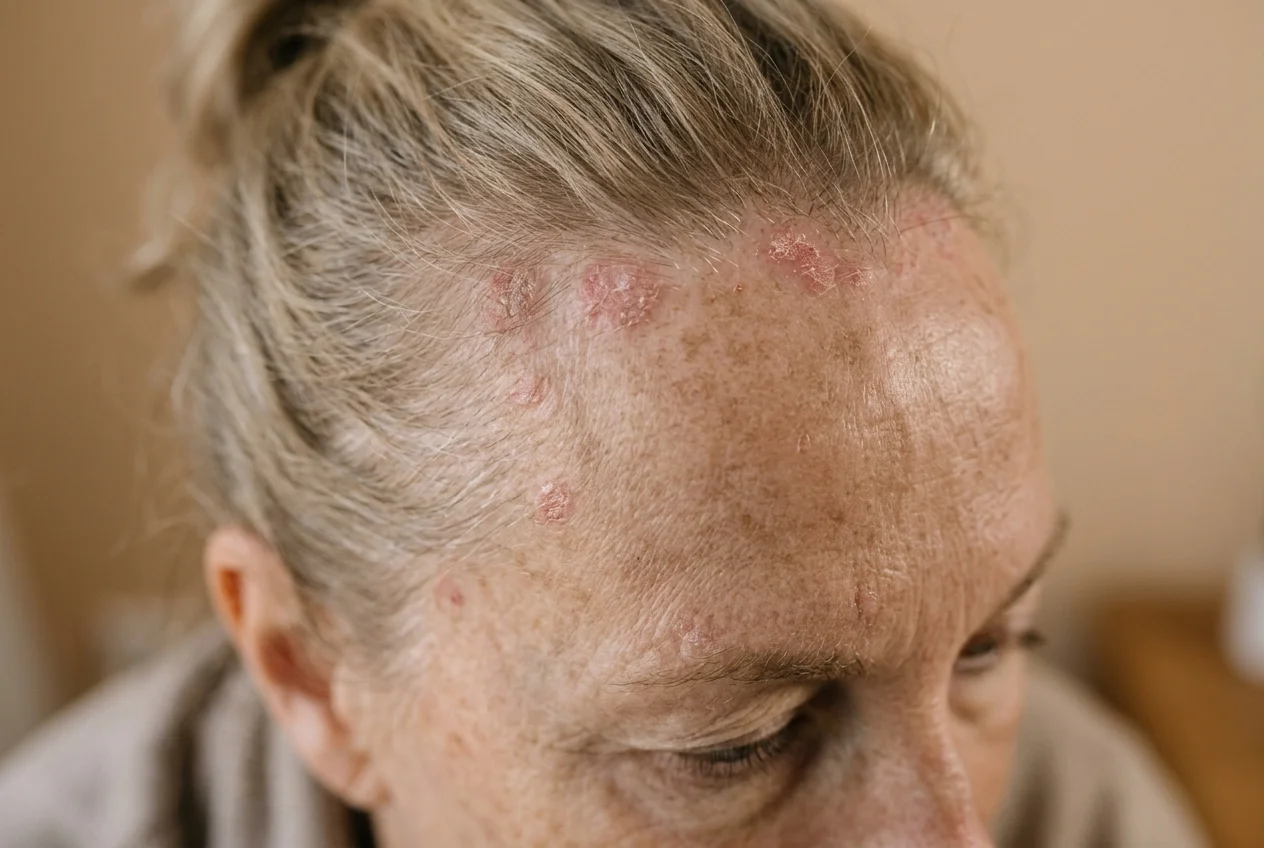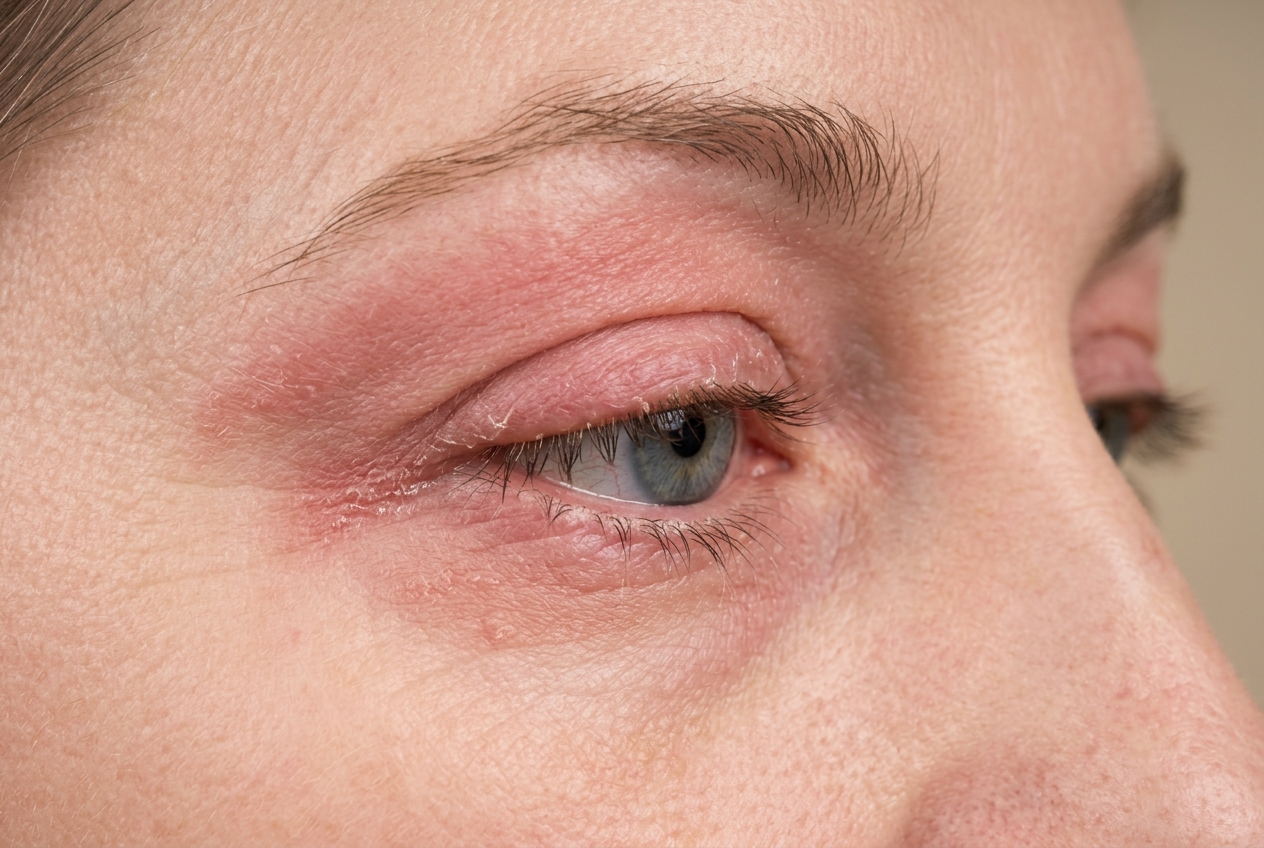
Contact dermatitis is an inflammation of the skin caused by irritant substances or by an allergic reaction. Learn to recognise its symptoms, understand the diagnostic tests and prevent new flare-ups with the right care.
What is contact dermatitis?
Contact dermatitis is an inflammation of the skin that appears when it comes into contact with a substance that irritates it or towards which the body develops an allergic reaction.
It is a very common condition and can affect people of any age. The lesions usually appear only on the areas that have been in contact with the responsible product.
There are two main types:
- Irritant contact dermatitis, caused by the direct effect of substances that damage the skin, such as detergents, soaps or chemical products.
- Allergic contact dermatitis, produced by a reaction of the immune system to a specific substance, such as nickel, some perfumes or certain preservatives.
Contact dermatitis is not contagious.
Why does it appear?
The cause depends on the type of dermatitis.
Irritant dermatitis
It is the most common form. It appears when the skin loses its protective function after repeated or intense contact with irritant substances. Among the most common are:
- Soaps and detergents.
- Cleaning products.
- Hydroalcoholic gels.
- Solvents.
- Cement.
- Excess water.
- Repeated friction.
Allergic dermatitis
In this case, the body develops an allergy to a specific substance. Once the allergy appears, even small amounts can trigger a flare-up. The most common allergens include:
- Nickel (costume jewellery, watches, buckles).
- Perfumes.
- Cosmetic preservatives.
- Hair dyes.
- Rubbers and latex.
- Some plants.
- Certain medications applied to the skin.
People with atopic dermatitis have more vulnerable skin and are at greater risk of developing irritant dermatitis.
What are the symptoms?
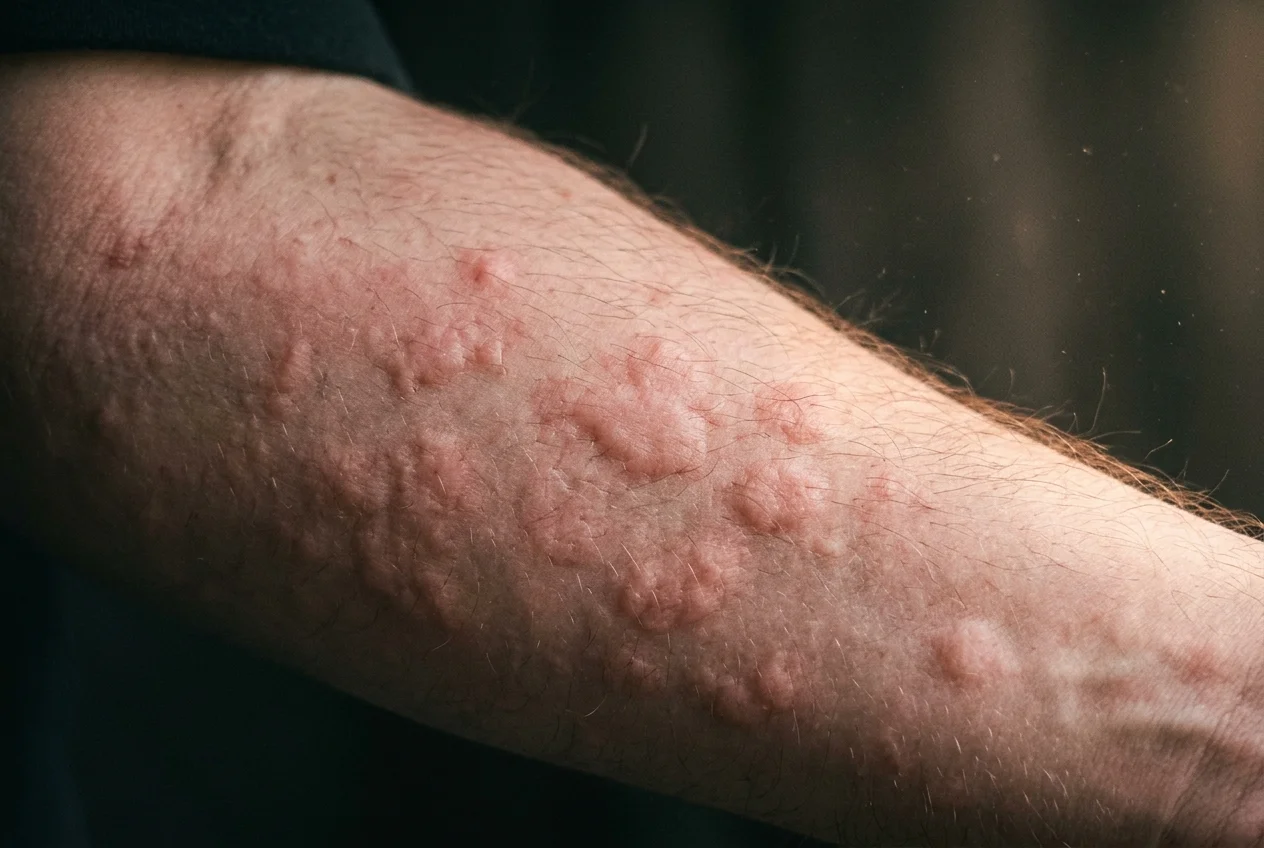
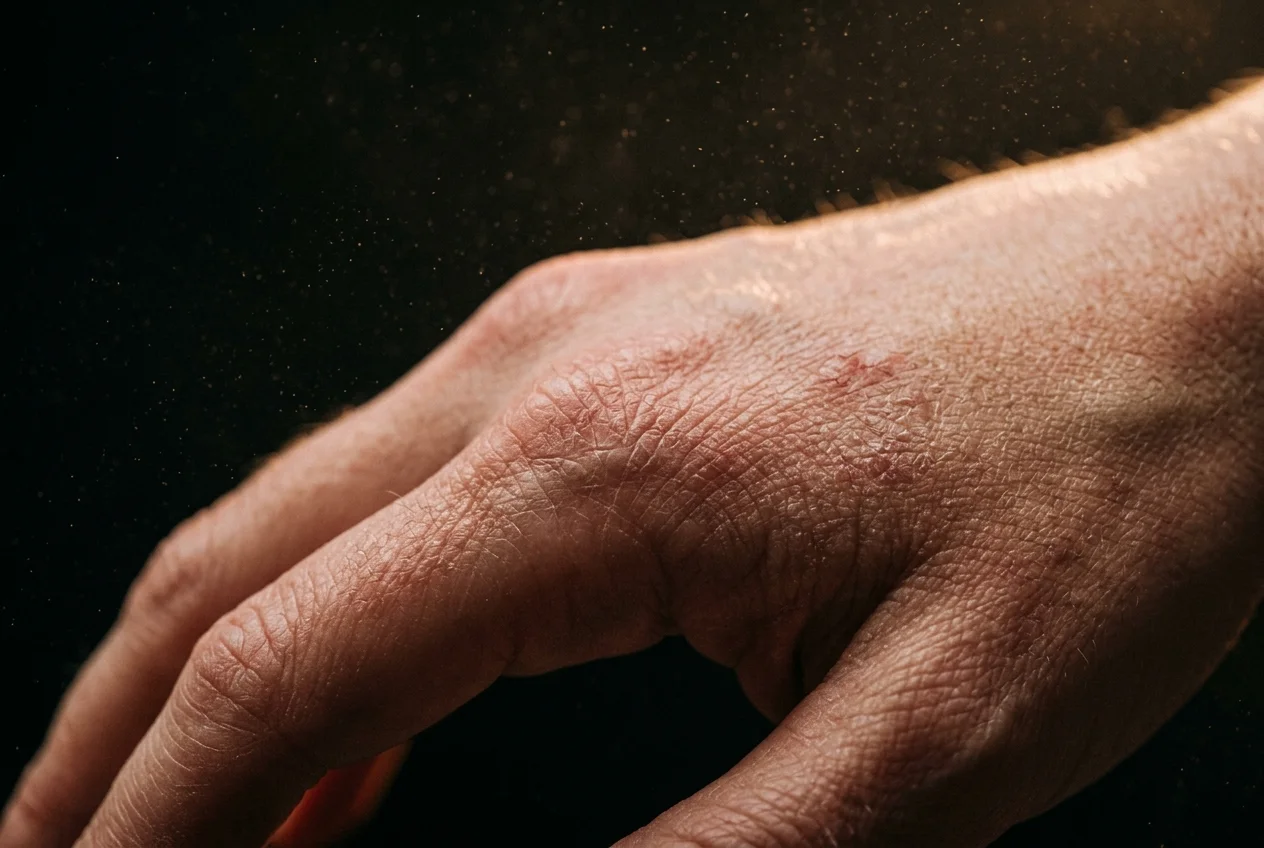
Symptoms can vary depending on the intensity of the reaction and the responsible substance. The most common are:
The hands are one of the most affected areas, especially in people who work with water, cleaning products or chemical substances.
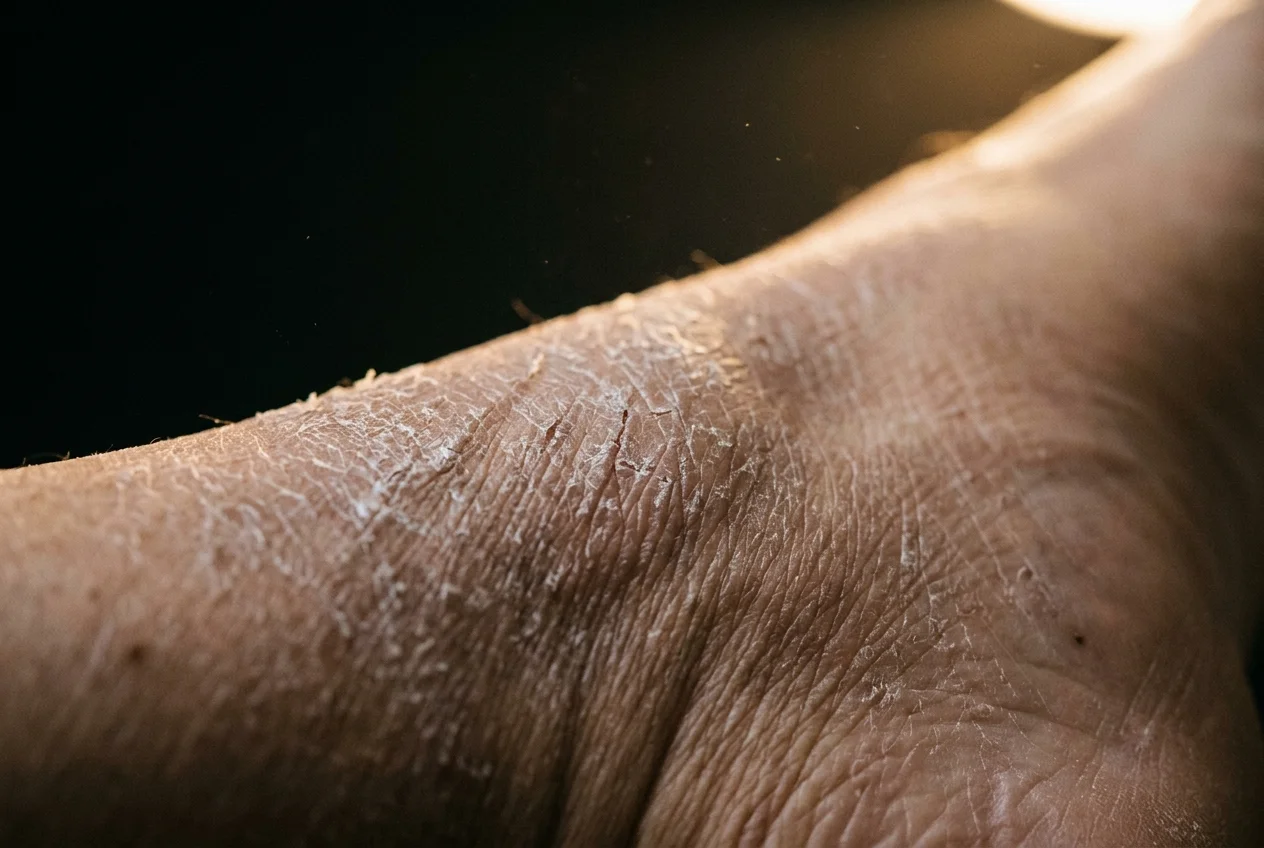
When contact continues, the dermatitis can become chronic and the skin can become thicker and cracked. Contact dermatitis is not passed from one person to another.
How is it diagnosed?
Diagnosis begins with a detailed medical history. The doctor will ask about:
- Work and profession.
- Products used at home.
- Cosmetics.
- Topical medications.
- Jewellery or accessories.
- When the lesions appear.
Examination of the skin usually guides the diagnosis.
If allergic dermatitis is suspected, it may be necessary to carry out patch tests. These tests make it possible to identify the substances responsible for the allergy by applying small amounts to the back for a few days.
They should not be confused with respiratory or food allergy tests, as they assess different mechanisms.
What treatments are available?
Treatment depends on the cause. The most important step is to identify and avoid the responsible substance.
In addition, the doctor may prescribe:
- Moisturising or skin-barrier repairing creams.
- Topical corticosteroids to control inflammation.
- Calcineurin inhibitors in certain locations.
- Antihistamines in some patients to relieve itching, although they do not treat the skin inflammation.
- Specific treatments if there is an associated infection.
In occupational dermatitis it may be necessary to temporarily adapt some work activities to aid recovery.
What can you do day to day?
Daily care is essential to prevent new flare-ups. It is recommended to:
- Avoid contact with the responsible substance whenever possible.
- Use suitable gloves when necessary (not all gloves protect against all products).
- Apply moisturiser several times a day, especially after washing the hands.
- Choose mild, fragrance-free soaps.
- Avoid very hot water.
- Dry the skin well without rubbing.
- Read the labels of cosmetics if an allergy has been identified.
When an allergy has been demonstrated by patch testing, knowing the alternative names of the allergen helps to avoid accidental exposures.
When should you seek prompt medical advice?
Seek medical assessment if:
- The dermatitis spreads rapidly.
- Very extensive blisters appear.
- There is intense pain.
- You notice pus, yellow crusts or signs of infection.
- The inflammation affects the face, the eyelids or the genitals.
- The lesions do not improve with the prescribed treatment.
- The dermatitis interferes with your work activity or your daily life.
Myths and facts
- Myth: All contact dermatitis is an allergy. Fact: No. Most cases are irritant dermatitis and do not involve an allergy.
- Myth: If I have used a product for years, I cannot become allergic. Fact: Yes, it can happen. Contact allergies can appear even after years of use.
- Myth: Blood allergy tests detect contact dermatitis. Fact: No. The most useful test is the patch test.
- Myth: When the lesions disappear I am cured. Fact: If you come into contact again with the responsible substance, the dermatitis can reappear.
- Myth: Moisturising creams only serve to hydrate. Fact: They also help to repair the skin barrier and reduce the risk of new flare-ups.
The key points to remember
- Contact dermatitis is an inflammation of the skin caused by irritant substances or by an allergy.
- It is not contagious.
- Identifying the cause is the most important part of treatment.
- Patch tests help to diagnose contact allergies.
- Avoiding contact with the responsible substance reduces relapses.
- Daily moisturising helps to repair the skin barrier.
- Treatments control inflammation, but do not eliminate the allergy.
- An early diagnosis improves quality of life and prevents the dermatitis from becoming chronic.
Frequently asked questions
Is contact dermatitis contagious?
No.
How can I know which product causes my dermatitis?
Sometimes the medical history is enough. If there are doubts, patch tests can help identify the allergen.
Can I keep using make-up?
Yes, as long as it does not contain the substance responsible for the allergy and is suitable for sensitive skin.
Can jewellery cause dermatitis?
Yes. Nickel is one of the most common causes of allergic dermatitis.
Should I stop washing my hands?
No. You should maintain good hygiene using mild products and moisturising the skin afterwards.
Can it appear at work?
Yes. It is one of the most common occupational skin diseases.
Will the dermatitis leave scars?
Usually not, although intense flare-ups or scratching can leave temporary changes in pigmentation.
Do gloves always protect?
No. They must be chosen according to the product being worked with.
Will I need allergy tests?
Only when the doctor suspects allergic dermatitis.
Can it come back?
Yes. As long as there is contact with the responsible substance, new flare-ups can occur.
Need personalised guidance?
This guide is for information only and does not replace a medical consultation. For an assessment tailored to your case, you may request a consultation.
Request a consultationTopics