Childhood atopic dermatitis
Chronic inflammatory skin disease very frequent in childhood
Childhood atopic dermatitis is a chronic inflammatory disease that causes dry skin, eczema and intense itching. Discover its causes, how to care for it daily and what the most effective treatments are to improve the child's quality of life.
What is childhood atopic dermatitis?
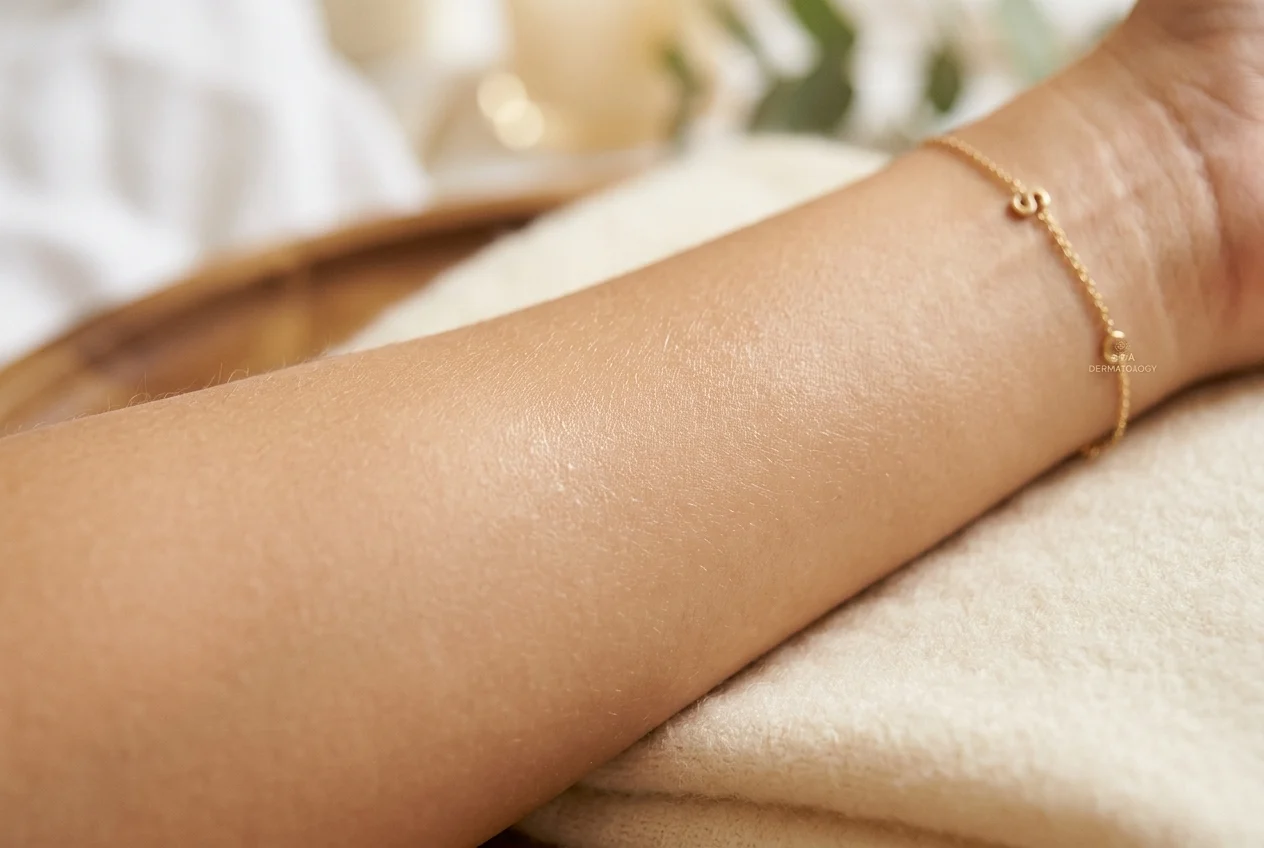
Childhood atopic dermatitis is a chronic inflammatory skin disease that causes dryness, intense itching and repeated flare-ups of eczema.
It is one of the most frequent skin conditions in childhood and usually begins during the first year of life. It is not contagious and it is not caused by a lack of hygiene.
Most children improve progressively with growth, although some continue to present flare-ups during adolescence or adulthood.
Why does it appear?
Atopic dermatitis is produced by the combination of several factors:
- Alteration of the protective barrier of the skin.
- Genetic predisposition.
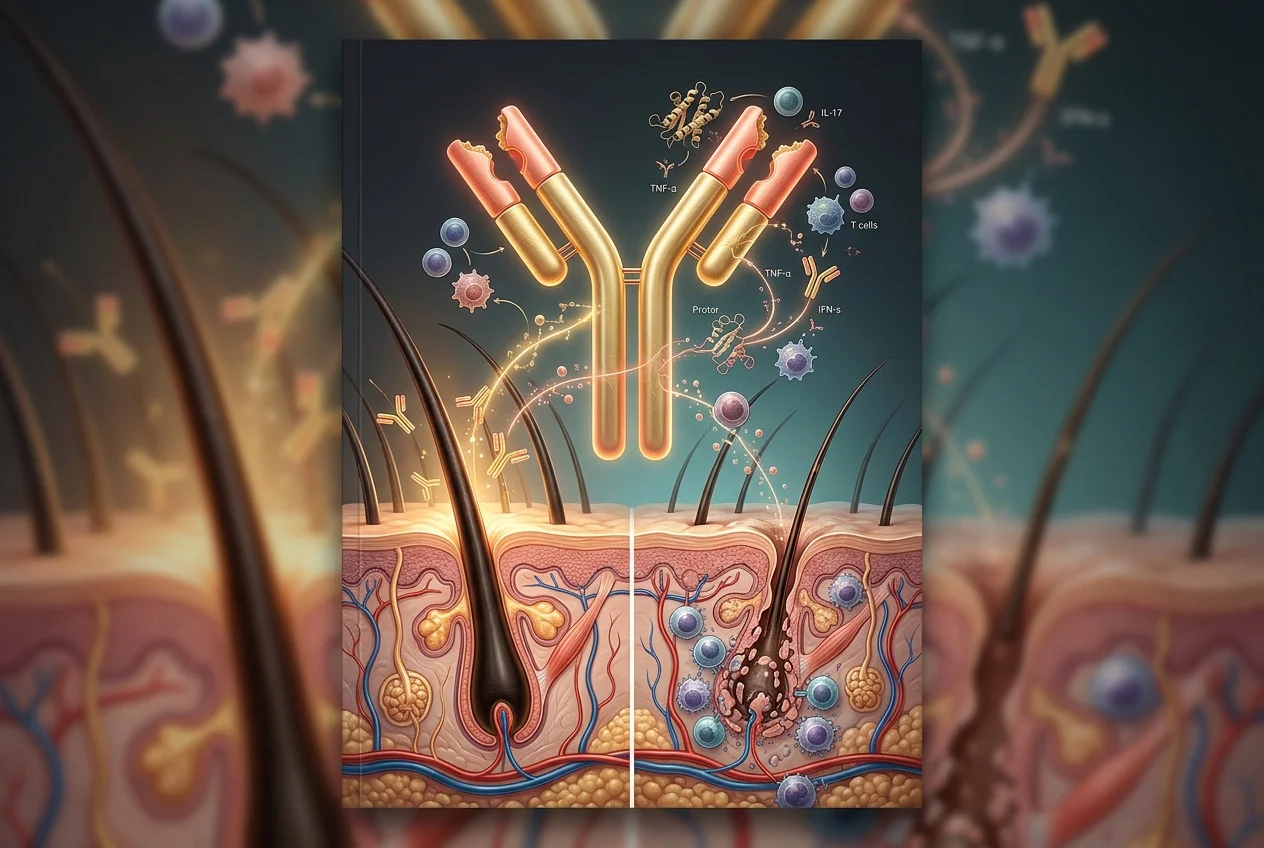
- Alterations of the immune system.
- Environmental factors.
Having a less effective skin barrier, the skin loses water easily and allows the entry of irritant substances and allergens, favouring inflammation.
There are factors that can trigger or worsen flare-ups: heat and sweat, intense cold, aggressive soaps, wool clothing or rough fabrics, stress, infections and very dry air.
Although some children present food allergies, atopic dermatitis is not usually caused by foods, so restrictive diets should not be followed without medical indication.
What are the symptoms?
The main symptoms are intense itching, very dry skin, redness, scaling and eczema plaques. The location varies according to age.
Infants. It frequently appears on the cheeks, the forehead, the scalp, the trunk and the extensor surfaces of the arms and legs. The nappy area is usually spared.
Older children. The lesions predominate in the folds of the elbows, behind the knees, the neck, the wrists and the ankles. In persistent cases, thickening of the skin (lichenification), fissures and crusts from scratching may appear.
How is the diagnosis made?
The diagnosis is clinical. The paediatrician or the doctor specialising in skin health will assess:
- The distribution of the lesions.
- The appearance of the eczema.
- The intensity of the itching.
- The personal and family history of atopy (asthma, allergic rhinitis or atopic dermatitis).
Complementary tests are not usually necessary. Allergy tests are only requested when there are data that really make an associated allergy suspicious.
What treatments exist?
The objective of the treatment is to control the flare-ups, relieve the itching and restore the skin barrier.
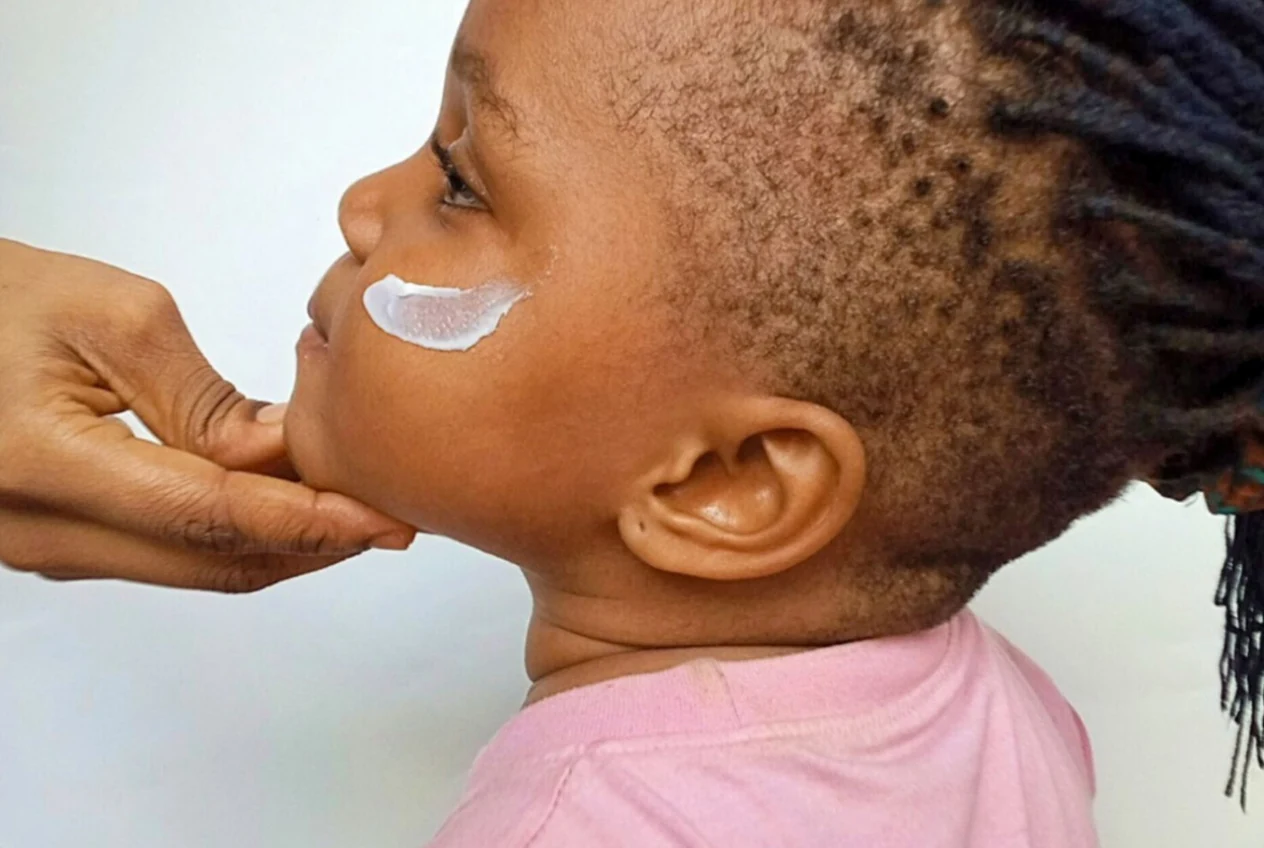
Daily moisturising. It is the basis of the treatment. It is recommended to apply emollient creams once or twice a day, to use products specific for atopic skin and to maintain moisturising even when there are no lesions.
Topical corticosteroids. During flare-ups, topical corticosteroids adapted to the age, location and severity are usually used. When used correctly and under medical supervision, they are safe and very effective treatments.
Calcineurin inhibitors. In certain sensitive areas or for maintenance treatments, tacrolimus and pimecrolimus can be used. These medications do not contain corticosteroids.
New treatments. In moderate or severe cases, more advanced treatments may be necessary, such as phototherapy (in selected children), systemic immunosuppressants, biologics such as dupilumab and JAK inhibitors in carefully selected patients and according to the approved indications.
Treatment of infections. When there is an associated bacterial or viral infection, it will be necessary to treat it specifically.
What can you do in your daily life?
Moisturise the skin every day, avoid very hot and prolonged baths, use mild soaps or bath oils, dry the skin with small touches without rubbing, apply the moisturising cream immediately after the bath, keep the nails short to reduce lesions from scratching, use cotton clothing and avoid rough fabrics, and maintain a pleasant room temperature avoiding excess heat.
When should you consult?
You should consult your paediatrician or a doctor specialising in skin health if the itching prevents the child from sleeping, if the flare-ups are very frequent, if the lesions do not improve with the usual treatment, if pus, yellowish crusts or fever appear, if the eczema affects a large body surface or if there are doubts about the diagnosis.
Myths and facts
- Myth: Atopic dermatitis is caused by poor hygiene. Fact: No. It is an inflammatory disease related to an alteration of the skin barrier and the immune system.
- Myth: Children with atopic dermatitis should not bathe. Fact: They can bathe. Short baths with warm water and mild products are recommended.
- Myth: Topical corticosteroids are dangerous. Fact: Used correctly and under medical supervision they are safe and constitute one of the most effective treatments.
- Myth: Many foods must be eliminated from the diet. Fact: Foods should only be removed when there is a demonstrated allergy.
- Myth: Atopic dermatitis is contagious. Fact: It cannot be transmitted to other people.
The essential points to remember
- Atopic dermatitis is a very frequent chronic inflammatory disease in childhood.
- It produces dry skin, eczema and intense itching.
- Daily moisturising constitutes the basis of the treatment.
- Topical corticosteroids are safe when used correctly.
- Restrictive diets should not be followed without a demonstrated food allergy.
- There are very effective treatments for moderate and severe cases.
- Good daily skin care reduces the frequency and intensity of the flare-ups.
Frequently asked questions
Does atopic dermatitis have a cure?
There is no definitive cure, but it can be controlled very well with appropriate treatment and daily care.
Will it disappear with age?
Many children improve notably during childhood or adolescence, although some continue to present flare-ups.
Can it affect sleep?
Yes. Nocturnal itching is one of the main causes of rest disturbance.
Is it hereditary?
There is an important genetic predisposition, although not all children of atopic parents will develop the disease.
Can I vaccinate my child?
Yes. Atopic dermatitis does not contraindicate the usual vaccination schedule.
Does the sun improve dermatitis?
In many children moderate sun exposure improves the symptoms, always using adequate photoprotection and avoiding burns.
Is the swimming pool prohibited?
No. After bathing it is advisable to shower to remove the chlorine and to apply a moisturising cream.
Can it become infected?
Yes. Scratching favours bacterial infections and, less frequently, viral infections such as eczema herpeticum.
Will it need treatment for many years?
It will depend on the evolution of each child. Many patients only need basic care and treatment during flare-ups.
Does it have a good prognosis?
Yes. With appropriate treatment, most children manage to control the disease very well and lead a completely normal life.
Need personalised guidance?
This guide is for information only and does not replace a medical consultation. For an assessment tailored to your case, you may request a consultation.
Request a consultationTopics