Urticaria is a common disease characterised by the appearance of hives and intense itching. Learn about its causes, when it requires urgent care and which treatments effectively control the symptoms.
What is urticaria?
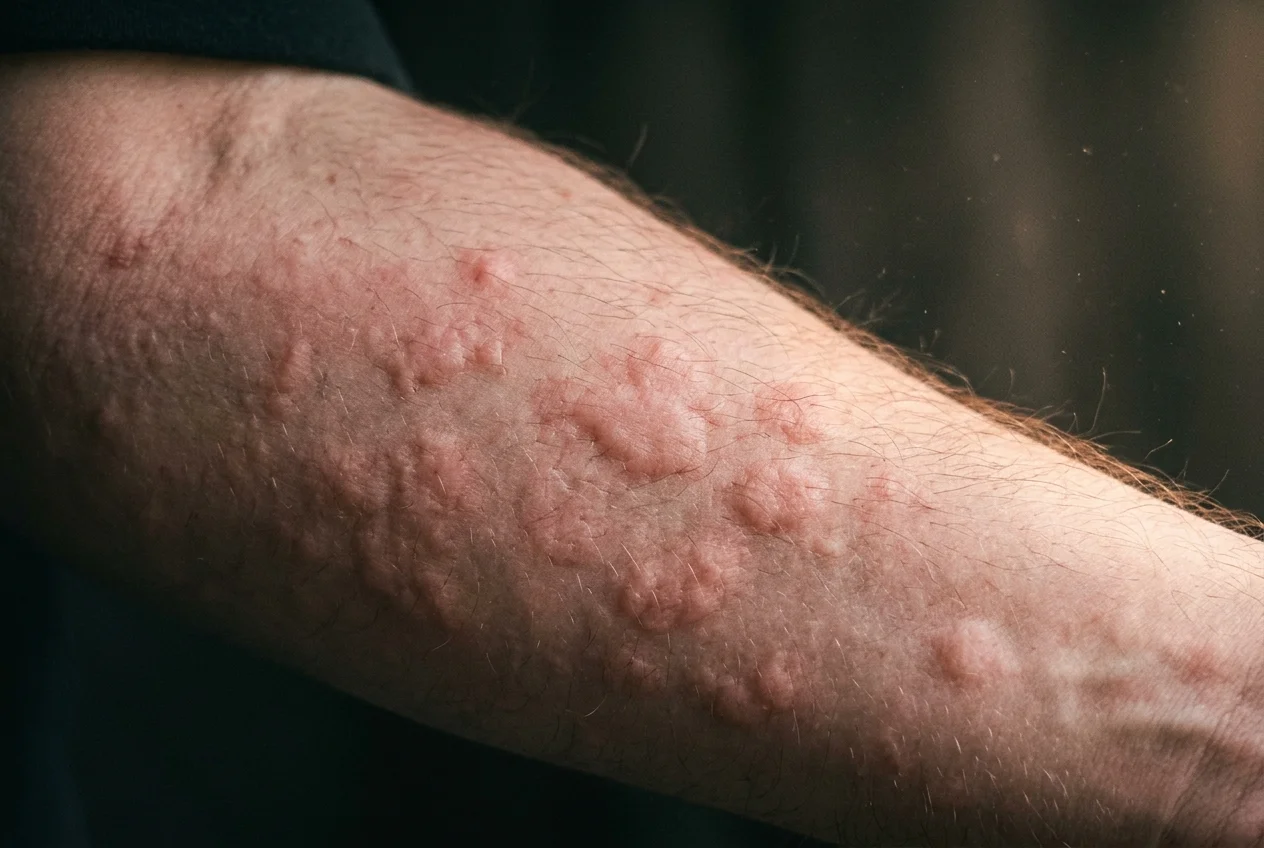
Urticaria is a skin disease characterised by the sudden appearance of weals or hives: raised lesions, pink or reddish in colour, that cause intense itching and change shape and location rapidly.
Each weal usually disappears in less than 24 hours without leaving a scar, although new ones can appear in different areas of the body.
Urticaria is very common. It is estimated that approximately one in five people will have at least one episode during their lifetime.
The disease is not contagious and, in most cases, is not serious.
Why does it appear?
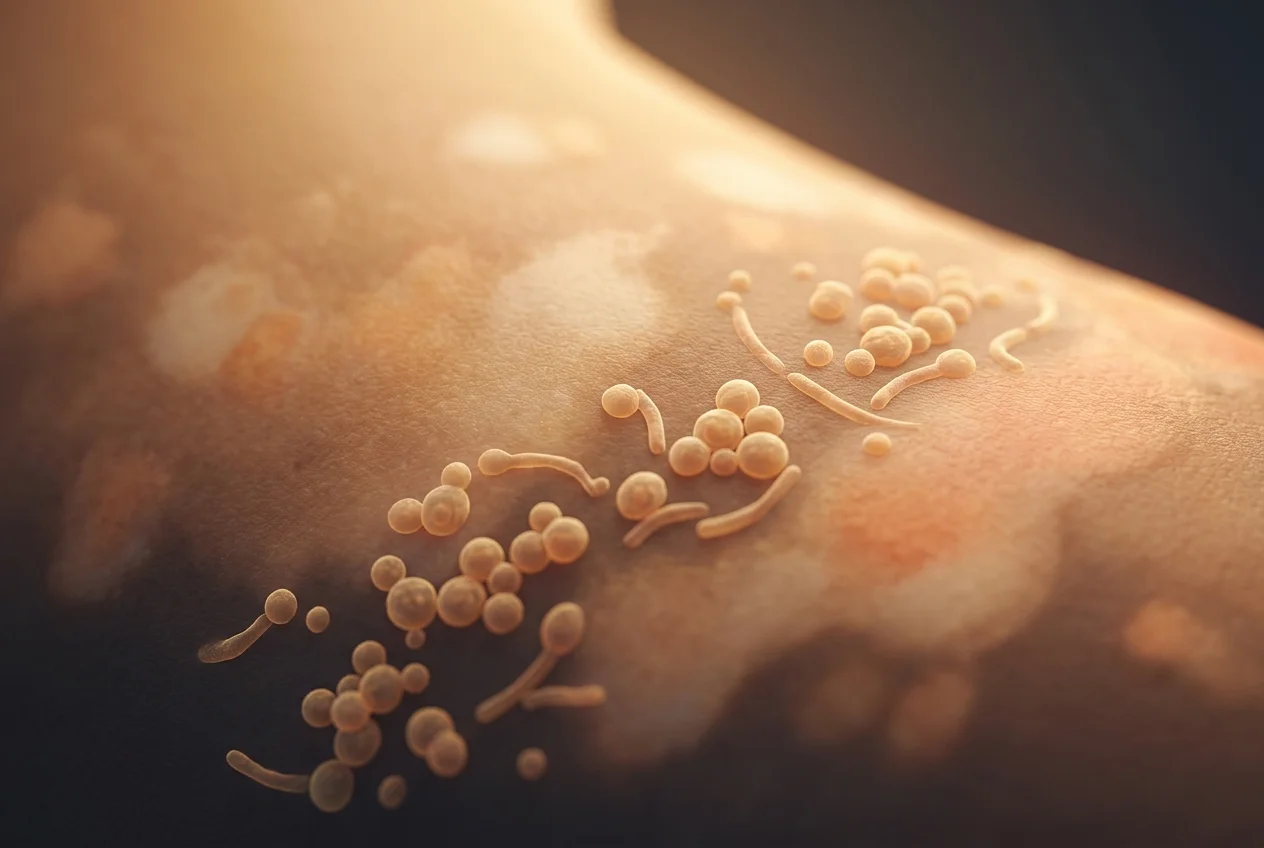
Urticaria occurs because certain skin cells, called mast cells, release inflammatory substances, mainly histamine. This release causes the appearance of hives, itching and, sometimes, swelling.
There are different types of urticaria.
Acute urticaria
It lasts less than six weeks and is usually related to:
- Infections, especially viral ones.
- Some medications.
- Certain foods, although they are a less frequent cause than is often thought.
- Insect bites.
Chronic urticaria
It persists for more than six weeks. In most patients no specific cause is identified. It is not usually due to a food allergy.
Some people have urticaria triggered by physical factors such as:
- Cold.
- Heat.
- Pressure on the skin.
- Exercise.
- Vibration.
- Sun exposure.
What are the symptoms?
The most common symptoms are:
- Raised hives.
- Intense itching.
- Lesions that appear and disappear rapidly.
- Continuous change in size and location.
In some patients angioedema also appears, a deeper swelling that mainly affects:
- The lips.
- The eyelids.
- The tongue.
- The hands.
- The feet.
- The genitals.
Angioedema can produce a feeling of tension or pain rather than itching. Urticaria is not contagious.
How is it diagnosed?
Diagnosis is usually made through the medical history and physical examination. The doctor will assess:
- When the lesions began.
- How long they last.
- Whether they disappear completely.
- Possible triggers.
- Recent medications.
- Infections.
- Personal history.
In most cases neither allergy tests nor blood tests are necessary. They are only requested when the medical history raises suspicion of a specific cause.
What treatments are available?
Treatment depends on the type of urticaria and its duration. The most common options include:
- Antihistamines, which are the first-line treatment.
- Dose adjustment when symptoms are not fully controlled.
- Oral corticosteroids for very short periods in specific situations.
- Biologic treatments, such as omalizumab, in some cases of chronic urticaria that does not respond to the usual treatments.
- Other specialised treatments in rare situations.
Whenever possible, it is also important to avoid the triggering factor when it has been identified.
What can you do day to day?
Some measures can help reduce flare-ups:
- Avoid scratching.
- Wear comfortable, loose-fitting clothing.
- Shower with lukewarm water.
- Avoid very high temperatures if they worsen the symptoms.
- Use mild products for hygiene.
- Keep the skin moisturised.
- Follow the treatment prescribed by the doctor correctly.
If you have identified a specific trigger, try to avoid it whenever possible. Do not remove foods from your diet without a clear medical indication.
When should you seek prompt medical advice?
You should seek urgent care if you have:
- Difficulty breathing.
- Significant swelling of the tongue or throat.
- Difficulty swallowing.
- Intense dizziness or loss of consciousness.
- Hives accompanied by a severe allergic reaction.
You should also consult if:
- The urticaria lasts more than six weeks.
- The flare-ups are very frequent.
- The treatment stops being effective.
- Angioedema appears repeatedly.
Myths and facts
- Myth: All urticaria is an allergy. Fact: No. Most urticaria, especially chronic, is not caused by an allergy.
- Myth: Allergy tests should always be done. Fact: No. They are only indicated when the medical history raises suspicion of a specific cause.
- Myth: Urticaria is contagious. Fact: It cannot be passed on to other people.
- Myth: If the hives disappear, the disease is over. Fact: In some people new flare-ups can appear over weeks or months.
- Myth: Many foods must be removed from the diet. Fact: Restrictive diets are usually not necessary and can be harmful if unjustified.
The key points to remember
- Urticaria causes hives that appear and disappear rapidly.
- It is not contagious.
- Most chronic urticaria is not caused by an allergy.
- Antihistamines are the main treatment.
- Allergy tests are usually not necessary.
- Difficulty breathing or throat swelling requires urgent care.
- In many patients the disease can be very well controlled.
- Appropriate follow-up makes it possible to adjust the treatment when necessary.
Frequently asked questions
Is urticaria dangerous?
Most cases are not, although a reaction with difficulty breathing requires urgent medical care.
Is it an allergy?
Not always. In fact, most chronic urticaria is not allergic.
Can it last for months?
Yes. When it persists for more than six weeks it is considered chronic urticaria.
Does stress have an influence?
Yes. It can promote or worsen flare-ups in some people.
Can I do sport?
Yes, unless exercise is an identified trigger.
Do the hives leave marks?
No. They usually disappear without leaving scars.
Will I need allergy tests?
Only in selected cases.
Can it come back?
Yes. Some people have repeated episodes.
Is angioedema the same as urticaria?
Not exactly. It is a deeper swelling that can accompany urticaria.
Is there a treatment?
Yes. There are currently very effective treatments to control both acute and chronic urticaria.
Need personalised guidance?
This guide is for information only and does not replace a medical consultation. For an assessment tailored to your case, you may request a consultation.
Request a consultationTopics