Pruritus or itching is a very common symptom that can be due to skin diseases or internal problems. Learn about its causes, how it is diagnosed and which are the most effective treatments.
What is pruritus?
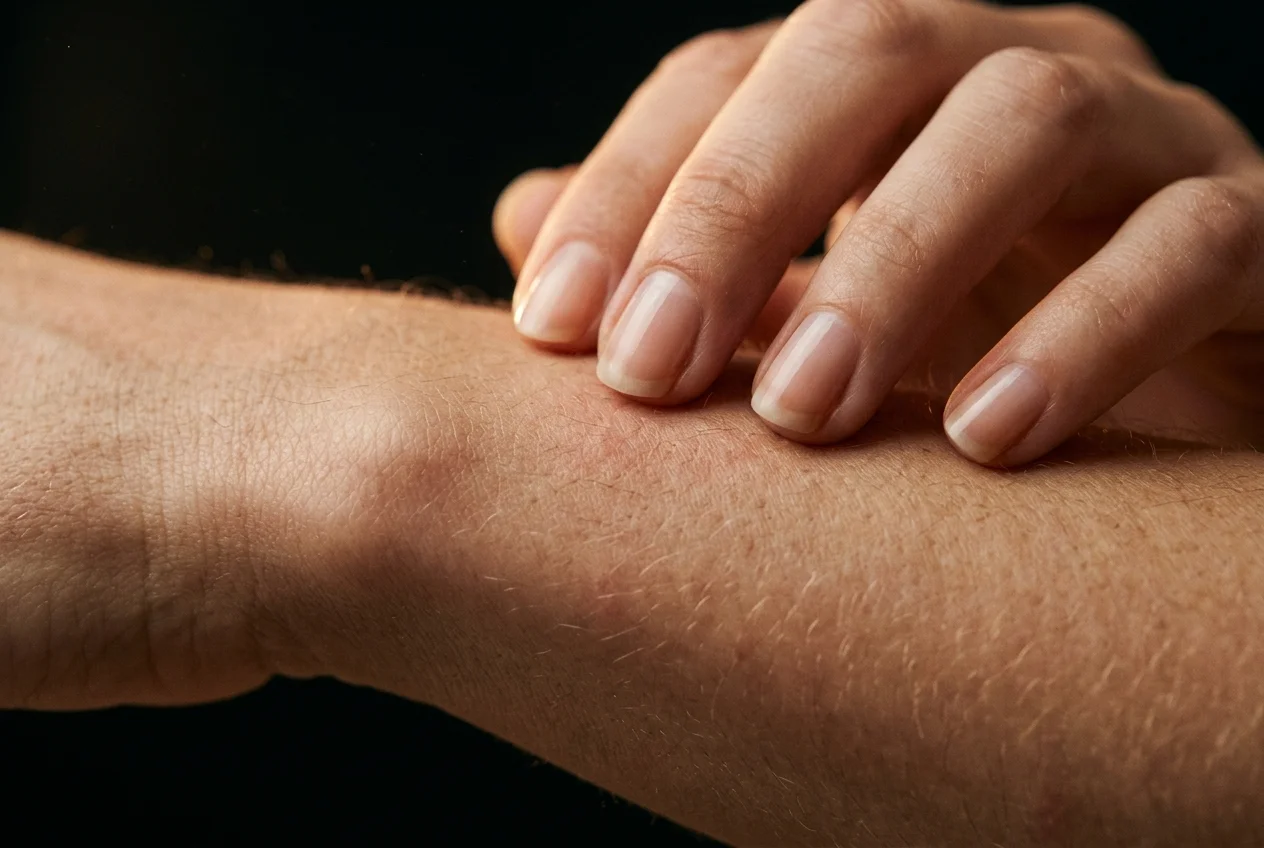
Pruritus is the medical term we use to describe the sensation of itching that causes the need to scratch.
Although many people consider it an unimportant symptom, pruritus can seriously affect quality of life. It can disrupt sleep, decrease concentration, cause anxiety and even favour the appearance of wounds and infections from continuous scratching.
Itching is not a disease in itself, but a symptom that can have many different causes. Some are skin-related and others are related to internal diseases.
Therefore, when pruritus persists or appears without an obvious cause, it is important to identify its origin.
Why does it appear?
This is undoubtedly the question patients ask most. The answer is that itching is an alarm signal that the skin or the body sends to the brain. There are numerous causes.
Skin diseases
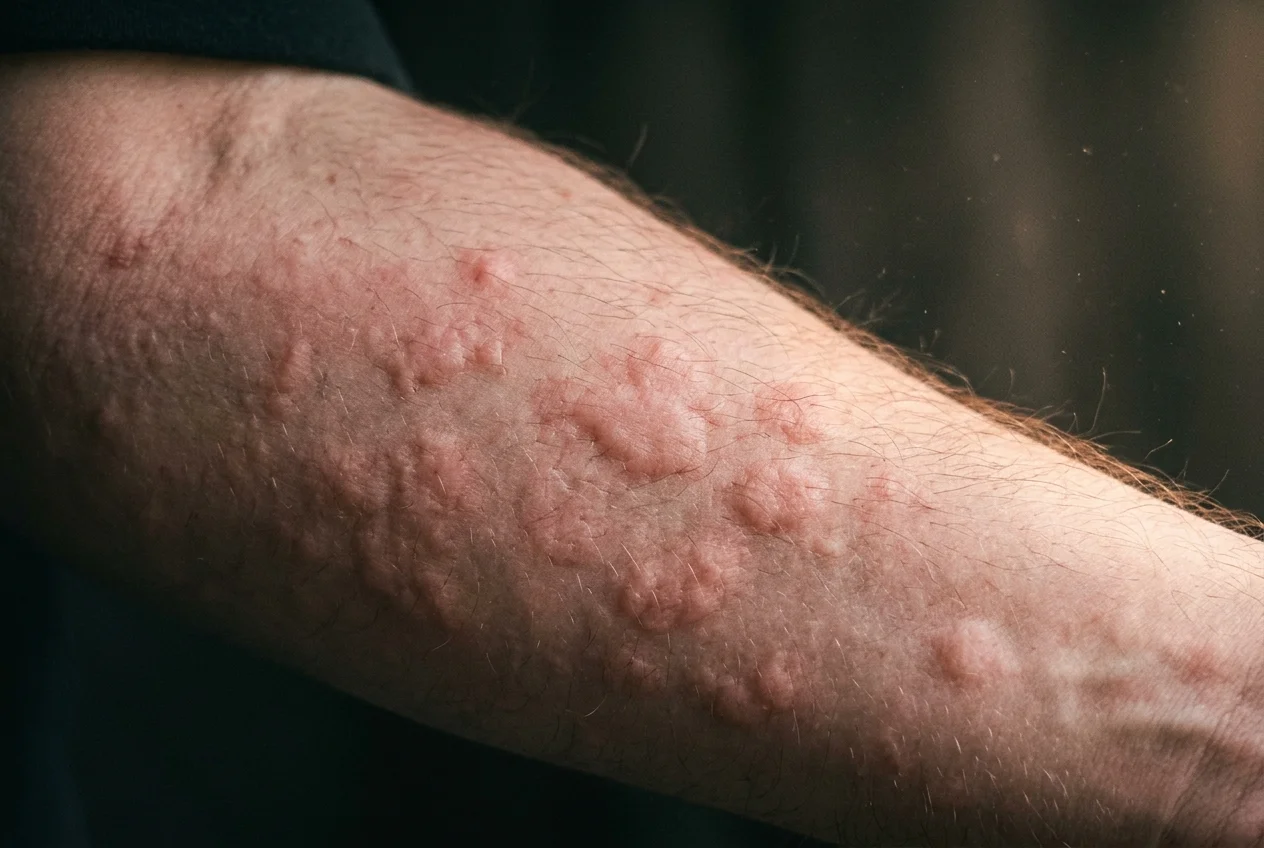
These are the most common. Among them are atopic dermatitis, contact dermatitis, urticaria, psoriasis, xerosis (dry skin), scabies or insect bites.
Dry skin
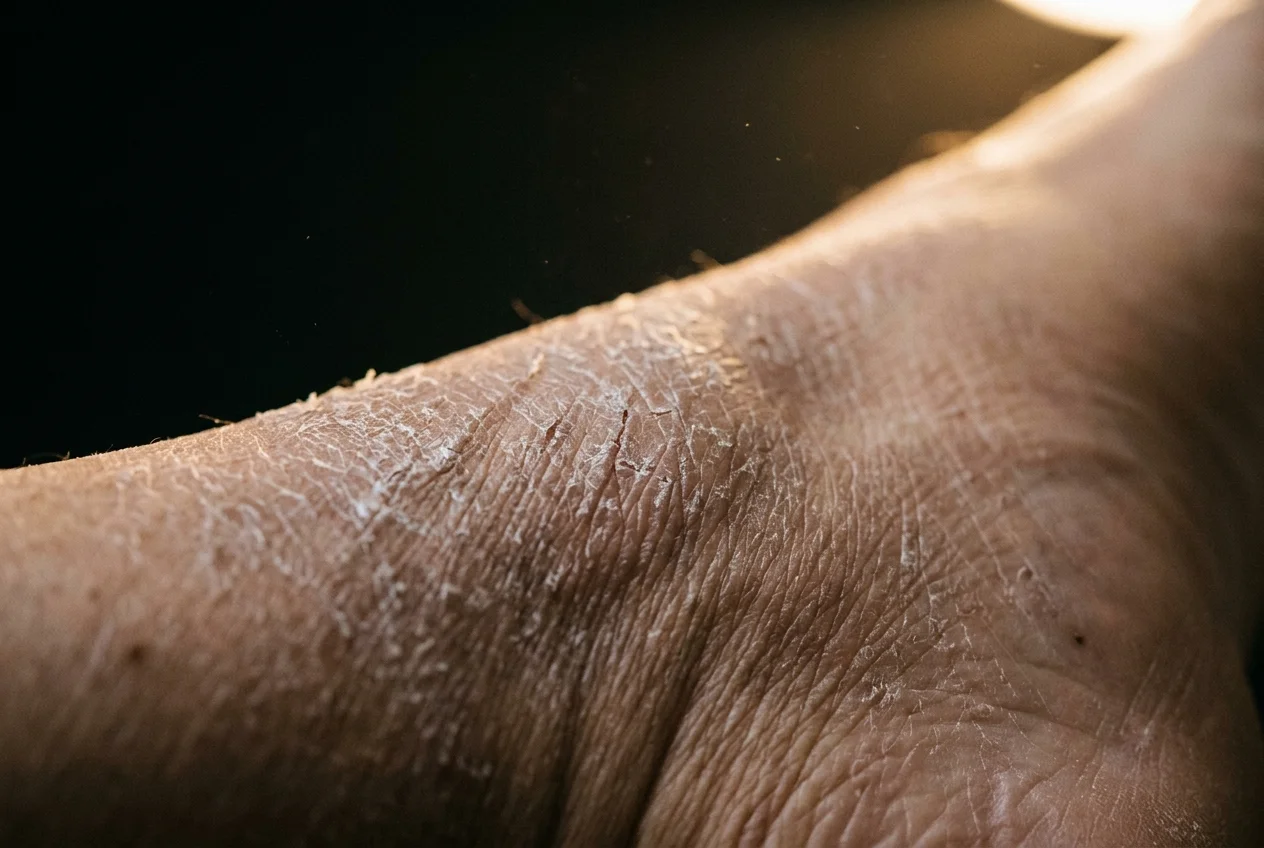
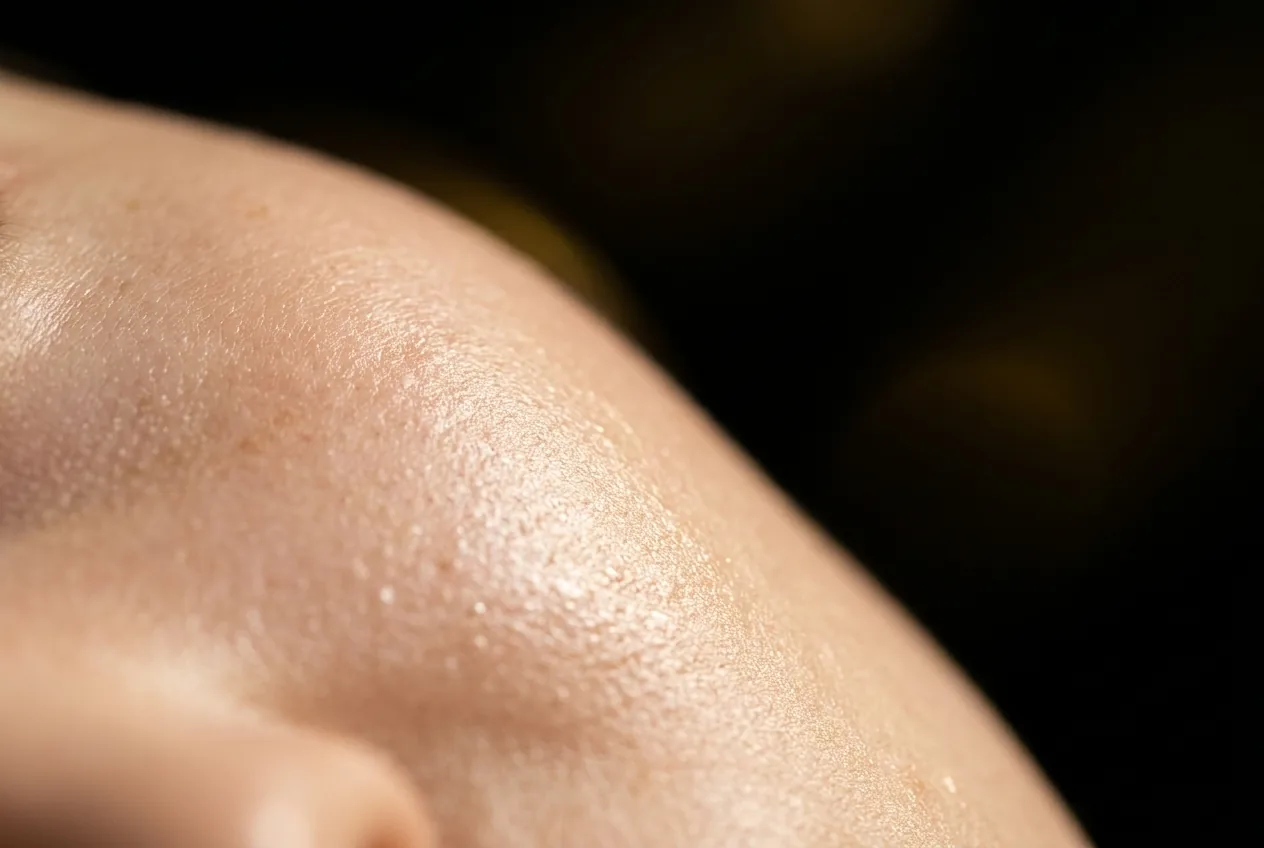
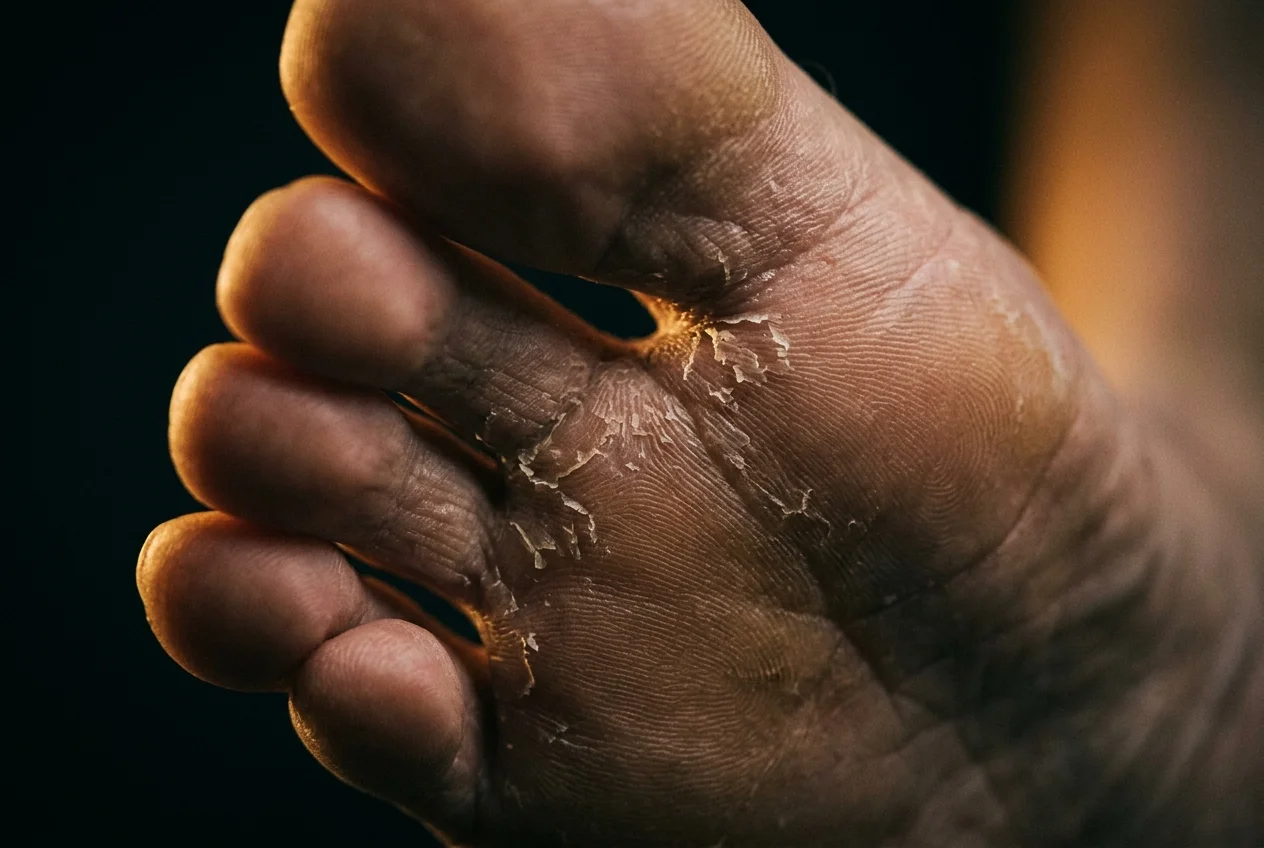
Especially in older people, alteration of the skin barrier favours the appearance of itching, even without visible lesions.
Internal diseases
Sometimes itching can be the first manifestation of a general disease, such as liver diseases, kidney failure, thyroid gland disorders, diabetes, iron deficiency or some blood disorders.
Medications
Certain treatments can cause itching as a side effect.
Pregnancy
Some women develop pruritus during pregnancy, which sometimes requires specific assessment.
Why do I itch if I have nothing on my skin? Because some diseases cause itching before visible lesions appear, or even without directly affecting the skin. For this reason, persistent pruritus should never be ignored.
Why does scratching make the problem worse? Because scratching produces a skin lesion that increases inflammation and stimulates again the nerve endings responsible for itching. A vicious circle is thus created: itching → scratching → more inflammation → more itching. Breaking this circle is one of the main objectives of treatment.
What are the symptoms?
The main symptom is the sensation of itching. It can be:
- Localised or generalised.
- Continuous or intermittent.
- Mild or very intense.
- More intense at night.
In some patients the following also appear:
- Redness.
- Excoriations from scratching.
- Crusts.
- Thickening of the skin when itching is chronic.
- Sleep disturbances.
Sometimes the patient only has marks produced by scratching, without an obvious initial skin lesion.
How is it diagnosed?
Diagnosis begins with a detailed medical history. The doctor will assess:
- When the itching began.
- Where it appears.
- Whether there are lesions on the skin.
- What medications you take.
- Whether there are previous diseases.
- Whether other people in your environment have similar symptoms.
Depending on the case, blood tests, a study of liver or kidney function, allergy tests, dermatoscopy or a skin biopsy (in rare cases) may be necessary.
The aim is not only to treat the itching, but to find the cause that produces it.
What treatments are available?
One of the most frequent questions is: what can I do to stop scratching? The answer depends entirely on the cause of the pruritus. Treatment may include:
Skin moisturising
It is essential when there is dry skin.
Topical corticosteroids
They are used when the itching is caused by inflammatory diseases such as eczema.
Antihistamines
They are especially useful in diseases such as urticaria, although they do not relieve all types of pruritus.
Specific treatments
When the itching is due to an internal disease, it will be necessary to treat that disease.
New treatments
In recent years very effective medications have appeared for certain types of chronic pruritus, especially when it is associated with inflammatory skin diseases.
Why do some treatments not work? Because not all itching has the same cause. For example, an antihistamine can be very effective for urticaria, but barely improve itching caused by kidney failure or very dry skin. That is why it is so important to establish a correct diagnosis.
What can you do day to day?
Some measures help reduce itching:
- Moisturise the skin every day.
- Shower with lukewarm water.
- Avoid very hot water.
- Use mild cleansers.
- Keep nails short.
- Avoid scratching whenever possible.
- Wear cotton clothing.
- Avoid irritating fabrics such as wool if they increase the itching.
- Sleep in a cool environment.
In many people, a good skincare routine significantly reduces the symptoms.
When should you seek prompt medical advice?
Seek medical assessment if:
- The itching lasts more than two or three weeks without an obvious cause.
- It is very intense and prevents you from sleeping.
- It appears all over the body without visible lesions.
- It is accompanied by weight loss, fever or significant tiredness.
- You notice a yellow colour in the skin or eyes.
- Scratching causes wounds or signs of infection.
- The usual treatment does not produce improvement.
Myths and facts
- Myth: If I itch it is because I have an allergy. Fact: No. There are many different causes of pruritus and allergy is only one of them.
- Myth: Scratching helps me heal. Fact: The relief is temporary, but scratching increases inflammation and perpetuates the problem.
- Myth: If I don't see lesions, I don't have any disease. Fact: Some internal diseases cause itching without visible skin lesions.
- Myth: All itching is treated with antihistamines. Fact: Only some types of pruritus respond well to these medications.
- Myth: Dry skin cannot cause so much itching. Fact: Xerosis is one of the most common causes of pruritus, especially in older people.
The key points to remember
- Pruritus is a symptom, not a disease.
- It can be caused by skin diseases or by internal diseases.
- Dry skin is one of the most common causes.
- Scratching maintains a vicious circle that worsens the problem.
- Not all itching is treated with antihistamines.
- Identifying the cause is essential to choose the right treatment.
- Persistent itching always deserves a medical assessment.
Frequently asked questions
Does itching always mean allergy?
No. It is only one of the many possible causes.
Why do I itch more at night?
At night some external stimuli decrease and the perception of itching increases. In addition, the skin temperature can rise slightly, favouring this sensation.
Does scratching worsen the disease?
Yes. It favours inflammation, wounds and infections.
Can stress cause itching?
Yes. Stress can trigger or worsen many types of pruritus.
Does dry skin cause itching?
Yes. It is one of the most common causes.
Will I need tests?
It depends on each case. When there is no obvious cause, they may be necessary to rule out internal diseases.
Which cream is best for itching?
It depends on the origin. In many cases, a good moisturising or emollient cream is the first step of treatment, but some diseases require specific treatments.
Is it normal to have itching during pregnancy?
It can appear, but you should always mention it to your doctor to rule out diseases specific to pregnancy.
Can pruritus be cured?
Yes, in many cases it disappears when the cause that produces it is treated correctly.
When should I see a doctor?
When the itching persists, recurs frequently, affects sleep or does not improve with the usual measures.
Need personalised guidance?
This guide is for information only and does not replace a medical consultation. For an assessment tailored to your case, you may request a consultation.
Request a consultationTopics