Keratosis pilaris is a benign condition that causes small bumps and a rough skin texture. Learn about its causes, the available treatments and the daily care to improve its appearance.
What is keratosis pilaris?
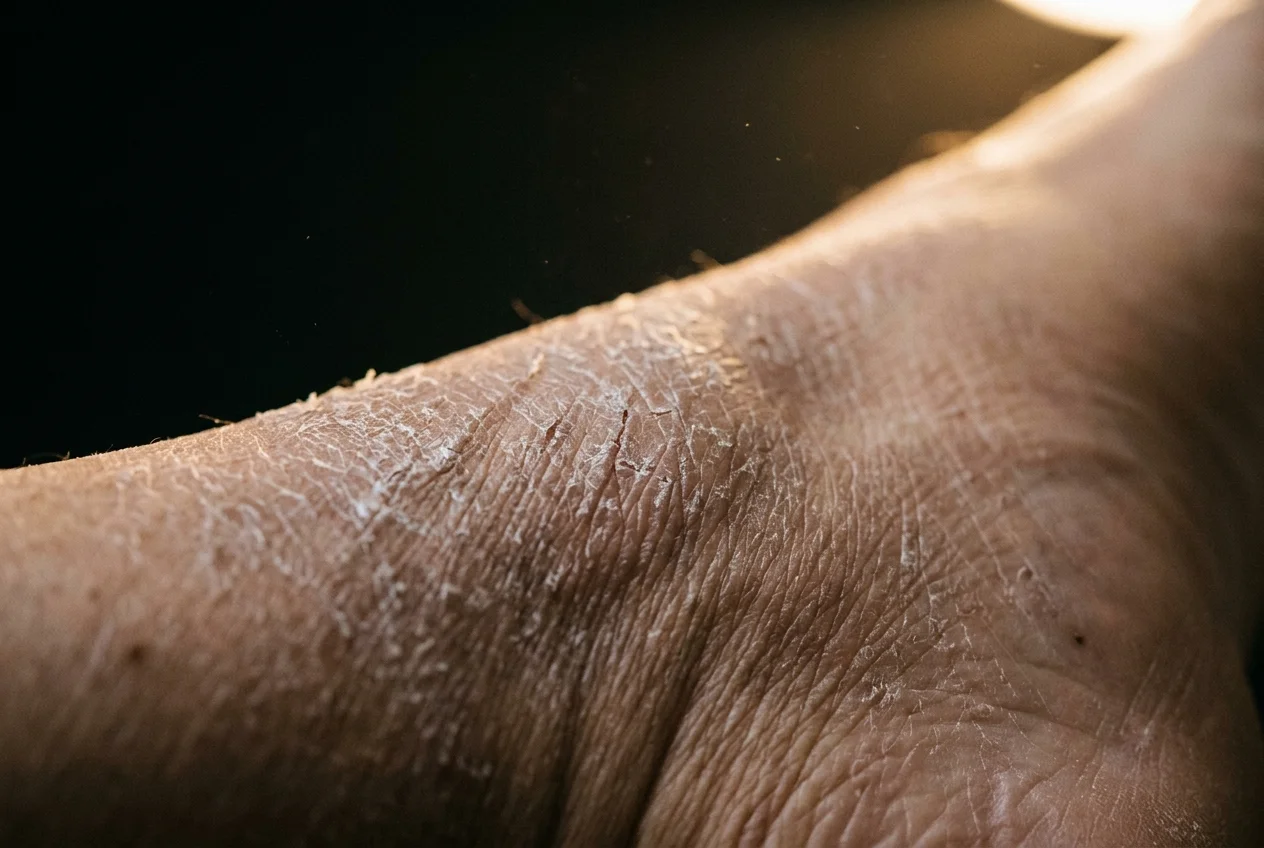
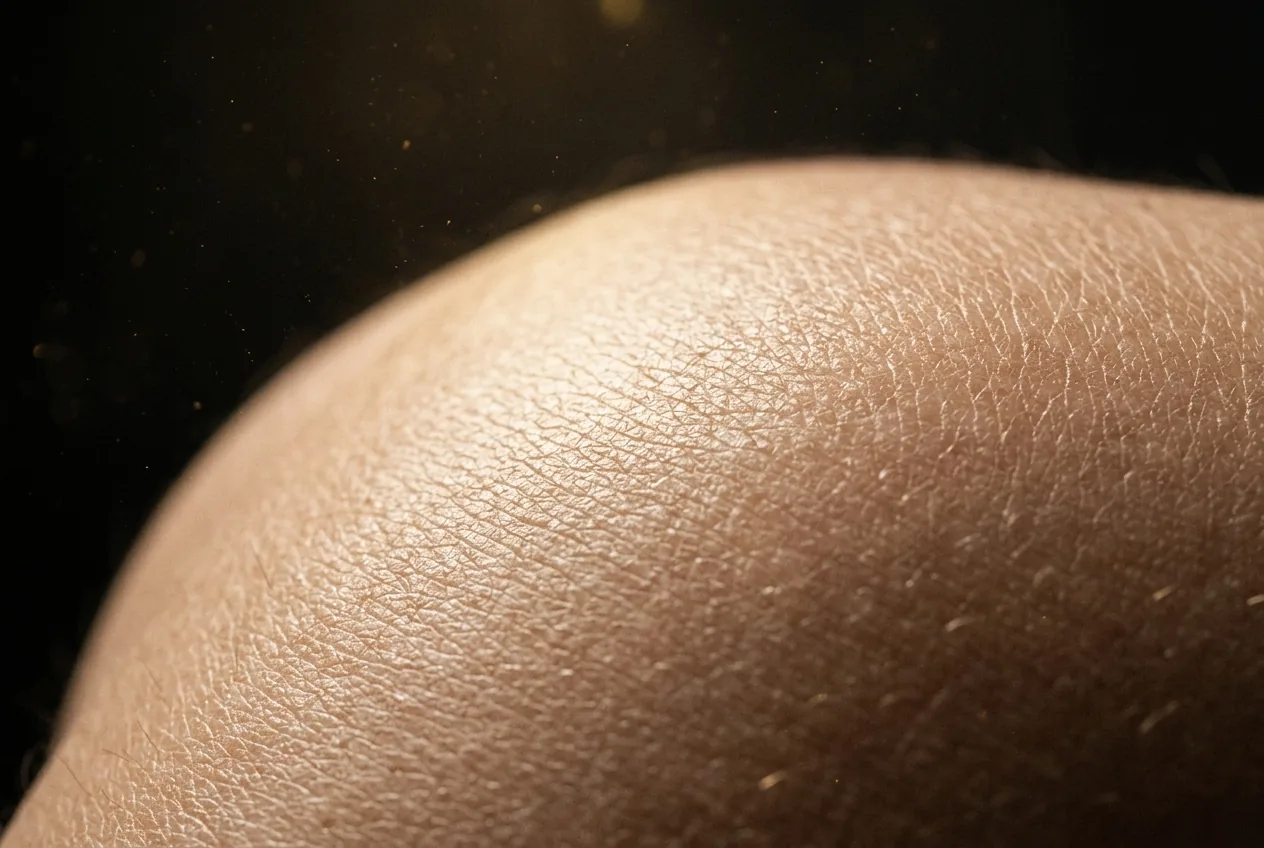
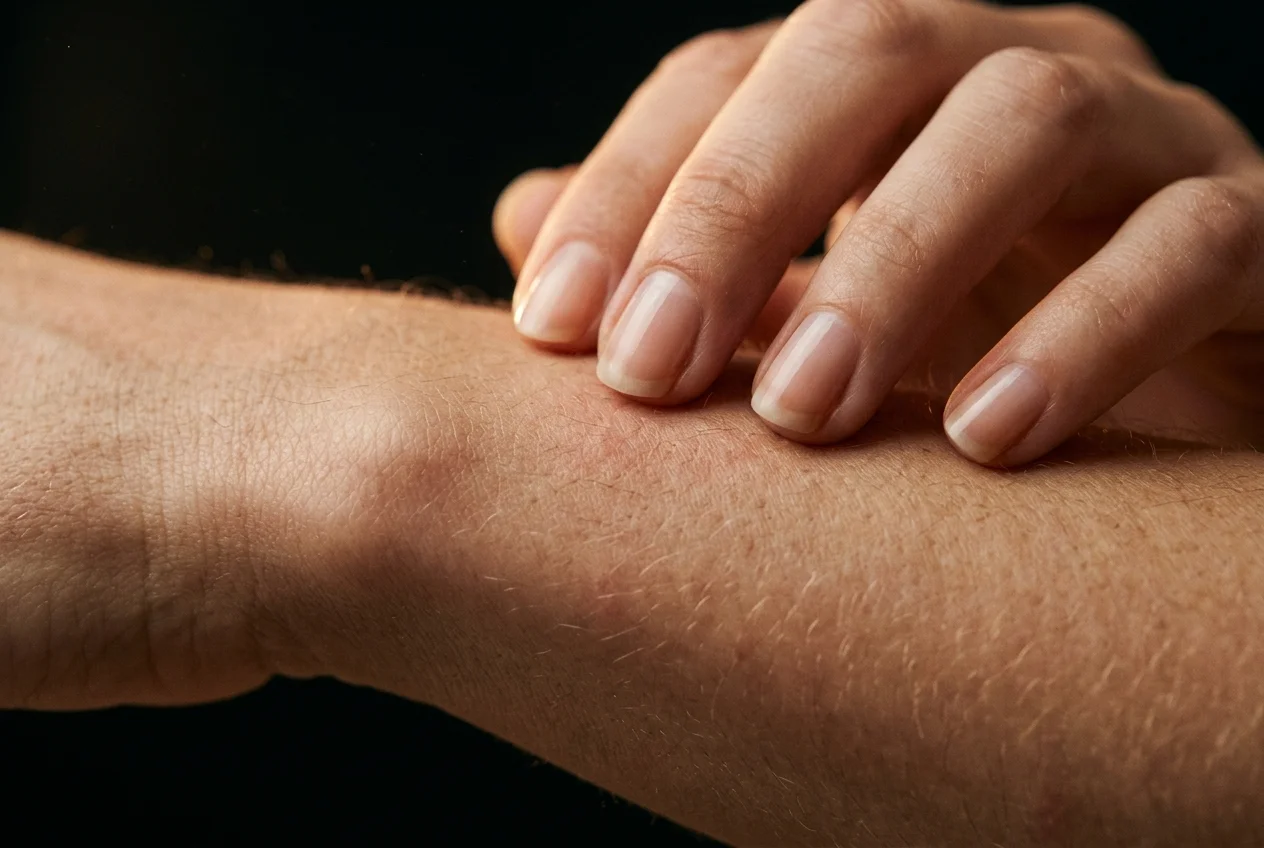
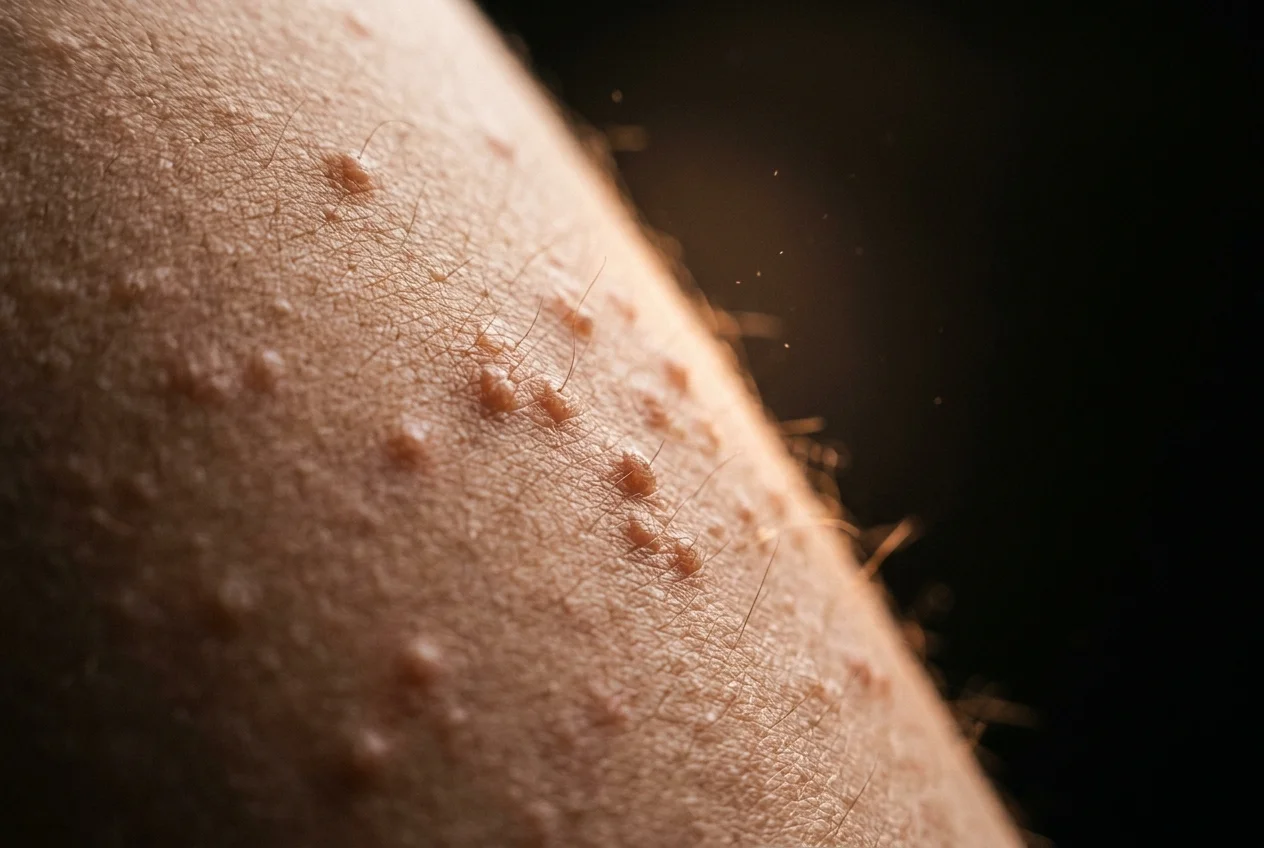
Keratosis pilaris is a very common and completely benign skin condition. It is characterised by the appearance of small rough bumps that give the skin an appearance popularly known as "chicken skin" or "goose bumps".
These small bumps appear because keratin, a natural skin protein, accumulates at the opening of the hair follicle and forms a small plug.
The condition usually begins during childhood or adolescence and can persist into adulthood. Many people improve spontaneously over the years.
Keratosis pilaris is not contagious, is not an infection and poses no health risk.
Why does it appear?
This is one of the most common questions in consultation. The answer is that it does not appear because of poor hygiene or because the skin is dirty.
It is produced by an alteration in the way the skin eliminates keratin. This protein accumulates around the hair follicles forming small plugs.
Several factors favour its appearance:
- Genetic predisposition.
- Dry skin.
- Atopic dermatitis.
- Cold, dry climates.
Why do some people have it and others not?
Because there is an individual and familial predisposition. It is common to find several members of the same family with this condition.
Why does it worsen in winter?
During the cold months the skin loses more water and dries out more easily, which favours the accumulation of keratin and makes the bumps more visible.
What are the symptoms?
Keratosis pilaris produces:
- Small rough bumps.
- A rough feel to the skin.
- Redness around some follicles.
- Dry skin.
The most common areas are:
- The outer surface of the arms.
- The thighs.
- The buttocks.
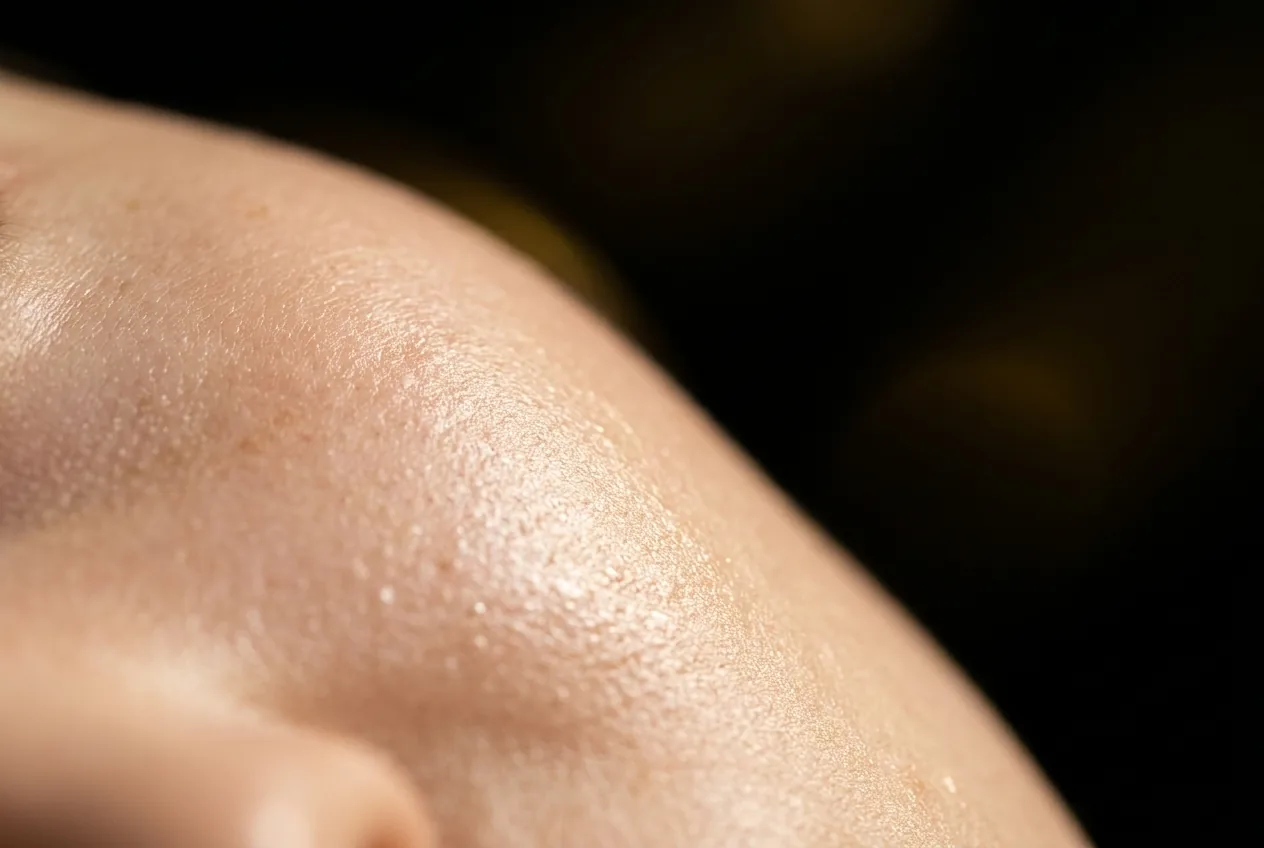
- The cheeks, especially in children.
It does not usually cause pain. Some people experience mild itching when the skin is very dry. The condition usually remains stable for years and improves progressively with age. It is not contagious.
How is it diagnosed?
The diagnosis is clinical.
The doctor usually recognises the condition simply by observing and examining the skin.
Complementary tests, blood tests or biopsies are usually not necessary.
What treatments are available?
One of the most frequent questions is: is there a treatment? Yes, although it is important to know that there is no treatment that eliminates it definitively. The aim is to improve the appearance and texture of the skin.
The most commonly used treatments include:
- Moisturising creams.
- Urea creams.
- Lactic acid.
- Salicylic acid.
- Glycolic acid.
- Topical retinoids in some selected cases.
When there is a lot of redness, the doctor may recommend other specific treatments.
Why should treatment be maintained?
Because keratosis pilaris tends to reappear when care is interrupted. The aim is to control the condition, not to cure it definitively.
What can you do day to day?
Daily care is the most important part of treatment. It is recommended to:
- Apply moisturiser every day.
- Use products with urea or mild acids if they have been recommended.
- Shower with lukewarm water.
- Avoid harsh soaps.
- Not scratch or try to pick off the bumps.
- Exfoliate the skin gently only if the doctor advises it.
- Maintain good skin hydration throughout the year.
Consistency is usually more important than using many different products.
When should you seek prompt medical advice?
Keratosis pilaris is not usually a medical emergency. However, it is advisable to consult if:
- The lesions change significantly in appearance.
- Pain, pus or signs of infection appear.
- There is intense itching.
- The diagnosis is unclear.
- The appearance of the skin causes significant concern.
Myths and facts
- Myth: Chicken skin appears because I don't shower enough. Fact: No. It has no relation to hygiene.
- Myth: It is a contagious disease. Fact: It cannot be passed on to other people.
- Myth: It will disappear if I exfoliate every day. Fact: Excessive exfoliation can irritate the skin and worsen the problem.
- Myth: It is an allergy. Fact: No. It is an alteration of the skin's keratinisation.
- Myth: There is no treatment. Fact: There are treatments that clearly improve the appearance and texture of the skin, although they require consistency.
The key points to remember
- Keratosis pilaris is a very common benign condition.
- It is not related to poor hygiene.
- It is not contagious.
- It is caused by an accumulation of keratin in the hair follicles.
- Daily moisturising is the most important treatment.
- There are creams that notably improve the texture of the skin.
- It usually worsens during winter.
- In many people it improves spontaneously with age.
Frequently asked questions
Is it a disease?
Yes, although it is a benign skin condition that poses no health risk.
Is it contagious?
No.
Does it go away with age?
In many people it improves progressively during adulthood.
Can it affect the face?
Yes. It is relatively common on children's cheeks.
Can I sunbathe?
Yes, always using appropriate sun protection.
Should I exfoliate the skin?
Only gently and following your doctor's recommendations.
Does diet have an influence?
There is currently no diet that has been shown to improve keratosis pilaris.
Can it be cured definitively?
There is no curative treatment, but there are very effective treatments to improve its appearance.
Do creams work?
Yes. Daily moisturising and keratolytic creams are the basis of treatment.
Is it dangerous?
No. It is a completely benign condition.
Need personalised guidance?
This guide is for information only and does not replace a medical consultation. For an assessment tailored to your case, you may request a consultation.
Request a consultation