Radiofrequency
Controlled heat to improve facial and body firmness
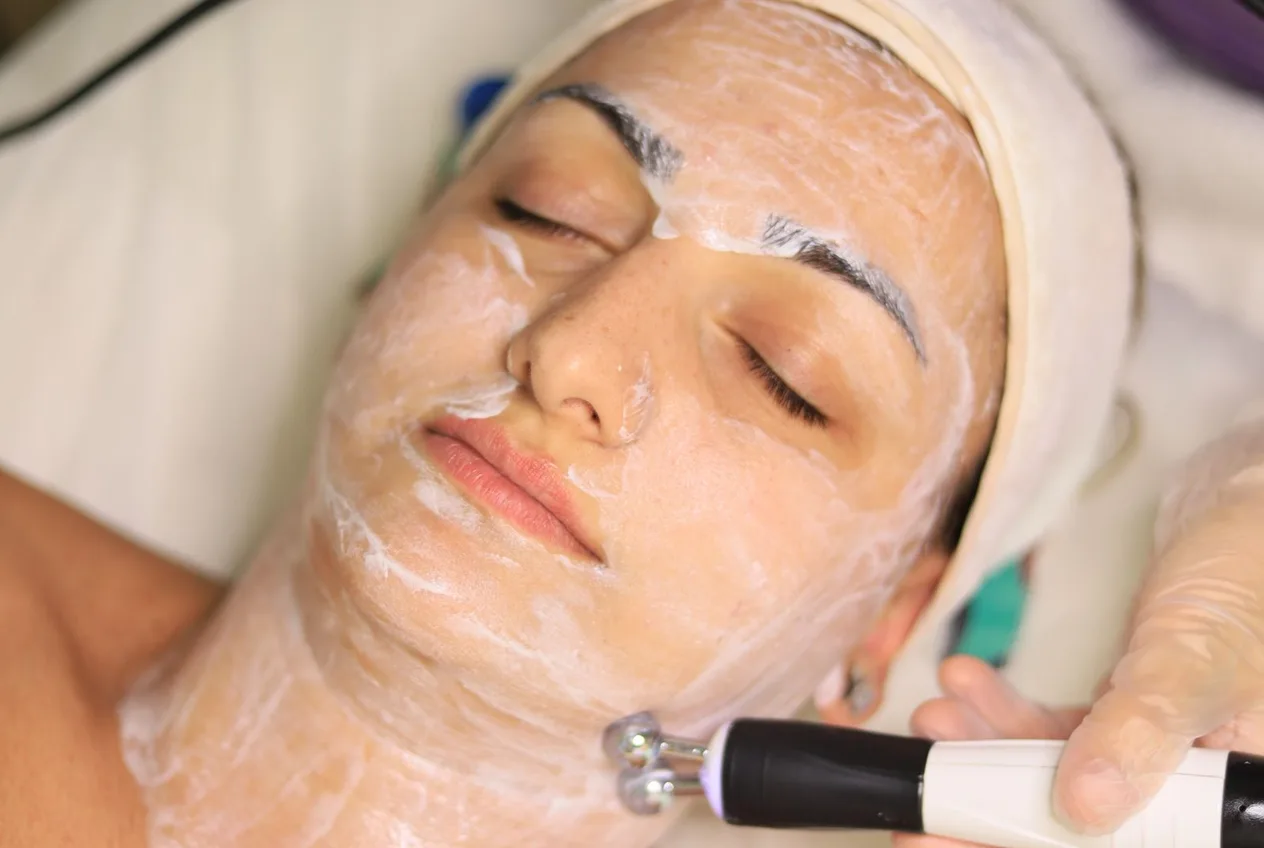
Radiofrequency is a medical treatment that stimulates collagen production through controlled heat to improve the firmness, elasticity and quality of the skin, both on the face and on the body.
What is radiofrequency?
Radiofrequency is a medical treatment that uses electromagnetic energy to heat the deep layers of the skin in a controlled way without damaging its surface.
This increase in temperature stimulates the natural repair mechanisms of the body, favouring the production of collagen and elastin, with the objective of improving the firmness and quality of the skin.
It is a treatment widely used both for facial rejuvenation and for certain body indications.
How does it act?
Radiofrequency generates a controlled heating in the dermis and the subcutaneous tissue. This stimulus favours:
- The production of new collagen.
- The reorganisation of the existing fibres.
- The formation of elastin.
- Better local circulation.
- The progressive improvement of skin firmness.
The results appear gradually as these biological processes develop.
What problems can it treat?
Radiofrequency can help to improve:
- Facial laxity.
- Body laxity.
- Skin ageing.
- Loss of firmness.
- Fine wrinkles.
- Decrease of elasticity.
- Overall quality of the skin.
Depending on the equipment used, it can also be part of protocols to improve other aesthetic alterations.
In which areas can it be applied?
It can be used in different areas of the body, among them:
- Face.
- Neck.
- Décolletage.
- Jaw contour.
- Abdomen.
- Arms.
- Thighs.
- Buttocks.
- Knees.
The indication will depend on the state of the tissues and the objectives of the patient.
Who can benefit?
It may be indicated in people who:
- Present mild or moderate laxity.
- Wish to prevent skin ageing.
- Seek to improve firmness without surgery.
- Want to complement other rejuvenation treatments.
The medical assessment will make it possible to determine whether it is the most appropriate treatment.
How is the treatment performed?
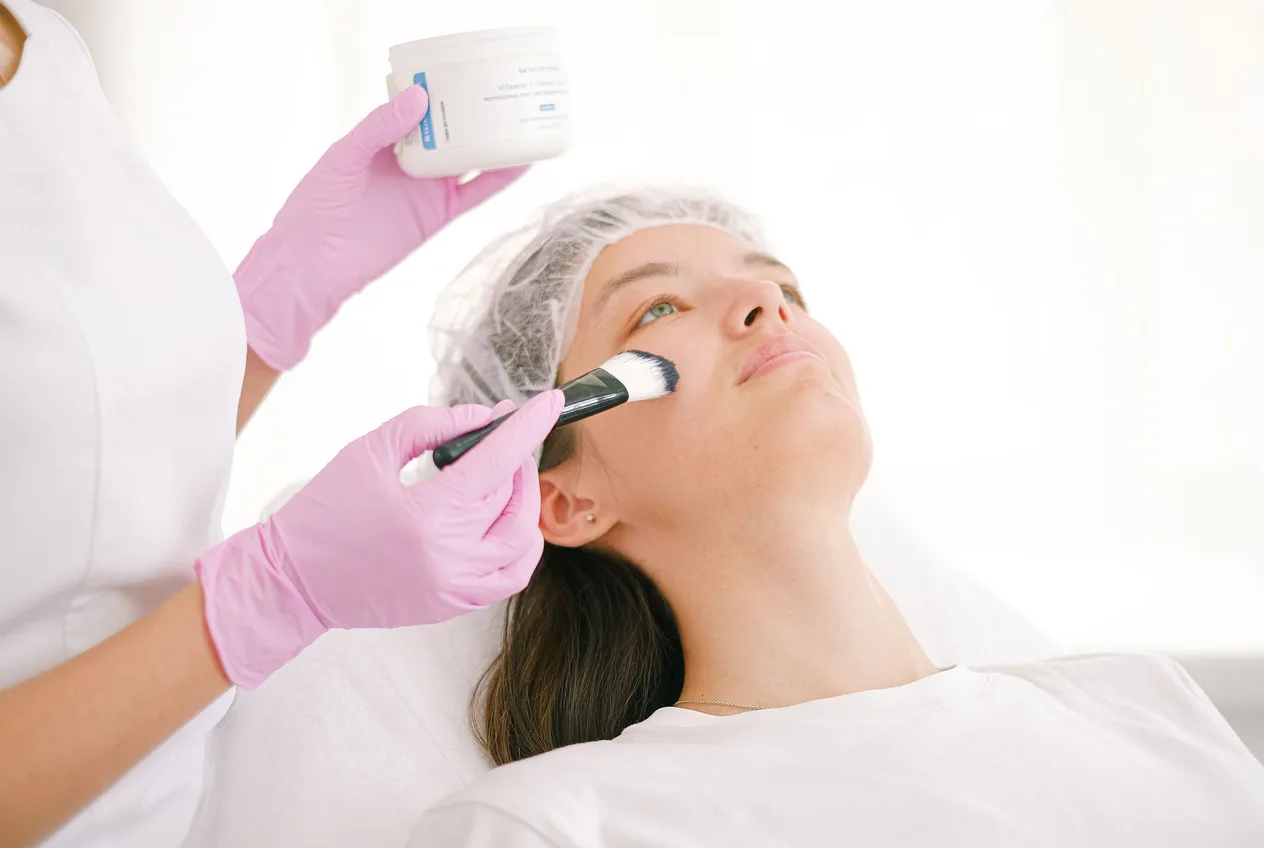
After applying a conductive gel when necessary, the doctor moves the applicator over the skin performing a uniform and controlled heating.
The procedure is usually comfortable and well tolerated.
The session usually lasts between 30 and 60 minutes, depending on the treated area.
What happens after the treatment?
Most patients can immediately resume their usual activity. It is possible to present:
- Mild redness.
- Sensation of heat.
- Slight temporary sensitivity.
These effects usually disappear within a few hours.
When are the results observed?
Some patients perceive a slight initial improvement of the firmness.
However, the main effect appears progressively during the following weeks and months, as collagen production increases.
How long do the results last?
The duration depends on:
- Age.
- The degree of laxity.
- Lifestyle habits.
- The protocol performed.
- The subsequent maintenance.
In many cases several initial sessions followed by periodic maintenance treatments are recommended.
What benefits does it offer?
Radiofrequency makes it possible to:
- Improve the firmness of the skin.
- Favour collagen production.
- Rejuvenate the appearance of the face.
- Improve elasticity.
- Achieve firmer and more uniform skin.
- Perform a treatment without surgery and with immediate recovery.
Are there side effects?
Radiofrequency is a generally well-tolerated treatment. There may appear transiently:
- Redness.
- Sensation of heat.
- Slight inflammation.
- Local sensitivity.
Significant complications are infrequent when the treatment is performed with adequate equipment and by qualified professionals.
What care should be followed afterwards?
It is generally recommended to:
- Maintain adequate hydration.
- Use sunscreen when the face is treated.
- Avoid intense heat during the first hours if the doctor considers it appropriate.
- Follow the personalised recommendations indicated after the session.
Can it be combined with other treatments?
Yes. Radiofrequency can be integrated into personalised protocols together with:
- Collagen biostimulators.
- Skinboosters.
- Polynucleotides.
- Platelet-rich plasma (PRP).
- Medical lasers.
- Chemical peels.
- Other regenerative medicine treatments.
The combination will depend on the diagnosis and the therapeutic objectives.
When to consult?
It is advisable to request a medical assessment if:
- You notice a loss of firmness.
- You present facial or body laxity.
- You wish to prevent skin ageing.
- You seek a non-surgical treatment to improve the quality of the tissues.
Myths and facts
- Myth: Radiofrequency replaces a surgical lift. Fact: No. It can improve firmness in mild or moderate cases, but it does not replace surgery when there is significant laxity.
- Myth: The results appear immediately. Fact: The main improvement depends on the progressive production of collagen and develops during the following months.
- Myth: A single session is enough. Fact: In most cases a better result is obtained through a protocol of several sessions.
- Myth: Radiofrequency thins the skin. Fact: No. Its objective is to stimulate regeneration and improve the firmness of the tissues.
- Myth: It is an exclusively facial treatment. Fact: It can also be used in different body areas.
The essential points to remember
- Radiofrequency stimulates the natural production of collagen by means of controlled heat.
- It improves the firmness and elasticity of the skin progressively.
- It is a non-surgical treatment with little recovery time.
- A protocol of several sessions is usually recommended.
- It can be combined with other rejuvenation and regenerative medicine treatments.
- The medical assessment makes it possible to select the most appropriate treatment according to the degree of laxity and the needs of each patient.
Frequently asked questions
Is the treatment painful?
No. It usually only produces a pleasant sensation of heat.
Does it need anaesthesia?
No, it is normally not necessary.
How long does the session last?
Between 30 and 60 minutes, depending on the treated area.
Can I return to work the same day?
Yes. It usually does not require recovery time.
How many sessions are usually recommended?
It depends on the degree of laxity and the protocol established by the doctor.
Can it be performed in summer?
Yes, provided the medical recommendations are followed and adequate photoprotection is maintained when the face is treated.
Is it useful for neck laxity?
Yes. It is one of the areas where it is frequently used.
Can it be combined with regenerative treatments?
Yes. It is common to associate it with other treatments to enhance the results.
Are the results permanent?
No. Ageing continues naturally, so maintenance sessions may be recommended.
Who should indicate this treatment?
Always a doctor after a personalised assessment.
Need personalised guidance?
This guide is for information only and does not replace a medical consultation. For an assessment tailored to your case, you may request a consultation.
Request a consultationTopics