Sleep and skin health: regeneration begins while we sleep
How sleep improves skin ageing
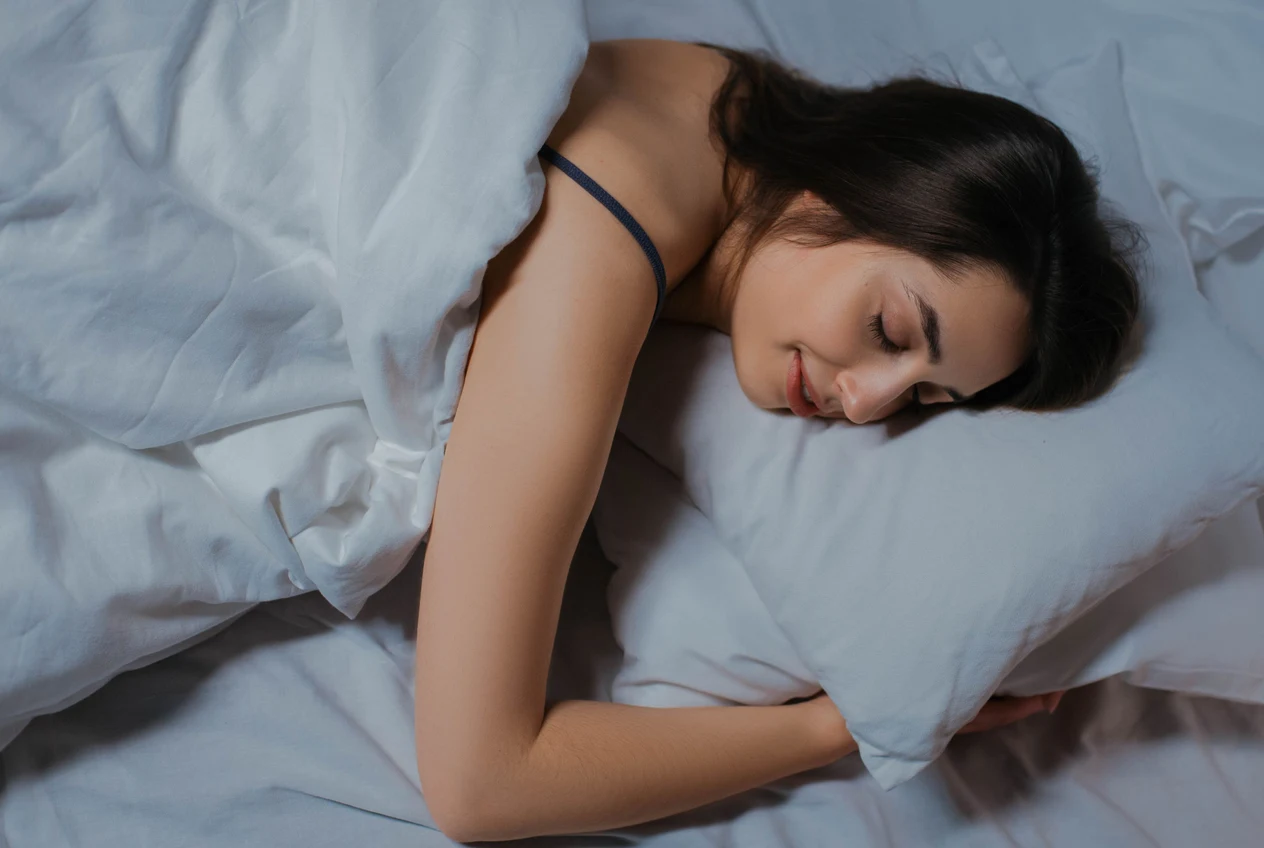
Sleep is one of the main natural repair mechanisms of the organism. Sleeping between seven and nine quality hours favours skin regeneration, collagen synthesis, immune balance and healthy ageing, while the lack of rest accelerates the deterioration of the skin.
Sleeping well is also taking care of the skin
When we think of healthy skin, we usually talk about creams, diet or sunscreen.
However, one of the most important treatments is completely free: sleeping well.
While we sleep, the organism sets in motion numerous processes of repair, regeneration and maintenance that directly affect the skin.
For this reason, quality sleep is one of the fundamental pillars of healthy ageing.
The skin also rests
During the night, the skin is not "switched off". Quite the opposite.
It is precisely during sleep that the activity of numerous cellular repair mechanisms increases.
Among them the following stand out:
- Repair of the DNA damaged during the day.
- Renewal of the cells of the epidermis.
- Synthesis of structural proteins.
- Production of collagen.
- Restoration of the barrier function.
- Regulation of inflammation.
- Recovery from oxidative stress.
The night constitutes the main maintenance period of the organism.
What happens when we sleep little?
Sleeping few hours repeatedly accelerates biological ageing.
In the skin it can favour:
- A dull appearance.
- More marked dark circles.
- Bags under the eyes.
- Loss of luminosity.
- Greater sensitivity.
- Slower recovery.
- Early appearance of fine lines.
- Worsening of some inflammatory diseases.
Various studies have shown that people with poor sleep quality present skin that ages more quickly and a worse recovery against external aggressions.
Sleep favours the production of collagen
During night-time rest, the activity of different hormones and growth factors involved in tissue repair increases.
This favours:
- The activity of the fibroblasts.
- The synthesis of collagen.
- The repair of the dermal matrix.
- The recovery of small lesions accumulated during the day.
Sleeping does not create perfect skin, but it does provide the biological conditions necessary to keep it healthy.
Sleep regulates inflammation
The lack of rest favours a persistent low-grade inflammatory state.
This inflammation can contribute to the worsening of diseases such as:
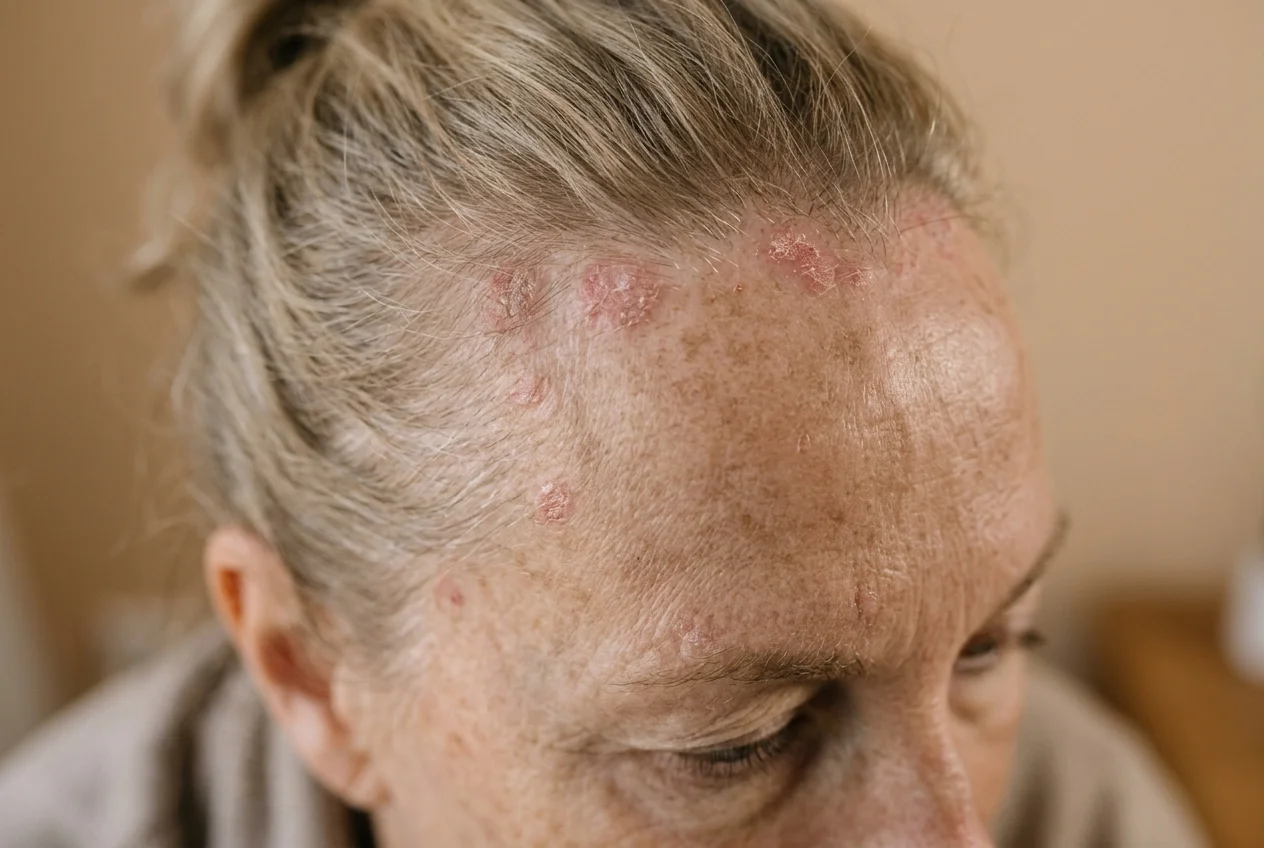
- Psoriasis.
- Atopic dermatitis.
- Rosacea.
- Acne.
Sleeping better does not replace medical treatment, but it can facilitate a better control of these diseases.
Sleeping little also alters the immune system
Sleep participates in the normal functioning of the immune system.
When rest is insufficient:
- The repair capacity decreases.
- The inflammatory response increases.
- The defence against microorganisms is altered.
- The recovery of wounds can be slower.
The skin depends on a balanced immune system to stay healthy.
Stress, cortisol and ageing
Sleep deprivation is usually accompanied by an increase in cortisol, the main stress hormone.
High levels of cortisol over long periods can favour:
- Greater degradation of collagen.
- An increase in oxidative stress.
- Alteration of the barrier function.
- Worsening of acne.
- Greater skin inflammation.
Sleeping well helps to maintain a healthier hormonal balance.
How many hours should we sleep?
The needs vary according to age and each person.
In most adults, the scientific societies recommend sleeping between 7 and 9 hours per night.
As important as the duration is the quality of the sleep.
How to improve sleep… and also the skin
Some simple measures can make the difference:
- Keeping regular schedules.
- Avoiding screens during the hour before rest.
- Sleeping in a dark and quiet room.
- Limiting alcohol at night.
- Avoiding tobacco.
- Reducing caffeine at the end of the day.
- Doing physical exercise regularly, avoiding the very intense one right before going to bed.
- Exposing yourself to natural light in the morning.
These habits benefit both sleep and general health.
Do creams work better at night?
The night constitutes a suitable moment to apply many cosmetic and medical skin treatments.
Not because the skin "absorbs everything", but because during rest the external aggressions decrease and the physiological repair processes increase.
Longevity begins while we sleep
People who maintain quality sleep usually present better indicators of metabolic, cardiovascular, immune and cognitive health.
The skin is not an exception.
In many cases, healthy skin simply reflects an organism that rests adequately.
Myths and facts
- Myth: Sleeping four hours is enough if I am used to it. Fact: The organism can adapt partially, but the biological effects of the sleep deficit continue to accumulate.
- Myth: Creams replace sleep. Fact: No cosmetic can replace the natural repair mechanisms that are activated during rest.
- Myth: Sleeping a lot eliminates all wrinkles. Fact: Sleep favours repair, but it does not stop biological ageing.
- Myth: Sleep only affects tiredness. Fact: It influences the skin, the immune system, metabolism, the heart, the brain and practically the whole organism.
- Myth: Sleeping well is a luxury. Fact: It is one of the most effective interventions and with the greatest scientific support to promote health and longevity.
The essential points to remember
- Sleep activates numerous mechanisms of repair and regeneration of the skin.
- Sleeping badly favours skin ageing, inflammation and loss of luminosity.
- The production and maintenance of collagen depend on an organism that rests adequately.
- Most adults need between seven and nine hours of quality sleep.
- No cream can replace the biological benefits of rest.
- Sleeping well is one of the most effective interventions to preserve the health of the skin and to favour healthy longevity.
Frequently asked questions
Does sleeping little age the skin?
Yes. The chronic lack of sleep favours skin ageing and hinders tissue repair.
How many hours should I sleep?
Most adults need between seven and nine hours of good quality sleep.
Does sleep favour collagen?
Yes. During rest, processes involved in the synthesis and repair of collagen are activated.
Can it worsen rosacea or acne?
Yes. The lack of sleep can favour inflammation and worsen some skin diseases.
Do dark circles appear from sleeping little?
The lack of rest can make them more visible, although genetics and other factors also influence.
Does stress affect the skin?
Yes. The sustained increase in cortisol favours inflammation and accelerates ageing.
Is it better to apply creams at night?
Many treatments benefit from the night-time routine, since the skin is in a period of repair.
Does alcohol improve sleep?
No. Although it can facilitate the onset of sleep, it worsens its quality and reduces restorative rest.
Which habit has the greatest impact on the skin?
The combination of good sleep, photoprotection, healthy diet, exercise and not smoking.
What is the best regenerating treatment?
Allowing the organism to have, each night, the time necessary to repair itself.
Need personalised guidance?
This guide is for information only and does not replace a medical consultation. For an assessment tailored to your case, you may request a consultation.
Request a consultation