Stress and skin diseases: when the skin reflects what we feel
How stress affects the skin
Chronic stress can trigger or aggravate numerous skin diseases by increasing inflammation, altering the barrier function and modifying the immune response. A comprehensive approach that combines medical treatment, adequate sleep and stress management contributes to improving the health of the skin and quality of life.
The skin and the brain are more connected than we imagine
Many people have experienced at some point that, during a period of stress, pimples appear, psoriasis worsens, a herpes reappears or itching increases.
It is not a coincidence.
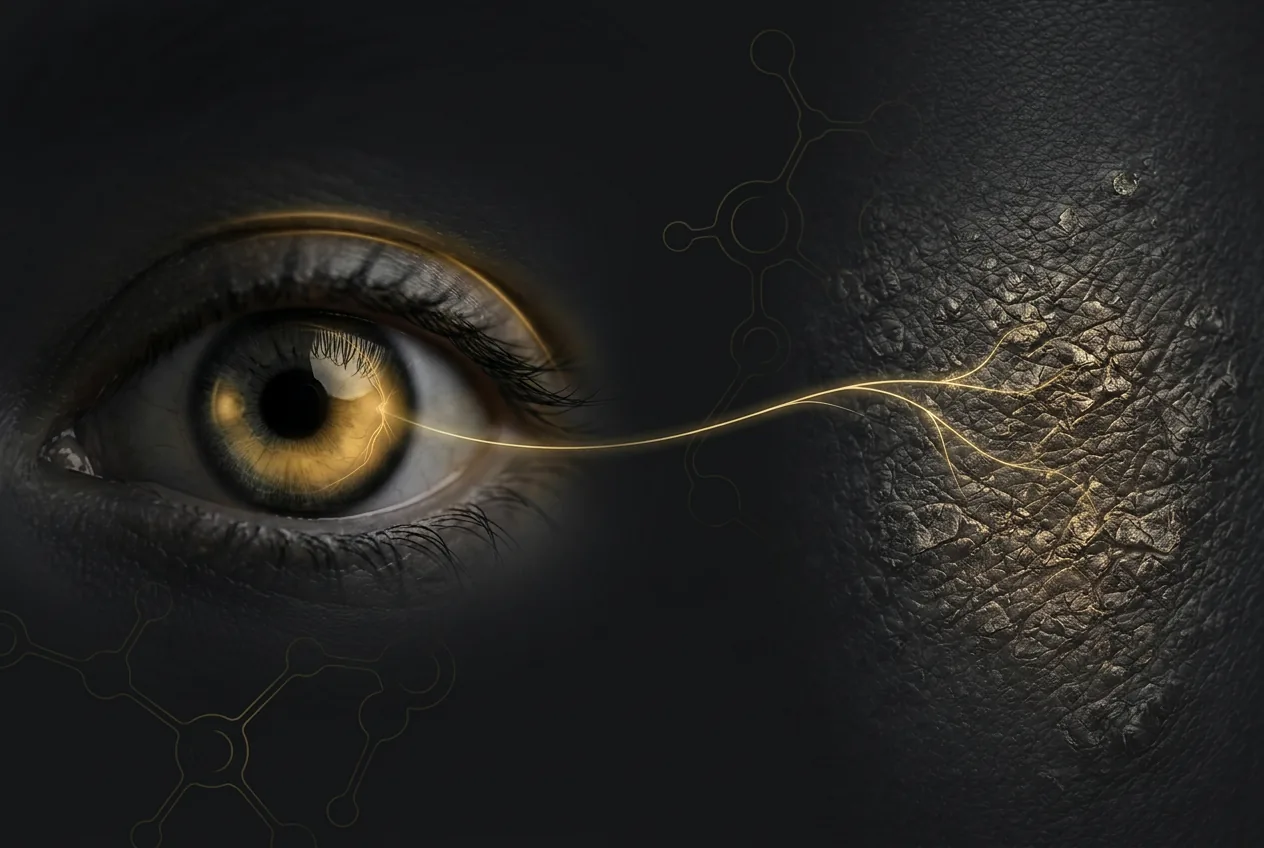
The skin and the nervous system maintain a constant communication through hormones, neurotransmitters, inflammatory mediators and the immune system.
This relationship is called the neuro-immuno-cutaneous axis and explains why stress can trigger or worsen numerous skin diseases.
What happens in the organism when we suffer stress?
Faced with a stressful situation, the organism activates mechanisms designed to help us respond quickly.
Different substances are released, among them:
- Cortisol.
- Adrenaline.
- Noradrenaline.
- Neuropeptides.
- Inflammatory cytokines.
When this response is occasional, it is useful. However, when stress is maintained for weeks or months, it can alter the normal functioning of the skin.
How does stress affect the skin?
Chronic stress can cause:
- An increase in inflammation.
- An alteration of the barrier function.
- Greater water loss.
- An increase in oxidative stress.
- Delayed healing.
- Alteration of the immune response.
- Greater skin sensitivity.
- Worsening of itching.
For this reason, skin subjected to stress is usually more reactive and more vulnerable.
Diseases that can worsen with stress
Stress is not usually the sole cause of these diseases, but it can act as a trigger or aggravate the flare-ups.
Among the most frequent are:
- Psoriasis.
- Atopic dermatitis.
- Rosacea.
- Acne.
- Urticaria.
- Alopecia areata.
- Telogen effluvium.
- Chronic lichen simplex.
- Chronic pruritus.
- Vitiligo.
- Recurrent cold sores.
Each person responds differently, but the influence of stress is widely recognised in the field of skin health.
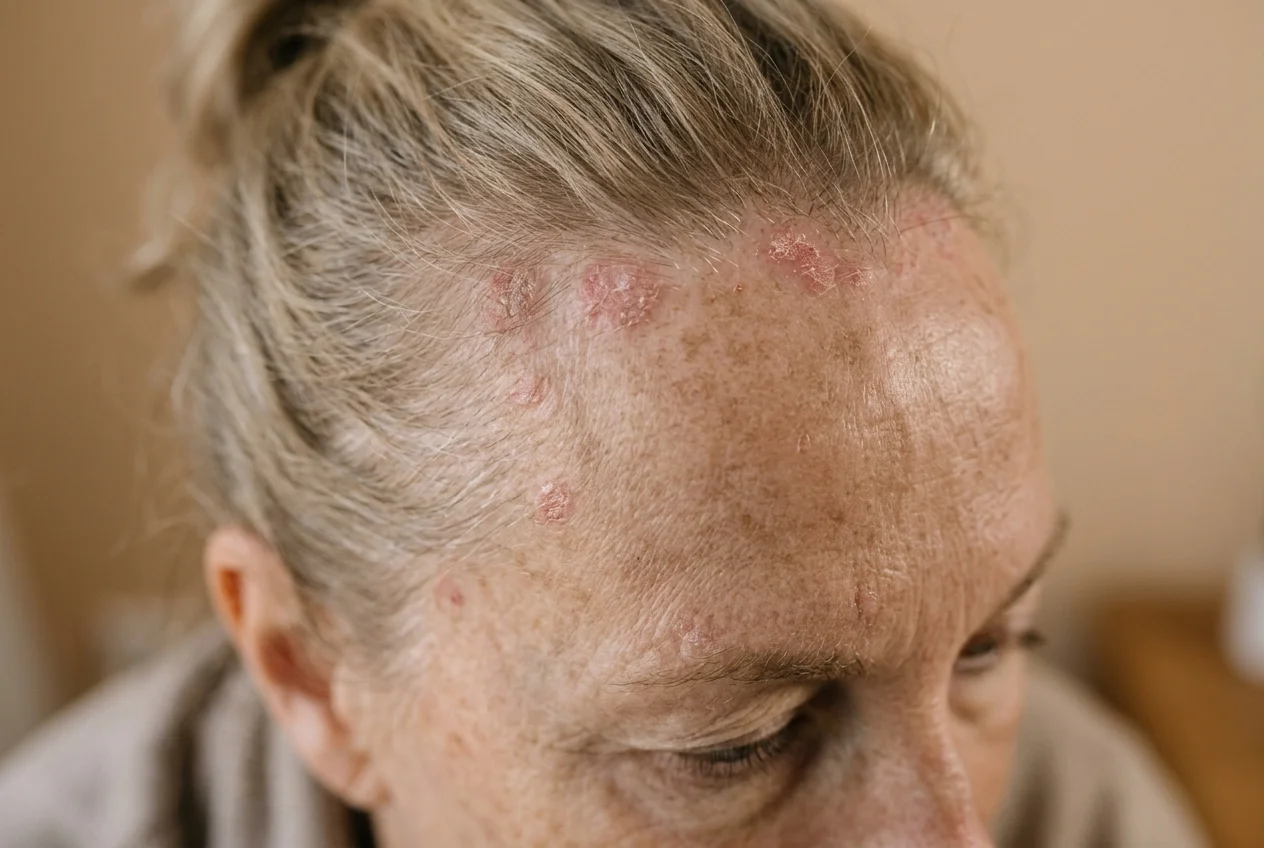
Stress and psoriasis
Psoriasis is one of the best-studied examples.
Many people clearly identify that the flare-ups appear or worsen after:
- Family problems.
- Work conflicts.
- Exams.
- Illnesses.
- Important losses.
Stress favours the inflammation that characterises this disease.
Stress and atopic dermatitis
Itching produces stress. Stress increases itching.
Thus a vicious circle is established that is very difficult to break.
Sleeping badly, scratching continuously and anxiety can keep the flare-ups active for longer.
Stress and acne
Stress does not produce acne on its own.
However, it can favour:
- Greater production of sebum.
- An increase in inflammation.
- Manipulation of the lesions.
- Worse adherence to treatment.
All of this contributes to the worsening of acne in many people.
Stress and hair loss
After a period of intense stress a telogen effluvium can appear, a diffuse hair loss that usually begins between two and three months after the triggering event.
In most cases it is reversible.
It can also influence some people with alopecia areata.
Stress delays healing
Healing depends on the good functioning of the immune system and on numerous repair mechanisms.
Sustained stress can:
- Delay the closing of wounds.
- Favour prolonged inflammation.
- Delay recovery after a surgery or a medical skin procedure.
Can stress favour ageing?
Yes.
The sustained increase in cortisol and in oxidative stress can contribute to:
- Greater degradation of collagen.
- Loss of elasticity.
- Early appearance of wrinkles.
- Alteration of the barrier function.
Ageing depends on many factors, but controlling stress is part of a healthy longevity strategy.
The skin can also produce stress
The relationship works in both directions.
A visible skin disease can affect:
- Self-esteem.
- Social relationships.
- Sleep.
- Anxiety.
- Mood.
For this reason, treating a skin disease means taking care of both the skin and the patient's quality of life.
How to reduce the impact of stress on the skin?
It is not always possible to eliminate stress, but it is possible to learn to manage it.
The measures with the greatest scientific support include:
- Sleeping between seven and nine hours.
- Practising physical exercise regularly.
- Maintaining a balanced diet.
- Breathing and relaxation techniques.
- Meditation or mindfulness.
- Maintaining healthy social relationships.
- Seeking professional help when necessary.
These strategies do not replace medical skin treatment, but they can improve its efficacy.
Myths and facts
- Myth: All skin diseases are psychological. Fact: No. They are real diseases with a biological basis. Stress can influence their evolution, but it does not mean that "everything is in the mind".
- Myth: If I control stress, the disease will disappear. Fact: Controlling stress helps, but it must normally be combined with the appropriate medical treatment.
- Myth: Stress only affects mood. Fact: It also modifies the functioning of the immune system, inflammation and the repair capacity of the skin.
- Myth: Stress can make hair fall out. Fact: Yes. It is one of the most frequent causes of telogen effluvium.
- Myth: Emotions do not affect the skin. Fact: The communication between the brain and the skin is widely demonstrated by scientific research.
The essential points to remember
- The skin and the nervous system maintain a constant communication.
- Chronic stress favours inflammation and alters the barrier function of the skin.
- It can trigger or worsen diseases such as psoriasis, atopic dermatitis, rosacea, acne, urticaria and some forms of hair loss.
- It can also delay healing and accelerate skin ageing.
- Skin diseases can, in turn, generate anxiety and stress, creating a vicious circle.
- A comprehensive treatment must include the control of the disease, together with good rest, physical exercise, a healthy diet and effective stress management strategies.
Frequently asked questions
Can stress cause a psoriasis flare-up?
Yes. It is one of the most frequent triggers.
Can it worsen atopic dermatitis?
Yes. Stress favours itching and inflammation.
Does stress produce acne?
Not directly, but it can aggravate an already existing acne.
Can it make hair fall out?
Yes. It can trigger a telogen effluvium and favour flare-ups of alopecia areata in some people.
Does stress delay healing?
Yes. Various studies have shown a slower recovery of wounds in situations of sustained stress.
Does sleeping better help the skin?
Yes. Sleep favours tissue repair and reduces inflammation.
Does anxiety produce itching?
Yes. Stress and anxiety can increase the perception of itching and favour scratching.
Do relaxation techniques replace treatment?
No. They are a very useful complement, but they do not replace medical care.
Should I consult if stress worsens my disease?
Yes. Your doctor specialised in skin health can help you to adapt the treatment and to consider a comprehensive approach.
What is the best treatment?
To control the skin disease and, at the same time, to take care of sleep, stress management and lifestyle habits.
Need personalised guidance?
This guide is for information only and does not replace a medical consultation. For an assessment tailored to your case, you may request a consultation.
Request a consultation