Psoriasis is a chronic inflammatory disease that causes red, scaly plaques on the skin. Learn about its causes, symptoms, available treatments and the daily care that helps keep it under control.
What is psoriasis?
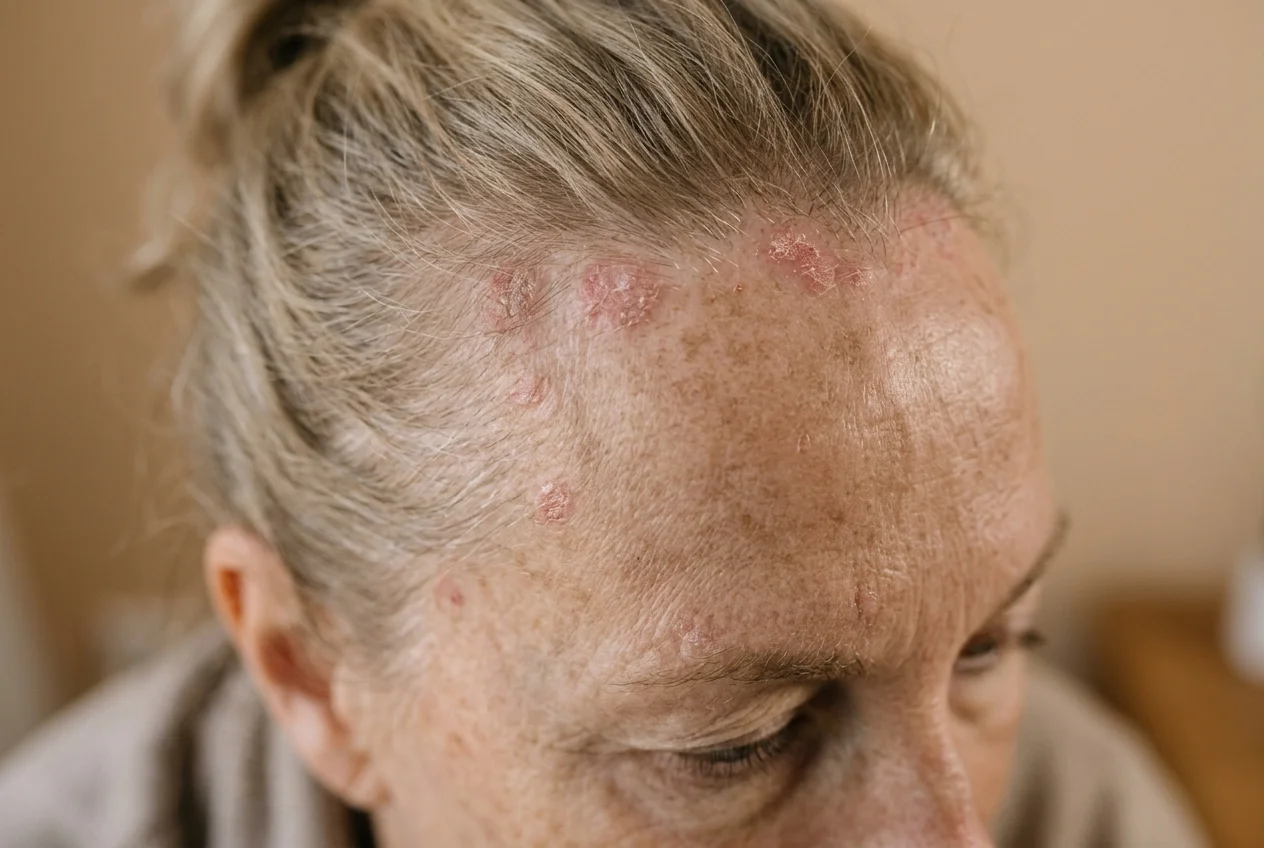
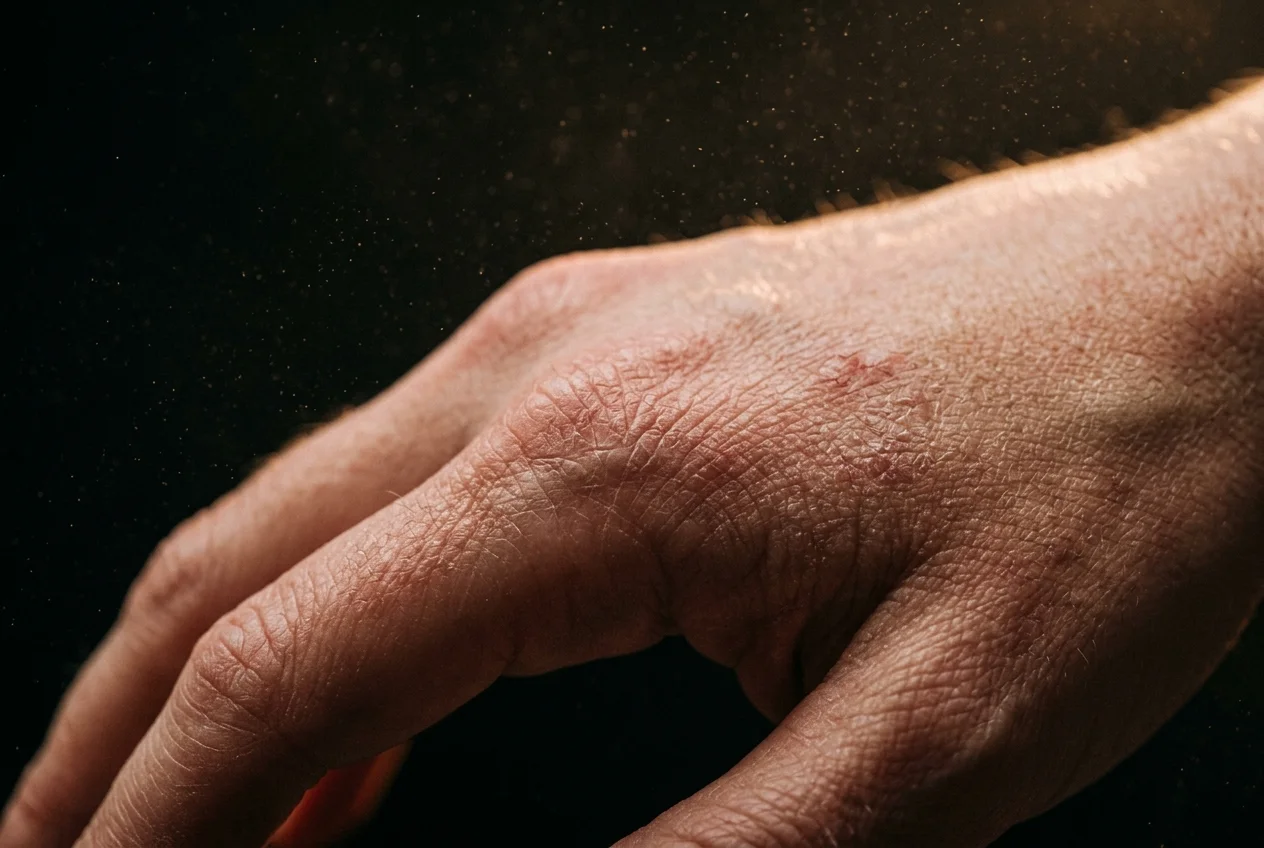
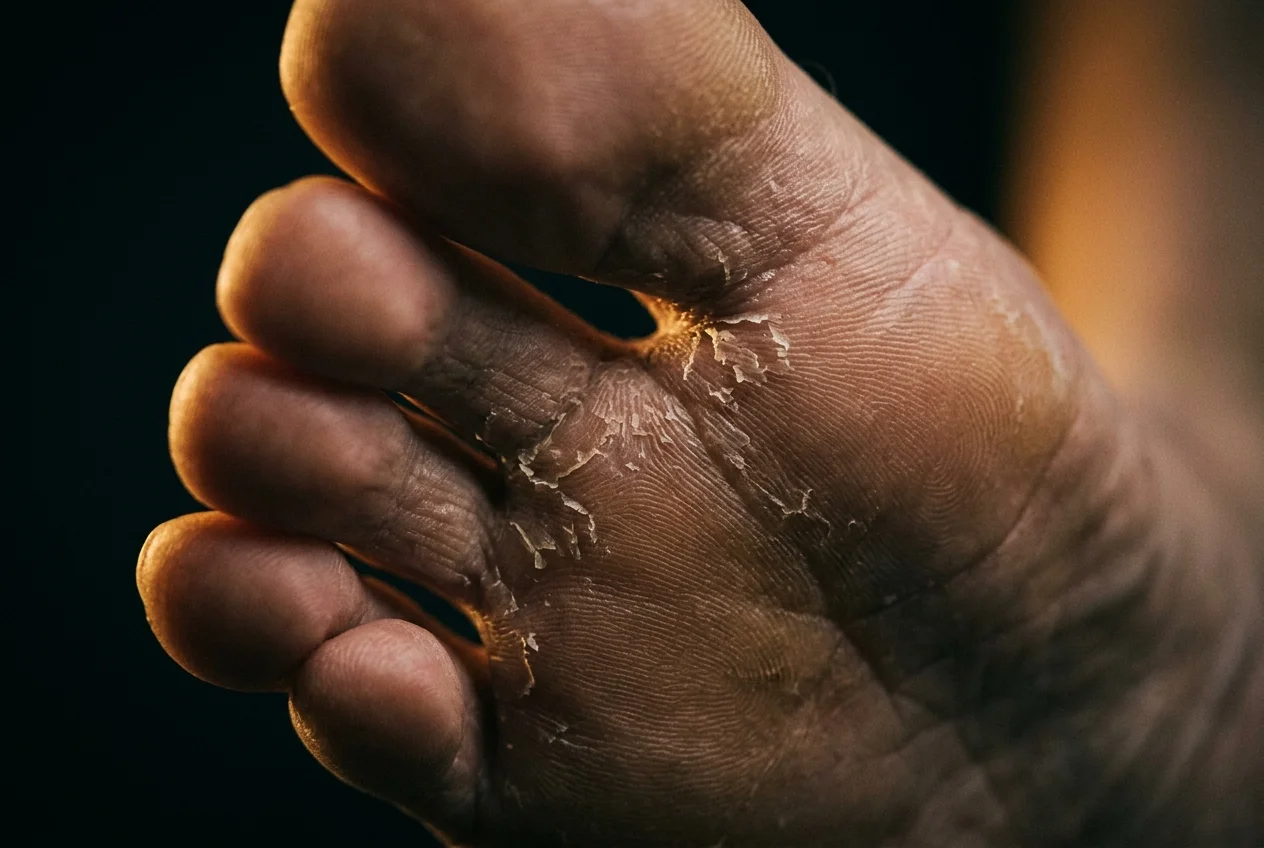
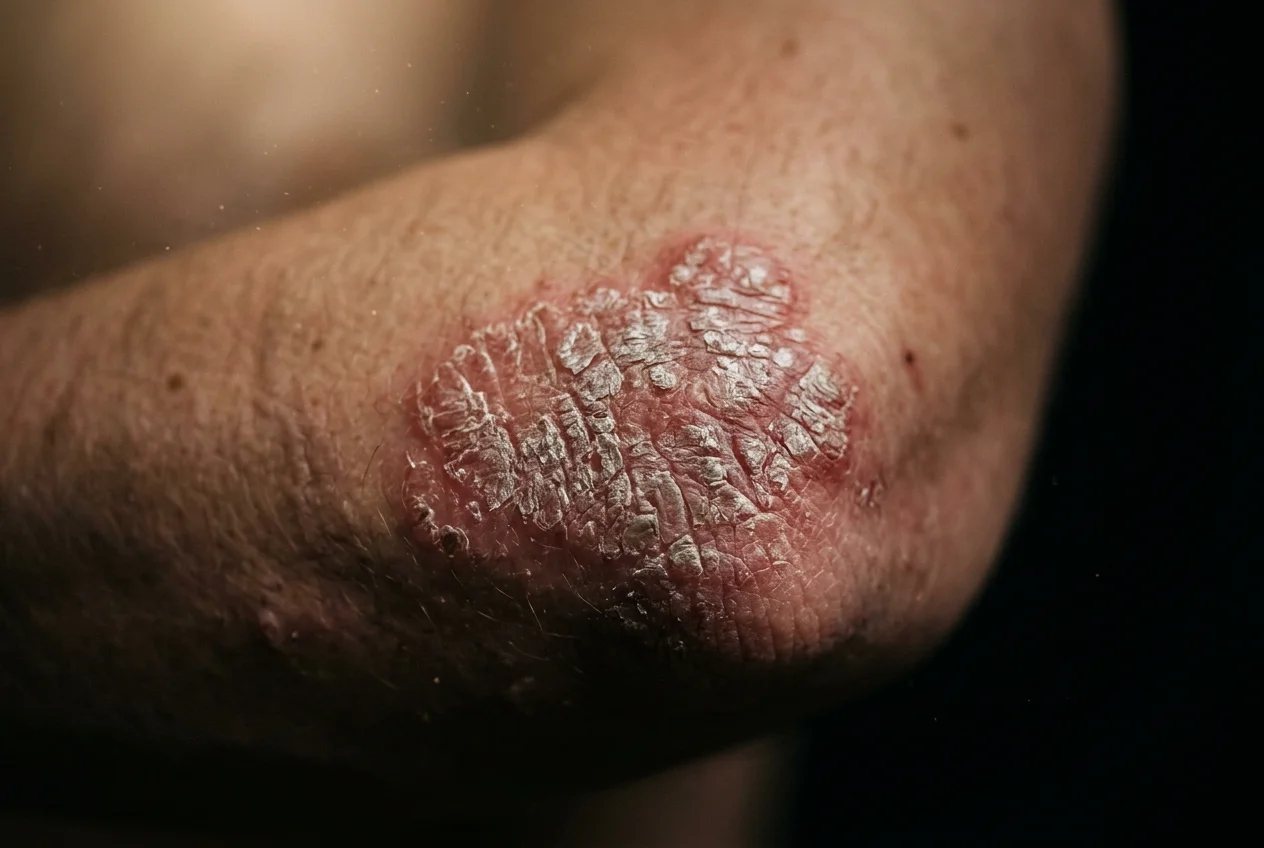
Psoriasis is a chronic inflammatory skin disease that accelerates the normal process of skin-cell renewal. As a result, thickened, reddened plaques covered with whitish or silvery scales appear.
It is a common disease that affects approximately 2-3% of the population. It can appear at any age, although it usually begins between the ages of 20 and 40 or, in some cases, later.
Psoriasis is not contagious. It cannot be passed on through contact with other people.
In addition to affecting the skin, in some patients it can involve the nails or the joints, giving rise to a disease called psoriatic arthritis.
Although there is currently no definitive cure, the available treatments make it possible to control the disease very effectively and to significantly improve quality of life.
Why does it appear?
Psoriasis is a disease of multifactorial origin. It is produced by a combination of:
- Genetic predisposition.
- Alterations of the immune system.
- Environmental factors that trigger flare-ups.
Among the factors that can favour or worsen psoriasis are:
- Emotional stress.
- Infections, especially streptococcal throat infections.
- Injuries or trauma to the skin (Koebner phenomenon).
- Smoking.
- Excessive alcohol consumption.
- Obesity.
- Some medications.
It is important to know that psoriasis is not caused by an infection or by an allergy.
What are the symptoms?
Symptoms can vary from one person to another. The most common are:
- Well-defined red plaques.
- Thick white or silvery scales.
- Itching, which can be mild or intense.
- A feeling of tightness.
- Painful cracks in some areas.
The most common locations are:
- Elbows.
- Knees.
- Scalp.
- Lower back.
- Navel.
- Buttock cleft.
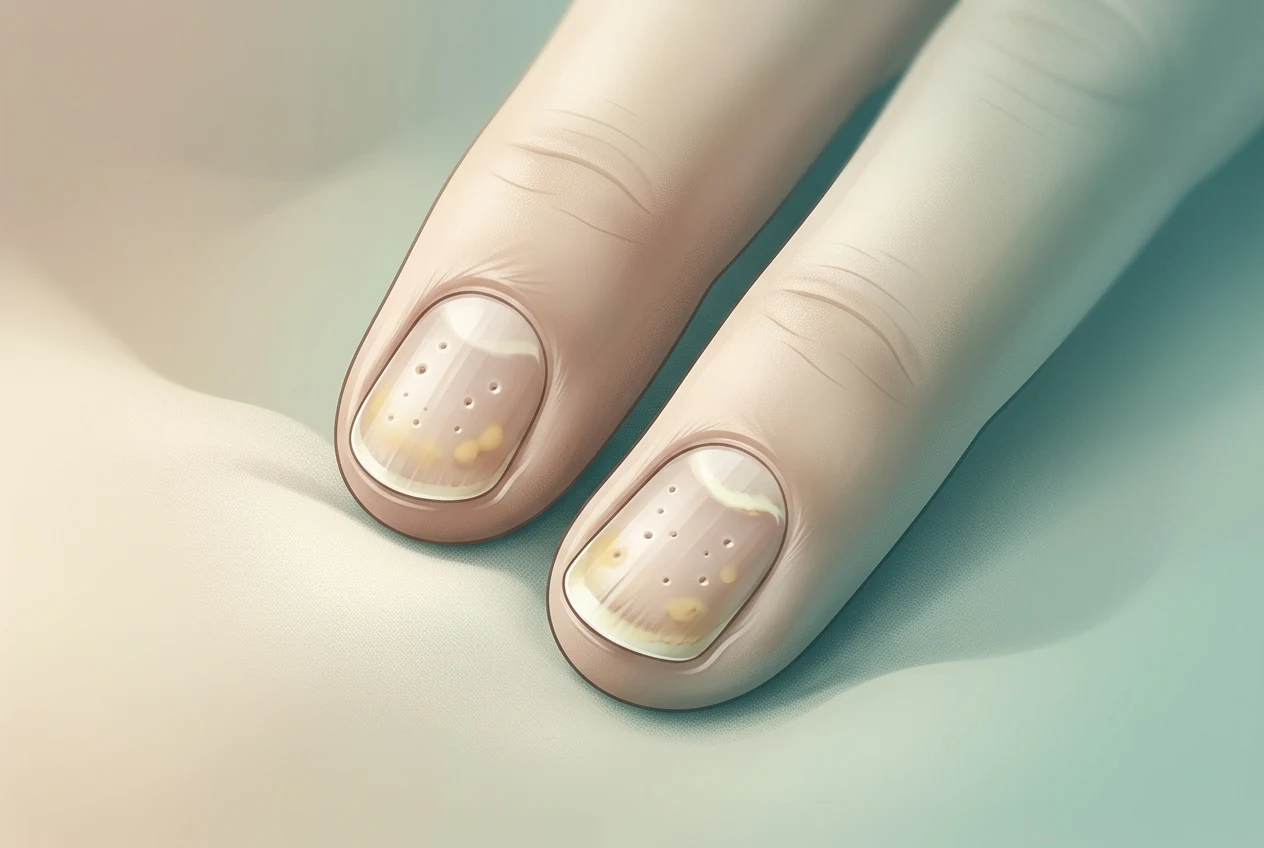
Psoriasis can also affect the nails, causing:
- Small pits (thimble nails).
- Thickening.
- Colour changes.
- Separation of the nail.
In some patients pain, stiffness or inflammation of the joints appears, which may indicate psoriatic arthritis. The disease usually evolves in flare-ups and periods of improvement.
How is it diagnosed?
Diagnosis is usually made through clinical examination. In most cases complementary tests are not necessary.
When there are diagnostic doubts, the doctor can perform a small skin biopsy to confirm the diagnosis.
If the patient has joint pain or inflammation, a specific assessment may be necessary to rule out psoriatic arthritis.
What treatments are available?
Treatment depends on:
- The extent of the disease.
- The intensity of the symptoms.
- The involvement of the nails or joints.
- The impact on quality of life.
Therapeutic options include:
- Anti-inflammatory creams and ointments.
- Vitamin D derivatives.
- Keratolytic treatments to reduce the scales.
- Ultraviolet-light phototherapy in selected cases.
- Oral medications in moderate or severe forms.
- Biologic treatments, very effective in patients with moderate or severe psoriasis.
There are currently treatments capable of achieving practically lesion-free skin in many patients. Treatment must always be individualised.
What can you do day to day?
Daily care helps to control the disease. It is recommended to:
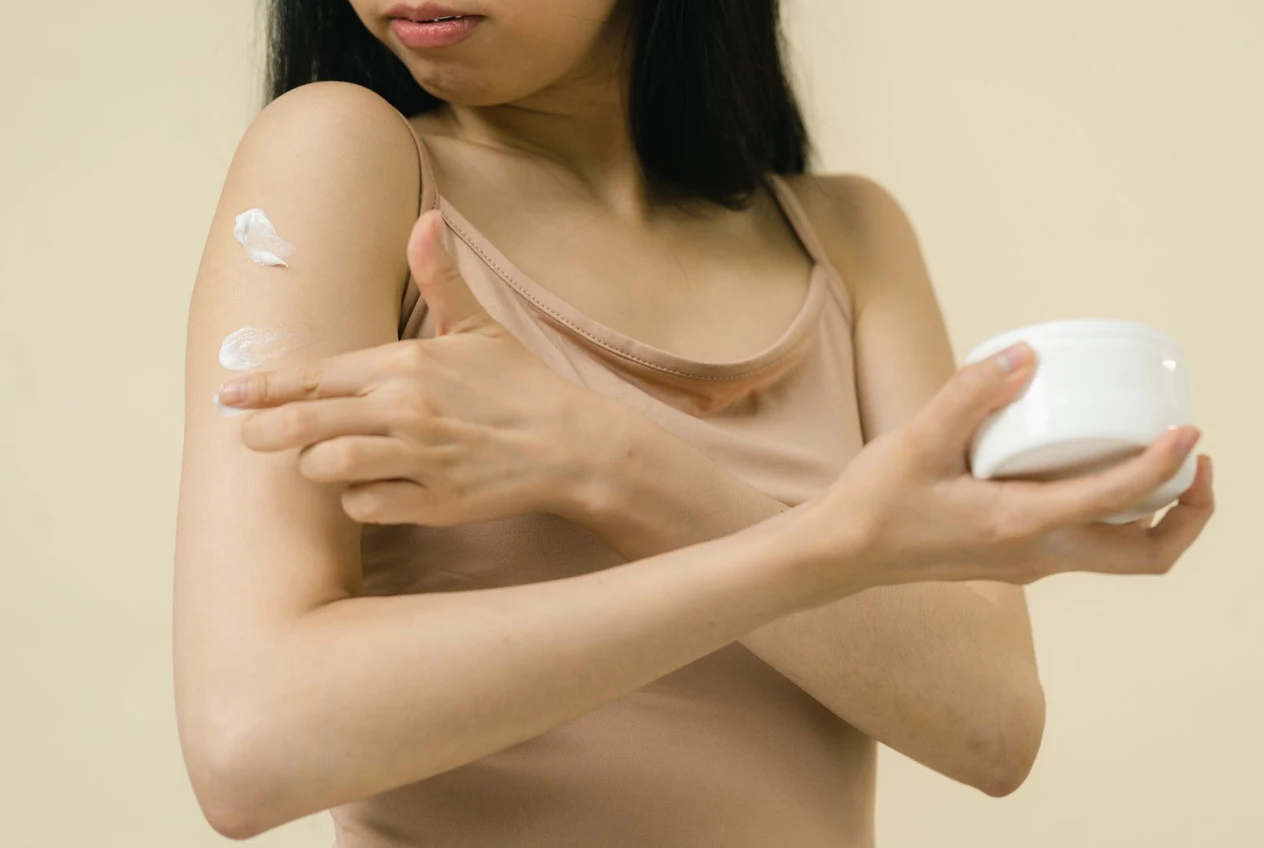
- Moisturise the skin every day.
- Avoid scratching the plaques.
- Use mild hygiene products.
- Maintain a healthy weight.
- Not smoke.
- Limit alcohol consumption.
- Protect the skin from repeated injuries.
- Follow the prescribed treatment correctly.
Stress can favour flare-ups. Learning relaxation techniques or engaging in regular physical activity can be beneficial for some people.
When should you seek prompt medical advice?
Seek medical assessment if:
- Pain or inflammation appears in the joints.
- The psoriasis spreads rapidly.
- The lesions affect a large part of the body.
- Signs of infection appear.
- The treatment stops controlling the disease.
- The psoriasis significantly affects your emotional well-being or your daily life.
Myths and facts
- Myth: Psoriasis is contagious. Fact: No. It cannot be transmitted through physical contact, swimming pools, clothing or sharing objects.
- Myth: Psoriasis only affects the skin. Fact: It can also affect the nails and, in some patients, the joints.
- Myth: It is only a cosmetic problem. Fact: It can significantly affect quality of life and requires appropriate medical management.
- Myth: There are no effective treatments. Fact: Today we have very effective treatments that make it possible to control the disease in most patients.
- Myth: Diet alone can cure psoriasis. Fact: A healthy diet can contribute to general well-being, but it does not replace medical treatment.
The key points to remember
- Psoriasis is a chronic inflammatory skin disease.
- It is not contagious.
- It can also affect the nails and the joints.
- It evolves in flare-ups and periods of improvement.
- There are very effective treatments to control the disease.
- Daily moisturising helps to improve skin function.
- Maintaining healthy habits can favour better control.
- Consulting early if joint pain appears makes it possible to detect possible psoriatic arthritis.
Frequently asked questions
Can psoriasis be cured?
There is currently no definitive cure, but it can be very well controlled with the available treatments.
Is it contagious?
No.
Can it affect the nails?
Yes. It is a common location.
Can it cause arthritis?
Yes. A percentage of patients develop psoriatic arthritis.
Does the sun improve psoriasis?
In many people, moderate sun exposure can improve the lesions, always avoiding burns and using appropriate sun protection.
Does stress worsen the disease?
Yes. It is one of the most common triggers of flare-ups.
Can I do sport?
Yes. Physical activity is recommended and is part of a healthy lifestyle.
Does psoriasis leave scars?
Usually not.
Will I need treatment for life?
It depends on each patient. Many people need maintenance treatment to keep the disease under control.
Can I lead a normal life?
Yes. With early diagnosis and appropriate treatment, most patients can lead a completely normal life.
Need personalised guidance?
This guide is for information only and does not replace a medical consultation. For an assessment tailored to your case, you may request a consultation.
Request a consultationTopics