Obesity and skin health
How excess weight affects the skin

Obesity favours a state of inflammation that can affect the skin and increase the risk of diseases such as psoriasis, hidradenitis suppurativa, acanthosis nigricans and skin infections. Maintaining a healthy weight benefits both the skin and general health.
What relation exists between obesity and the skin?
Obesity does not only affect the heart, the metabolism or the joints. It can also have an important impact on the skin.
The excess of adipose tissue favours a state of low-grade chronic inflammation that can alter the normal functioning of the skin and increase the risk of developing or worsening various skin diseases.
In addition, skin folds, increased friction and certain hormonal alterations contribute to the appearance of different skin problems.
How does obesity affect the skin?
Obesity can produce:
- Greater inflammation.
- Alteration of the barrier function of the skin.
- Increased sweating.
- Greater friction between the skin folds.
- Hormonal and metabolic changes.
- Greater risk of skin infections.
- Slower wound healing.
These changes can affect both health and quality of life.
Which skin diseases are associated most frequently?
Among the most habitual are:
- Psoriasis.
- Hidradenitis suppurativa.
- Acanthosis nigricans.
- Intertrigo.
- Fungal infections.
- Bacterial cellulitis.
- Folliculitis.
- Chronic venous insufficiency.
- Venous ulcers.
- Lymphoedema.
Not all people with obesity will develop these diseases, but their risk is greater.
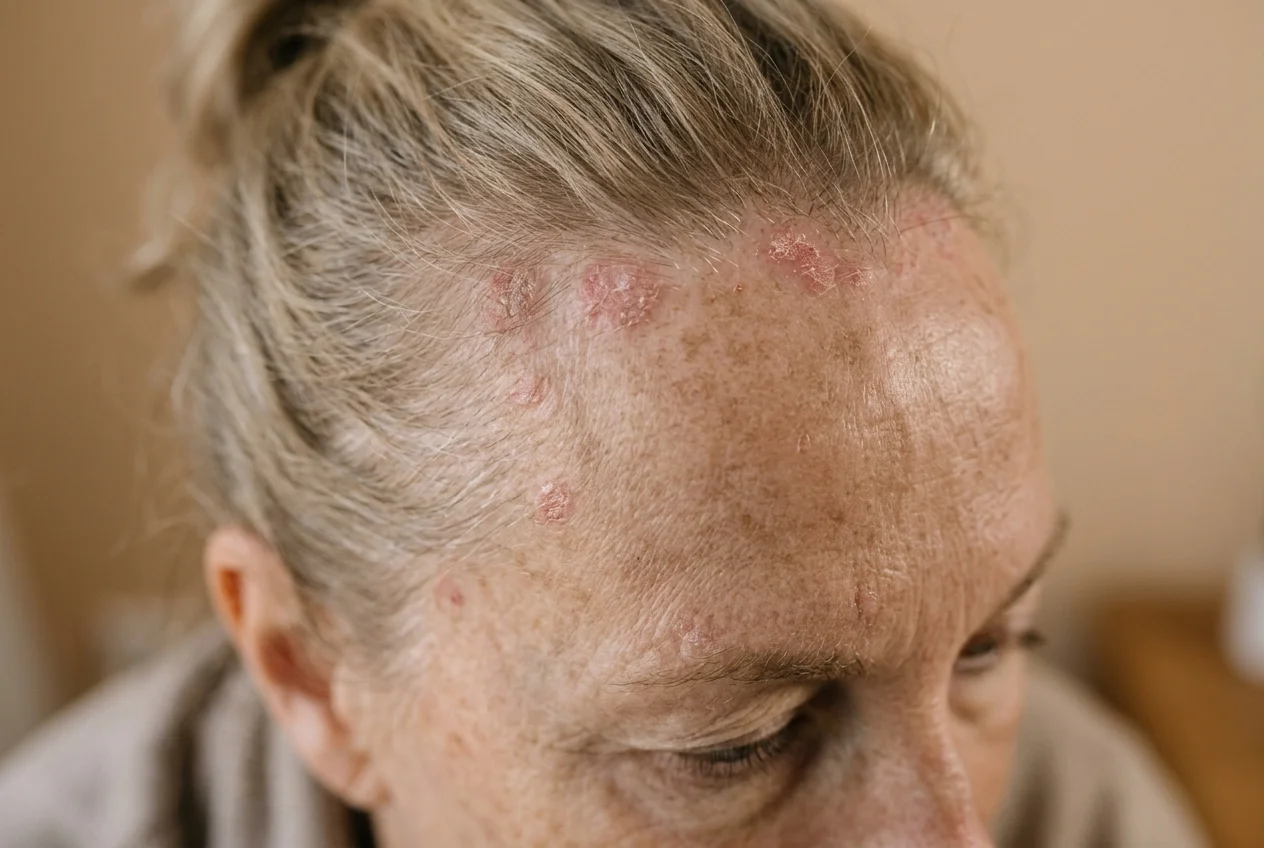
Psoriasis and obesity
There is a well-demonstrated relation between the two diseases.
People with obesity present a greater risk of developing psoriasis and, when it appears, it is usually more extensive and more difficult to control.
In addition, weight loss can improve the response to some treatments.
Hidradenitis suppurativa
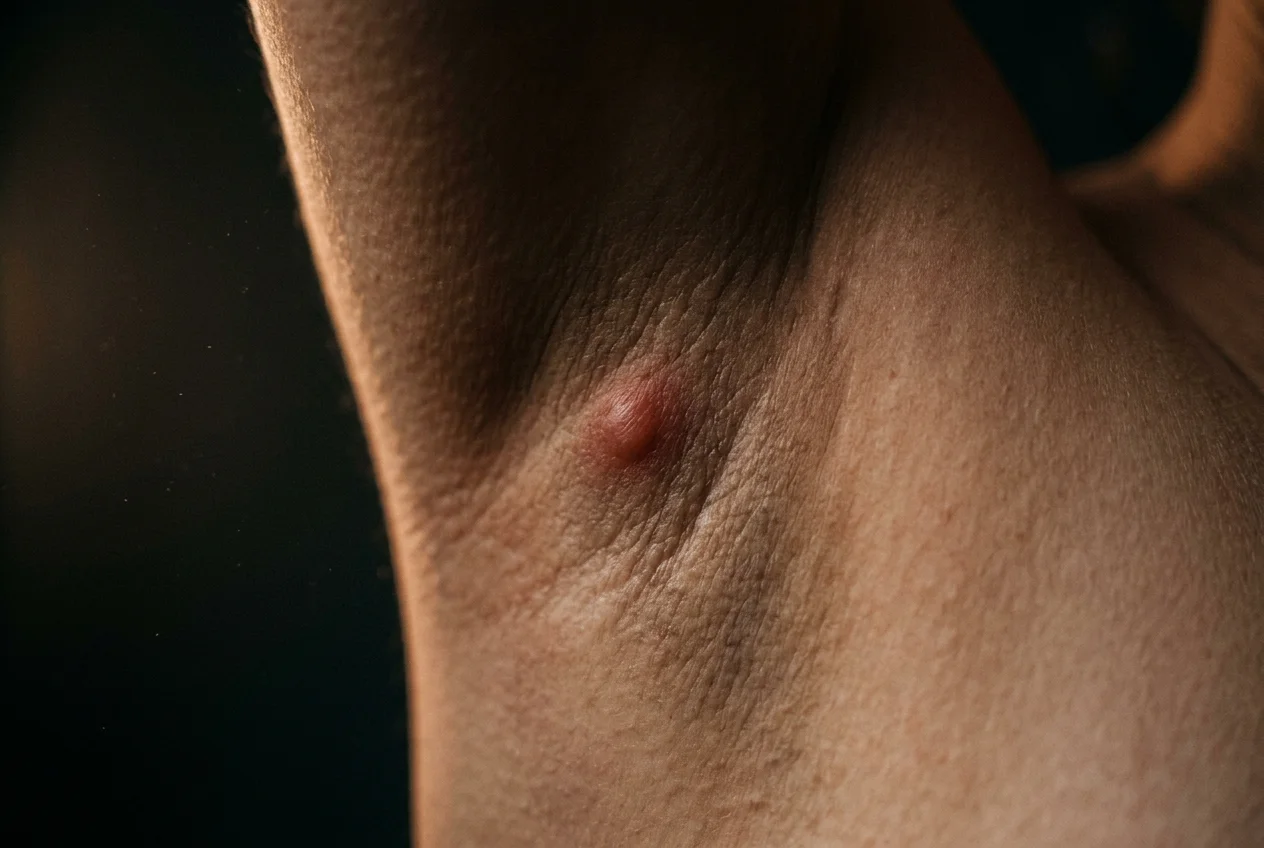
Obesity constitutes one of the main factors associated with this disease.
The increase of friction, moisture and inflammation favour the appearance of painful flares in:
- Armpits.
- Groin.
- Gluteal region.
- Under the breasts.
The reduction of weight can contribute to decreasing the frequency and the intensity of the flares.
Acanthosis nigricans
Acanthosis nigricans is characterised by the appearance of dark, thickened and velvety-looking areas, especially in the:
- Neck.
- Armpits.
- Groin.
It is frequently associated with insulin resistance and should motivate a medical assessment.
Intertrigo
Skin folds favour:
- Moisture.
- Heat.
- Friction.
All this facilitates the appearance of irritation and infections by bacteria or fungi.
Skin infections
People with obesity present a greater risk of:
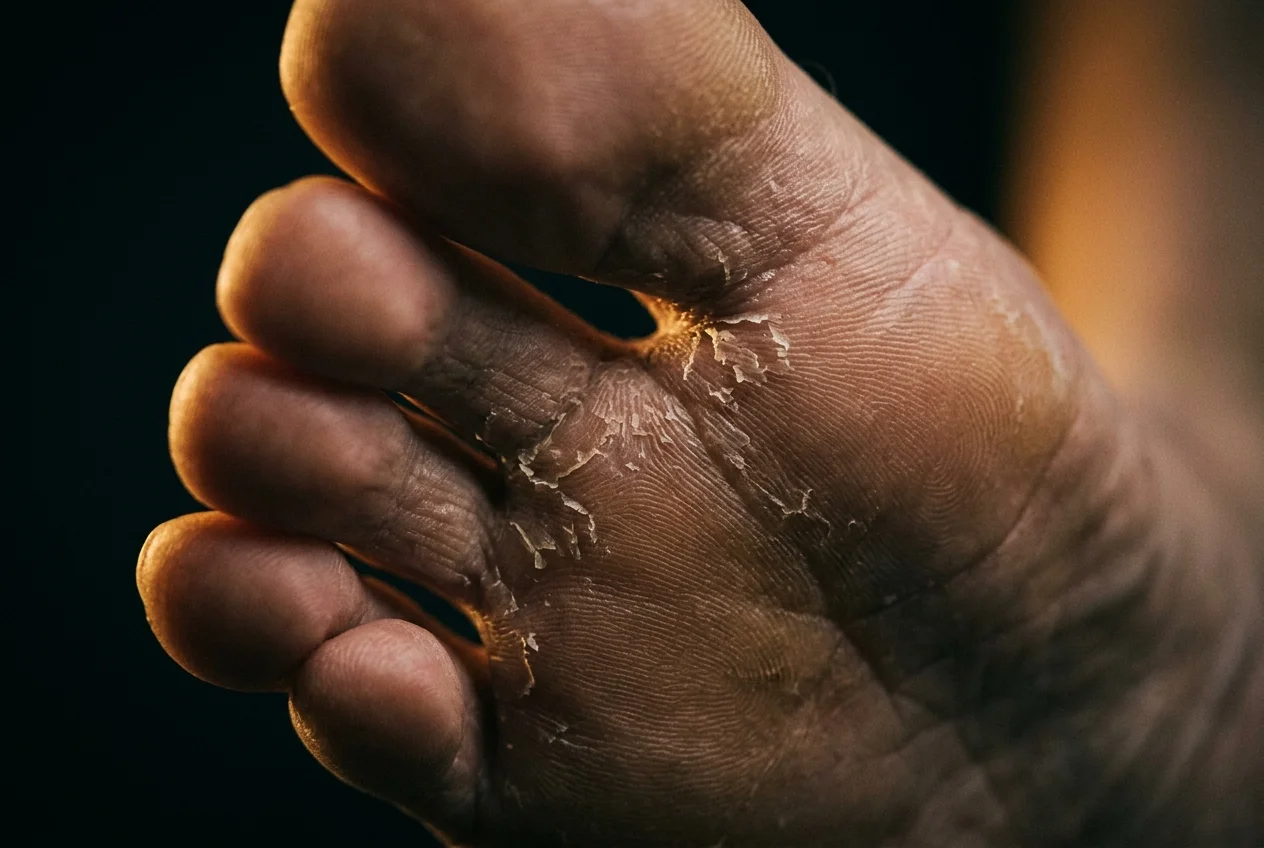
- Cutaneous candidiasis.
- Ringworm.
- Bacterial cellulitis.
- Folliculitis.
Maintaining adequate hygiene and controlling the moisture of the folds helps to reduce this risk.
Wound healing
Obesity can make wound healing difficult due to:
- Lower oxygenation of the tissues.
- Greater inflammation.
- Vascular alterations.
- Associated diabetes in some patients.
Therefore, wounds require a particularly careful follow-up.
Can weight loss improve the skin?
Yes. When weight loss is achieved in a healthy way, it can be associated with:
- Less inflammation.
- Better control of psoriasis.
- Lower frequency of hidradenitis suppurativa.
- Decrease of friction between folds.
- Lower risk of infections.
- Better wound healing.
- Greater mobility and quality of life.
The benefits are usually observed progressively.
Which habits help to care for the skin?
It is recommended to:
- Maintain a healthy weight.
- Follow a balanced diet, preferably of Mediterranean style.
- Practise adapted physical exercise.
- Dry the skin folds carefully.
- Use breathable clothing.
- Maintain a correct hydration of the skin.
- Consult early in the case of wounds or infections.
Does obesity increase the risk of skin cancer?
Obesity does not constitute a direct risk factor for skin cancer in the same way as ultraviolet radiation.
However, it is associated with a greater risk of various diseases and some types of cancer, so maintaining a healthy weight benefits general health.
Photoprotection and medical skin check-ups continue to be fundamental.
Is diet part of the treatment?
Yes. A balanced diet can contribute to decreasing systemic inflammation and improving general health.
Nevertheless, it must be combined with:
- Physical activity.
- Medical treatment when necessary.
- Specific medical skin care.
- Individualised follow-up.
Myths and facts
- Myth: Obesity only affects weight. Fact: It also influences the skin, the immune system, the circulation and numerous organs.
- Myth: All people with obesity will have skin diseases. Fact: No, although the risk of developing certain pathologies is greater.
- Myth: Losing weight cures all skin diseases. Fact: It can improve some pathologies, but does not replace medical skin treatment.
- Myth: Infections in the folds appear from a lack of hygiene. Fact: Moisture, friction and the alteration of the skin barrier also play an important role.
- Myth: The skin does not reflect the metabolic state of the organism. Fact: Many skin diseases can be related to metabolic alterations such as obesity or insulin resistance.
The essential points to remember
- Obesity can significantly affect skin health.
- It favours a state of inflammation that can worsen various skin diseases.
- Psoriasis, hidradenitis suppurativa, acanthosis nigricans and skin infections are some of the most related pathologies.
- Weight loss, when achieved in a healthy way, can improve the evolution of several skin diseases.
- A balanced diet, exercise and skin care are part of the integral treatment.
- Medical follow-up makes it possible to prevent complications and improve quality of life.
Frequently asked questions
Does weight loss improve psoriasis?
In many patients yes, especially when there is obesity.
What is acanthosis nigricans?
It is a skin alteration that usually manifests as dark and velvety plaques, frequently associated with insulin resistance.
Why do infections appear in the folds?
Moisture, heat and friction favour the growth of microorganisms.
Does obesity produce hidradenitis suppurativa?
Not directly, but it increases the risk and can aggravate the disease.
Should I hydrate the skin?
Yes. A good hydration helps to maintain the barrier function of the skin.
Does exercise benefit the skin?
Yes. In addition to favouring weight control, it improves general and metabolic health.
Does obesity make wound healing difficult?
Yes. Wounds can take more time to heal.
Is the Mediterranean diet advisable?
Yes. It constitutes one of the healthiest dietary patterns.
When should I consult the doctor specialised in skin health?
In the case of wounds that do not heal, repeated infections, painful lesions or important changes in the skin.
Can part of these problems be prevented?
Yes. Maintaining a healthy weight and adopting healthy lifestyle habits reduces the risk of many skin complications.
Need personalised guidance?
This guide is for information only and does not replace a medical consultation. For an assessment tailored to your case, you may request a consultation.
Request a consultationTopics