Oral collagen: does it really work?
What the scientific evidence says
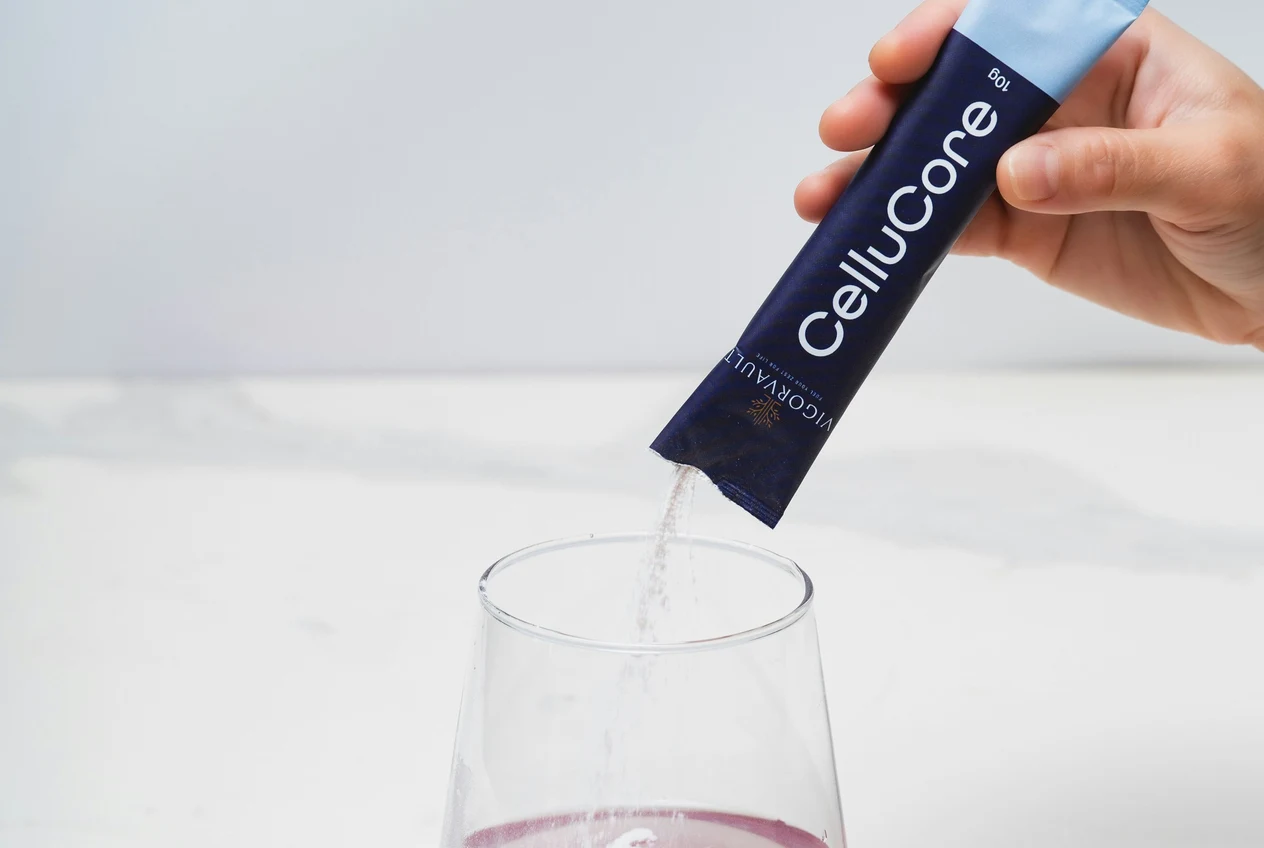
Oral collagen is digested before being absorbed and the available scientific evidence shows modest and variable benefits. The most supported strategy consists of stimulating the natural production of collagen through healthy habits and specific medical treatments.
What is collagen?
Collagen is the most abundant protein in the organism.
It is part of:
- The skin.
- The tendons.
- The ligaments.
- The bones.
- The cartilages.
- The blood vessels.
In the skin it constitutes the main component of the dermis and is responsible, together with elastin and hyaluronic acid, for cutaneous firmness and resistance.
Over the years, the natural production of collagen decreases.
What is oral collagen?
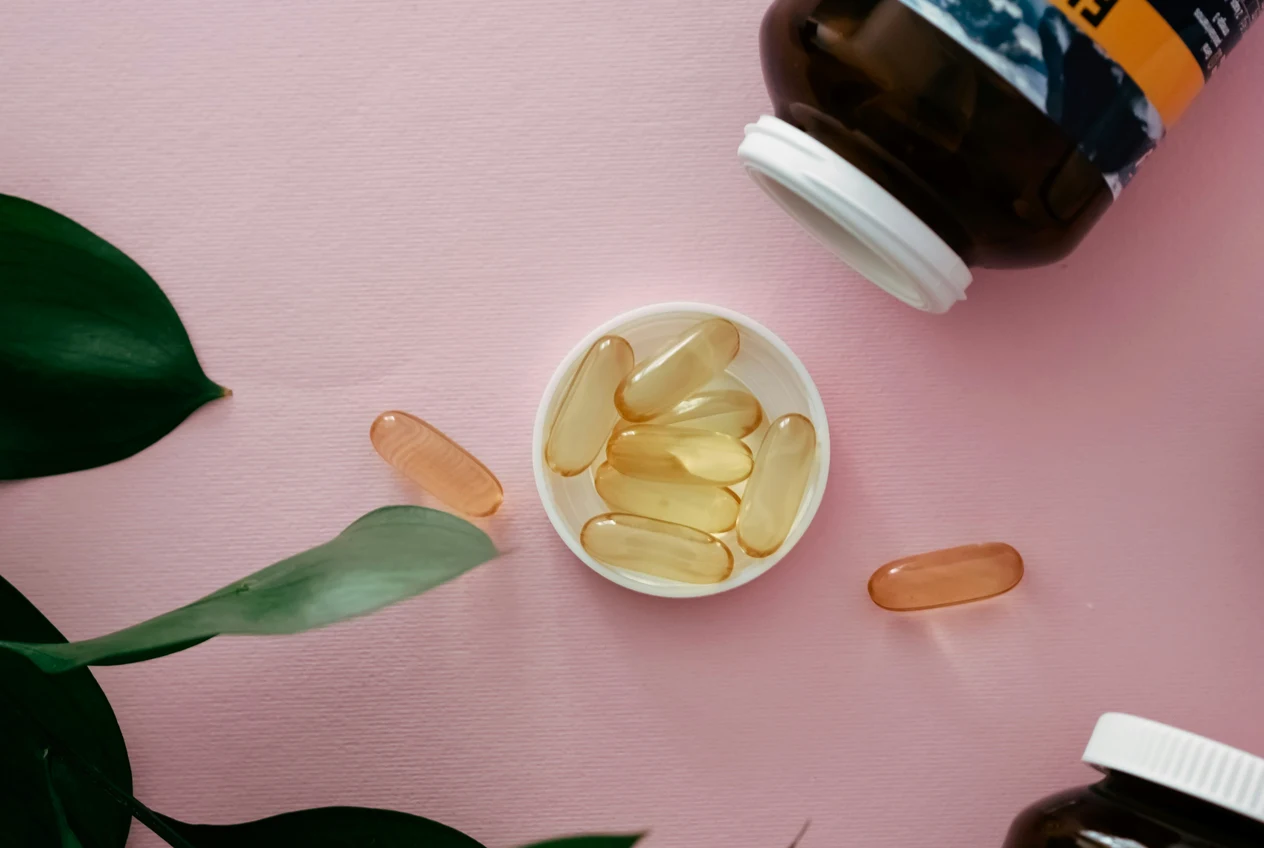
Collagen supplements usually contain hydrolysed collagen, that is, collagen previously fragmented into small peptides to facilitate its digestion.
They are marketed with the promise of improving:
- Skin firmness.
- Wrinkles.
- Hair.
- Nails.
- Joints.
But what does the scientific evidence really say?
Does the collagen we ingest reach the skin directly?
No.
When we ingest collagen, it does not reach the skin intact.
Like any other dietary protein, it is first digested in the digestive system and broken down into small peptides and amino acids.
Subsequently, the organism uses those components according to its own needs.
There is no mechanism by which the body automatically «sends» the ingested collagen to the skin.
What does the scientific evidence say?
Some studies have observed small improvements in parameters such as:
- Skin hydration.
- Elasticity.
- Certain fine wrinkles.
However, the evidence presents several important limitations:
- Small-sized studies.
- Short follow-ups.
- Very different methodologies.
- Products differing from one another.
- Frequent funding by manufacturers.
Therefore, there is currently no scientific consensus that allows oral collagen to be considered a clearly effective treatment for skin ageing.
So is it useless?
It cannot be affirmed that it has no effect at all.
But neither can it be affirmed that it produces important results or ones comparable to the available medical treatments.
At present, the possible described benefits seem to be, at best, modest and variable between individuals.
How does the skin really produce collagen?
The skin makes its own collagen by means of cells called fibroblasts.
These cells continuously synthesise new collagen fibres in response to different stimuli.
Therefore, the most logical strategy consists of stimulating the organism itself to produce its collagen, instead of trying to provide already-formed collagen.
Which treatments stimulate the natural production of collagen?
There are currently treatments with greater scientific support to induce collagen synthesis, such as:
- Collagen biostimulators.
- Fractional CO₂ laser.
- Microneedling.
- Radiofrequency.
- Certain regenerative treatments.
All of them act by stimulating the fibroblasts to produce new collagen.
Does diet have an influence?
Yes.
Although no food directly increases the skin's collagen, a balanced diet provides the nutrients needed for the organism to synthesise it.
Especially important are:
- Quality proteins.
- Vitamin C.
- Zinc.
- Copper.
- A diet rich in fruits and vegetables.
Do tobacco and the sun affect collagen?
Very much.
Two of the main causes of collagen loss are:
- Ultraviolet radiation.
- Tobacco.
Therefore, daily photoprotection and avoiding smoking are probably much more important than any supplement.
Should I take oral collagen?
Currently it cannot be recommended in general for all people.
It can be an individual option in some cases, always explaining that the available evidence shows modest benefits and that it does not replace healthy habits or medical treatments.
Myths and facts
- Myth: Oral collagen reaches the skin directly. Fact: It is first digested and transformed into peptides and amino acids.
- Myth: Taking collagen eliminates wrinkles. Fact: Scientific evidence only shows possible discreet benefits in some studies.
- Myth: The more collagen I take, the better my skin. Fact: There is no evidence supporting this claim.
- Myth: The best collagen is the one taken in supplements. Fact: The most important collagen is the one our own organism makes.
- Myth: Supplements replace medical treatments. Fact: No. They are completely different strategies.
The essential points to remember
- Ingested collagen does not reach the skin intact.
- Scientific evidence on collagen supplements shows modest benefits and still presents important limitations.
- The organism makes its own collagen by means of the fibroblasts.
- Treatments that stimulate the natural production of collagen have more solid scientific support.
- Photoprotection, avoiding tobacco and a balanced diet remain the most important measures to preserve cutaneous collagen.
- No supplement replaces a medical diagnosis or a personalised treatment.
Frequently asked questions
Does oral collagen eliminate wrinkles?
No. If it produces any effect, it is usually discreet.
Does it reach the skin intact?
No. It is digested before being absorbed.
Is it better to stimulate natural collagen?
Yes. It is the strategy with the most biological foundation and the best clinical results.
Should I take collagen every day?
There is no universal recommendation.
Does it have side effects?
It is generally well tolerated, although it is not free from possible digestive discomfort or allergies depending on its origin.
Can it replace collagen biostimulators?
No. They act through completely different mechanisms.
Does diet help to produce collagen?
Yes. A balanced diet provides the nutrients needed for its synthesis.
What destroys collagen the most?
The sun and tobacco are two of the main factors responsible for its degradation.
What is the best strategy to preserve collagen?
Photoprotection, not smoking, a healthy diet and medical treatments that stimulate natural production when indicated.
Who can guide me on the most suitable treatment?
The doctor specialised in skin health or in aesthetic medicine, after an individual assessment.
Need personalised guidance?
This guide is for information only and does not replace a medical consultation. For an assessment tailored to your case, you may request a consultation.
Request a consultation