Enlarged pores
Causes and treatments to improve the texture and quality of the skin

Enlarged pores are a frequent reason for aesthetic consultation related to genetics, excess sebum and aging. Discover how to improve their appearance through medical cosmetics, peels, microneedling and laser treatments.
What are enlarged pores?
Pores are small natural openings of the skin through which the sebum produced by the sebaceous glands and, in many areas of the body, the hair come out.
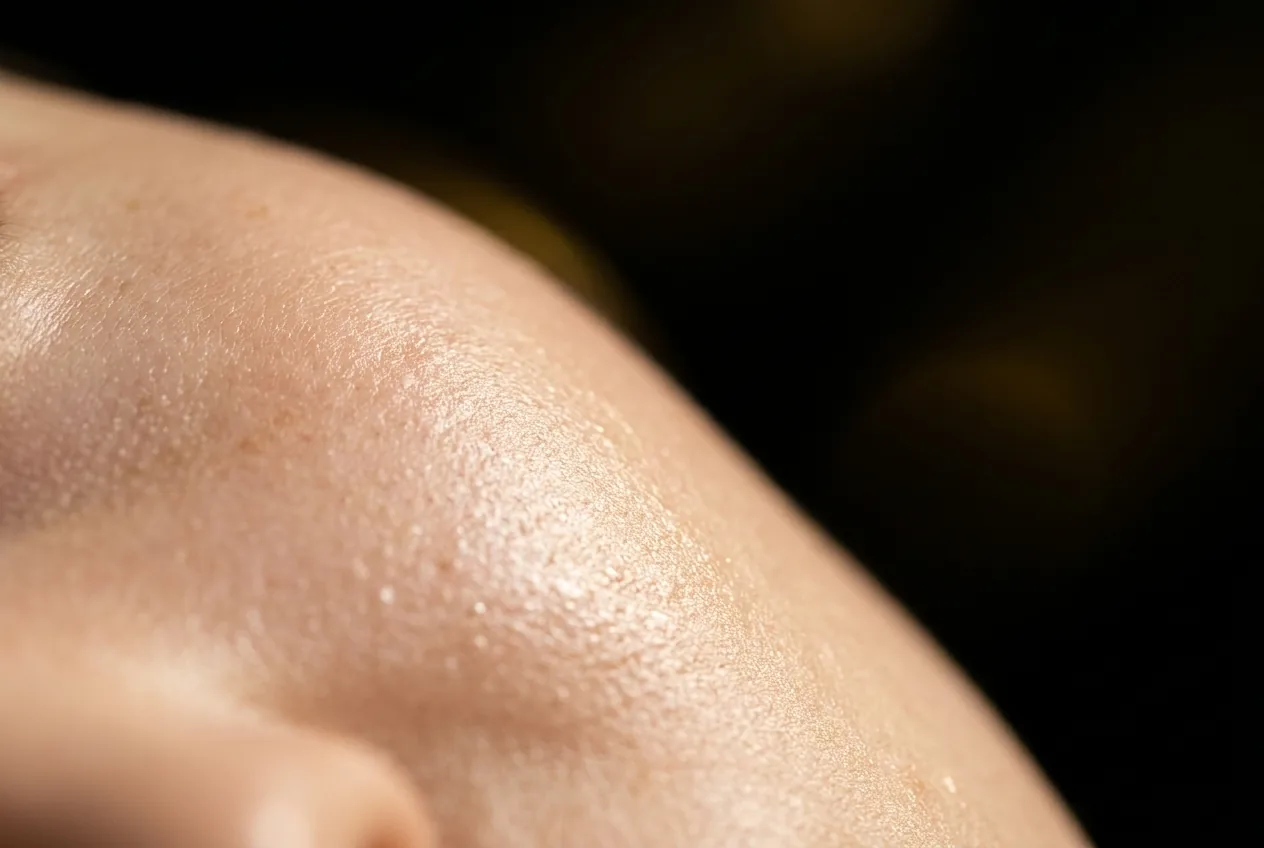
Enlarged pores appear when these openings become more visible than usual, especially on the face.
They do not constitute a disease, but they are one of the most frequent reasons for consultation in skin health and aesthetic medicine due to their aesthetic impact.
It is important to know that pores cannot open or close, although it is possible to reduce their appearance through appropriate treatments.
Why do they appear?
The size of the pores depends on several factors.
Genetics. It is the main determining factor. Some people are born with a greater predisposition to present visible pores.
Excessive sebum production. When the sebaceous glands produce more oil, the follicular duct distends and the pore becomes more evident. It is frequent in people with oily skin, acne or seborrhoeic dermatitis.
Skin aging. Over the years, collagen and elastin decrease. The skin loses firmness and the support around the pore decreases, making it look larger.
Sun damage. Ultraviolet radiation accelerates the degradation of collagen and favours the progressive dilation of the pores.
Acne. Repeated episodes of inflammation can alter the structure of the follicle and increase the visibility of the pores.
Where do they appear most frequently?
The most usual areas are the nose, the cheeks, the forehead and the chin. Together they form the so-called T-zone, where there is a greater concentration of sebaceous glands.
What factors can worsen them?
Pores can become more visible due to excess oil, photoaging, tobacco, inadequate cosmetics, insufficient cleaning of the skin, uncontrolled acne and hormonal changes.
How are they diagnosed?
The diagnosis is clinical. During the consultation the doctor will assess the type of skin, the production of sebum, the skin quality, the presence of acne, scars, sun damage and aging.
Frequently, enlarged pores are part of a broader problem of skin quality.
What treatments exist?
The treatment will depend on the predominant cause. In many cases several techniques are combined.
Retinoids. Topical retinoids favour cellular renewal, the regulation of sebum, the improvement of texture and the progressive reduction of the appearance of the pores. They constitute one of the most effective medical treatments.
Salicylic acid. It is especially useful on oily skin. It helps to clean the inside of the pore, to reduce obstruction and to decrease the production of oil.
Medical peels. Chemical peels make it possible to improve the texture, the luminosity, the seborrhoea and the appearance of the pores. Several sessions are generally necessary.
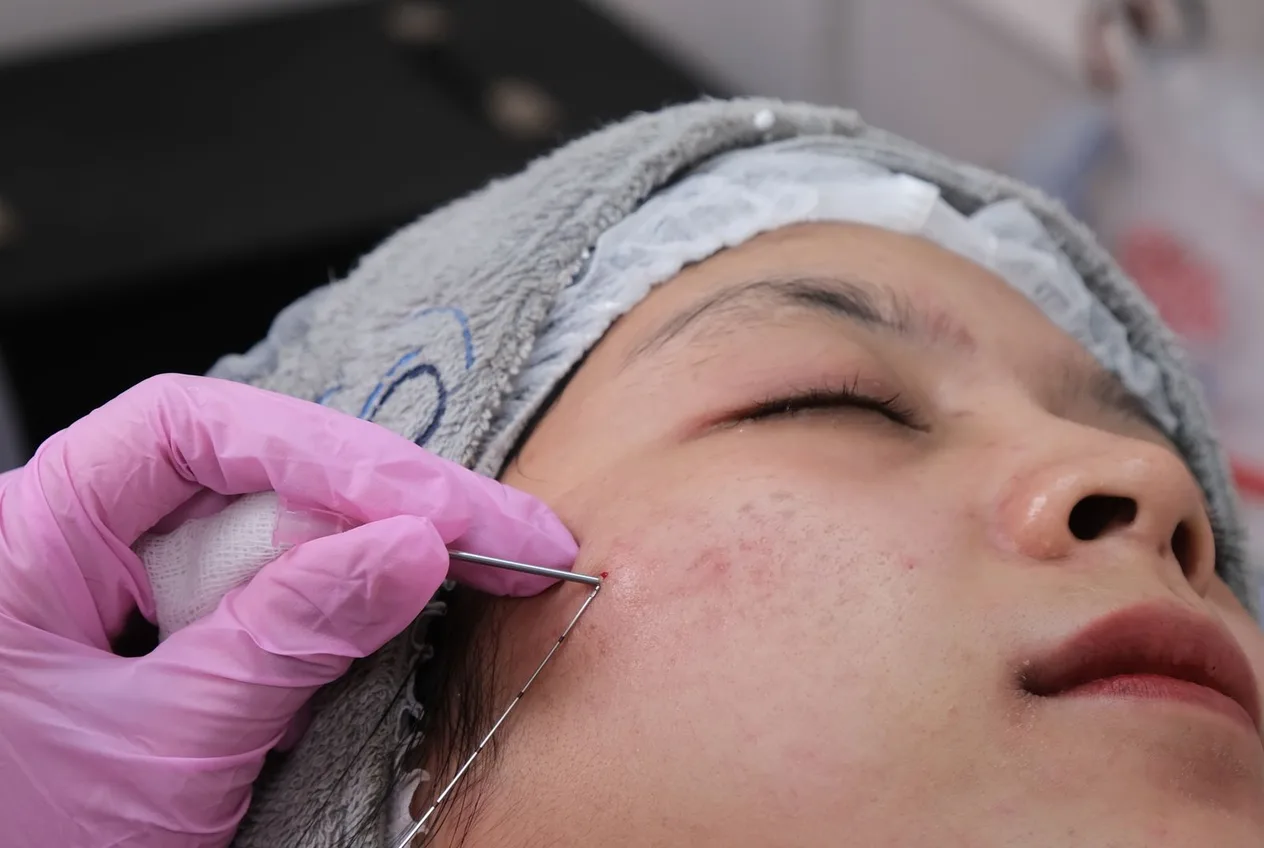
Microneedling. It stimulates the formation of new collagen and progressively improves the quality of the skin and the appearance of the pores.
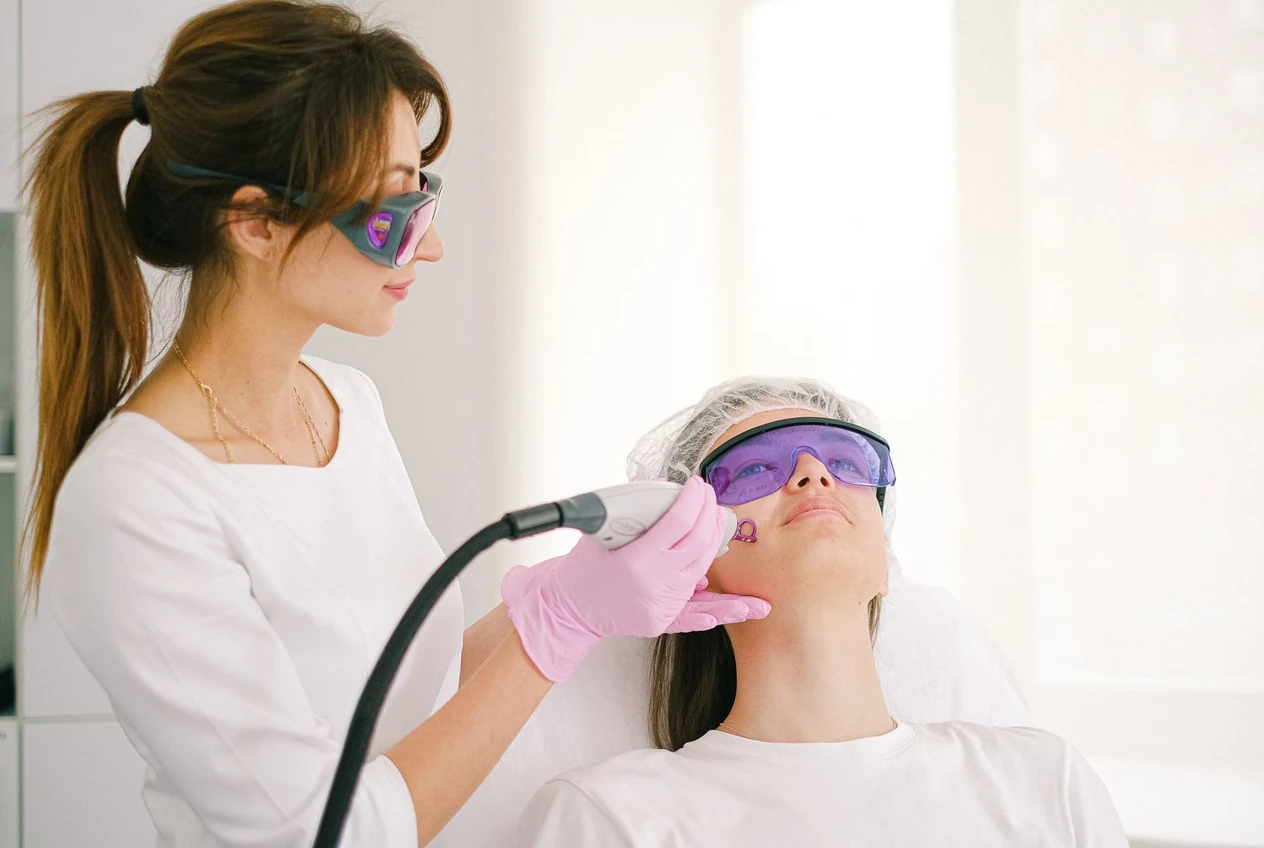
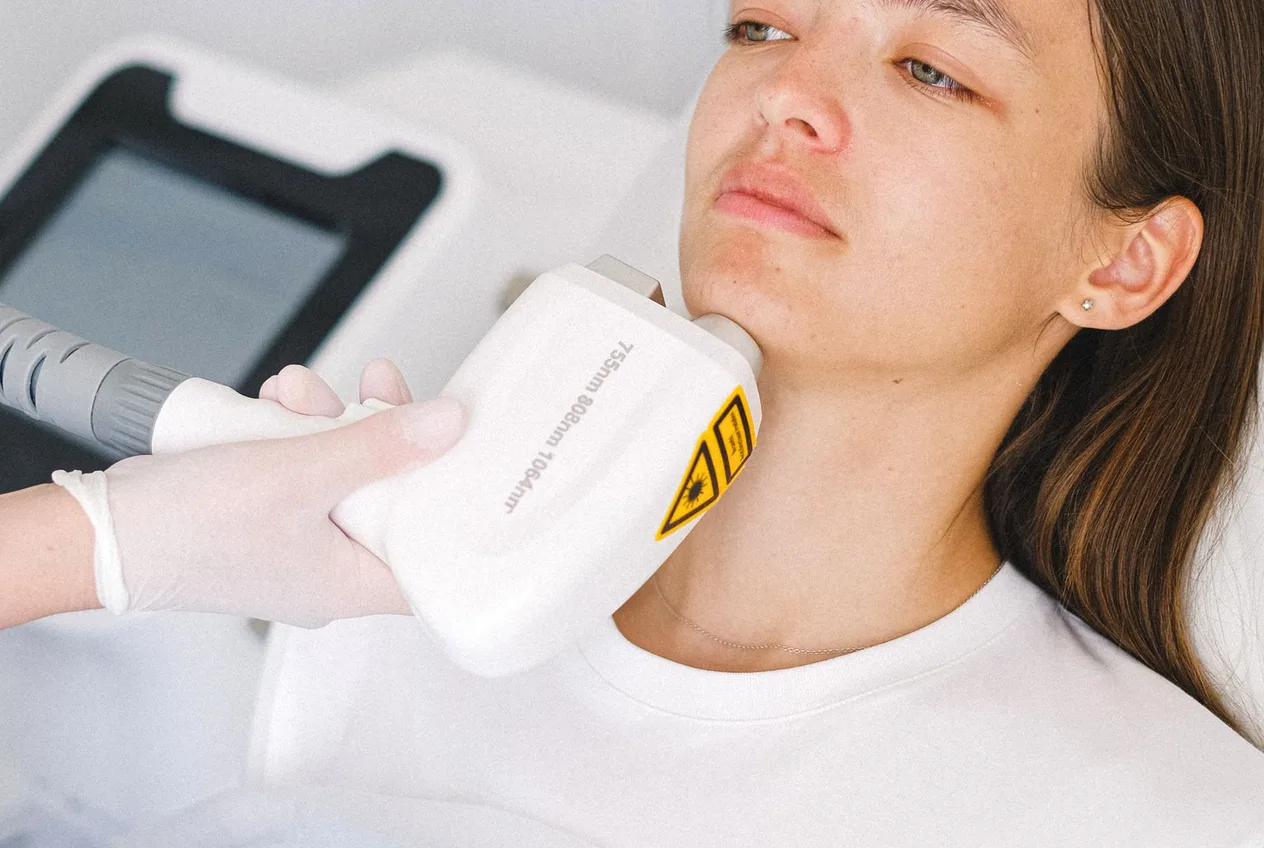
Fractional lasers. Technologies such as Clear + Brilliant® or the fractional CO₂ laser favour the remodelling of collagen and improve texture, scars, visible pores and skin quality.
Radiofrequency with microneedles. In selected patients it can stimulate collagen and improve firmness around the pore.
Medical cosmetics. They can include retinoids, niacinamide, azelaic acid, vitamin C, exfoliating acids, non-comedogenic moisturisers and daily photoprotection.
What results can be expected?
The treatments do not completely eliminate the pores. The objective is to achieve less visibility, better texture, a reduction of excess oil, more uniform skin and greater luminosity.
The results are usually progressive and require maintenance.
What can you do in your daily life?
Clean the skin twice a day with a mild product, use sunscreen daily, avoid very oily cosmetics, do not manipulate blackheads, keep acne under control, use products adapted to your skin type and consult before using aggressive exfoliants.
When to consult?
It is advisable to consult when the pores are very visible, there is associated acne, there is a significant excess of oil, there are scars, cosmetic treatments do not offer results or you want to improve the overall quality of the skin.
Myths and facts
- Myth: Pores open and close. Fact: Pores do not have muscles. What changes is their appearance.
- Myth: Washing the face many times reduces the pores. Fact: Excessive cleaning can irritate the skin and even increase the production of sebum.
- Myth: Ice closes the pores. Fact: It can produce a temporary sensation of firmness, but it does not modify the size of the pore.
- Myth: Pores can be eliminated. Fact: No. They are part of the normal anatomy of the skin.
- Myth: Creams can make the pores disappear completely. Fact: Treatments improve their appearance, but do not eliminate them.
The essential points to remember
- Pores are part of the normal anatomy of the skin.
- They cannot open or close, but their appearance can be reduced.
- Genetics, excess oil and aging are the main causes.
- The control of acne and photoprotection help to prevent their worsening.
- Retinoids, peels, microneedling and lasers are effective treatments.
- The objective is to improve the overall quality of the skin and achieve natural results.
Frequently asked questions
Are enlarged pores hereditary?
Yes. Genetics is the main factor that determines their size.
Does oily skin have more pores?
Not necessarily more, but they are usually much more visible.
Does acne worsen the pores?
Yes. Repeated inflammation can favour their dilation.
Are the treatments definitive?
No. Aging and the activity of the sebaceous glands continue, so maintenance treatments are usually recommended.
What is the most effective treatment?
It depends on the cause. Retinoids, fractional lasers and microneedling offer very good results in many patients.
Does makeup worsen the pores?
Only some very occlusive cosmetics. There are currently non-comedogenic makeups suitable for oily skin.
Does photoprotection help?
Yes. It reduces sun damage and helps to preserve the collagen that surrounds the pores.
Can they improve with age?
In general the opposite occurs. The loss of collagen usually makes them more visible over time.
Do men also present enlarged pores?
Yes. They are often even more evident due to a greater production of sebum.
Can several treatments be combined?
Yes. The combination of medical cosmetics, peels, microneedling and laser usually offers the best results.
Need personalised guidance?
This guide is for information only and does not replace a medical consultation. For an assessment tailored to your case, you may request a consultation.
Request a consultation