Gut microbiota and skin health
The gut-skin axis

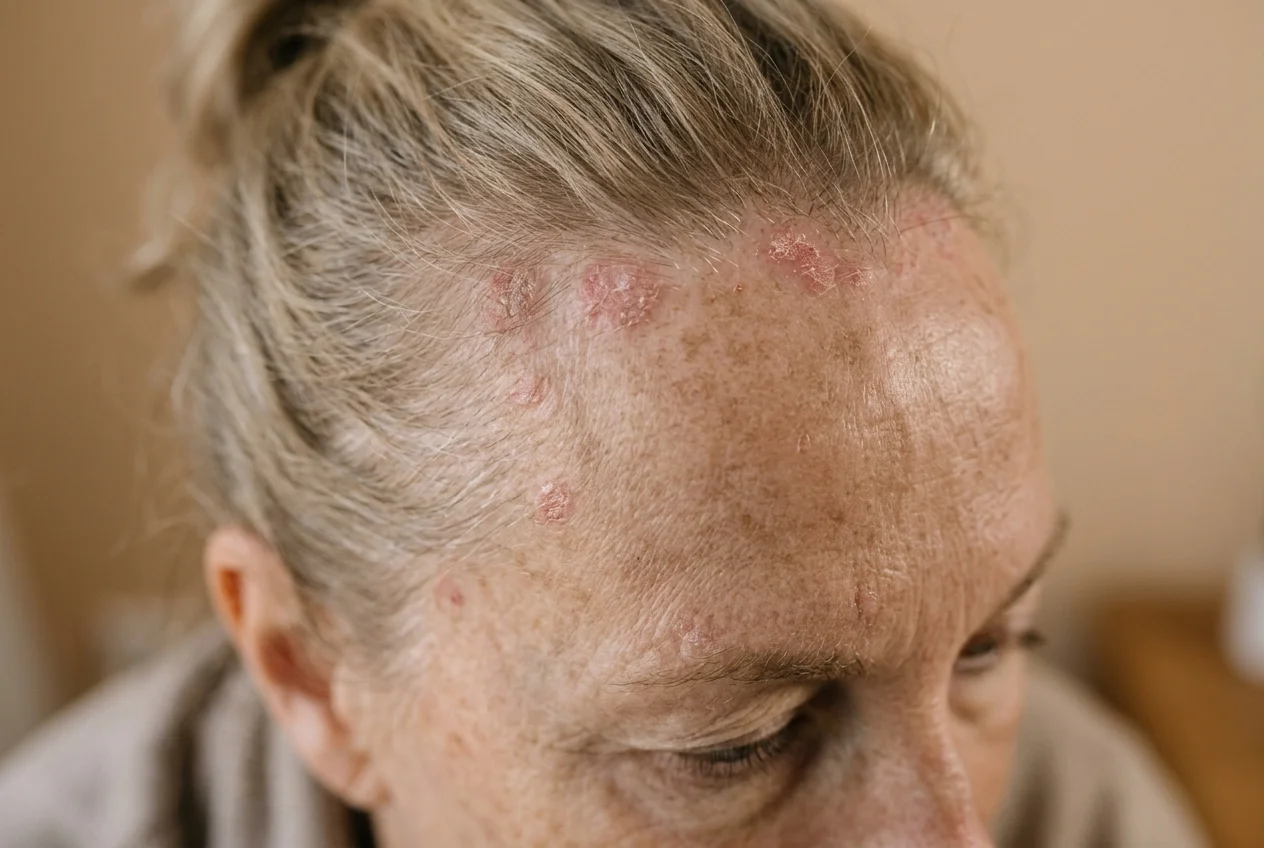
The gut microbiota influences the immune system and participates in the communication between the gut and the skin. A balanced diet and a healthy lifestyle favour a diverse microbiota, although skin diseases are multifactorial and require an individualised medical approach.
What is the gut microbiota?
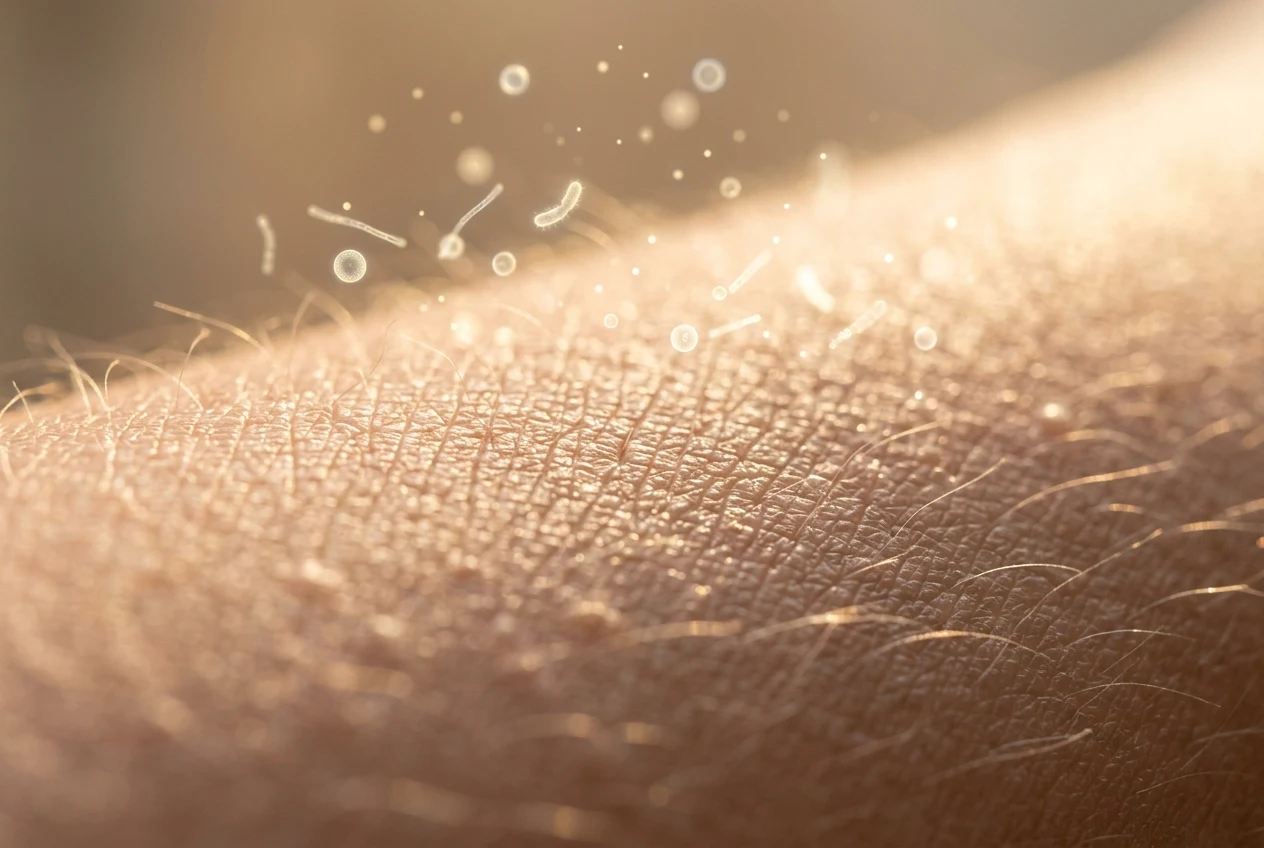
The gut microbiota is the set of billions of microorganisms that live naturally in our intestine.
It is formed mainly of bacteria, although it also includes viruses, fungi and other microorganisms that coexist in balance with our organism.
Far from being harmful, most perform essential functions for our health.
What relation exists between the gut and the skin?
For many years the gut and the skin were considered independent organs.
Today we know that both are closely related through what is known as the gut-skin axis.
This axis implies a continuous communication between:
- The gut microbiota.
- The immune system.
- Metabolism.
- The nervous system.
- The skin.
Therefore, intestinal alterations can influence certain skin diseases.
What functions does a healthy microbiota perform?
A balanced microbiota helps to:
- Regulate the immune system.
- Maintain the integrity of the intestinal barrier.
- Produce beneficial vitamins and metabolites.
- Favour digestion.
- Protect against pathogenic microorganisms.
- Modulate the organism's inflammation.
All this can have an indirect impact on skin health.
What is dysbiosis?
Dysbiosis is an alteration of the normal balance of the microbiota.
It does not simply mean having «bad bacteria», but a loss of diversity and an abnormal functioning of the intestinal ecosystem.
It can favour an exaggerated inflammatory response in predisposed people.
How can the gut influence the skin?
There are several mechanisms:
- Regulation of the immune system.
- Production of anti-inflammatory metabolites.
- Modulation of systemic inflammation.
- Influence on the intestinal barrier.
- Communication with the nervous system.
These mechanisms help to explain why some patients present skin improvement when they improve their gut health.
Are there tests to study the microbiota?
Numerous microbiota analyses are currently marketed.
However, most of these tests do not yet have a clearly demonstrated clinical usefulness for the diagnosis or the routine treatment of skin diseases.
Therefore, the main scientific societies do not recommend their systematic use.
How to take care of the microbiota?
Scientific evidence mainly supports:
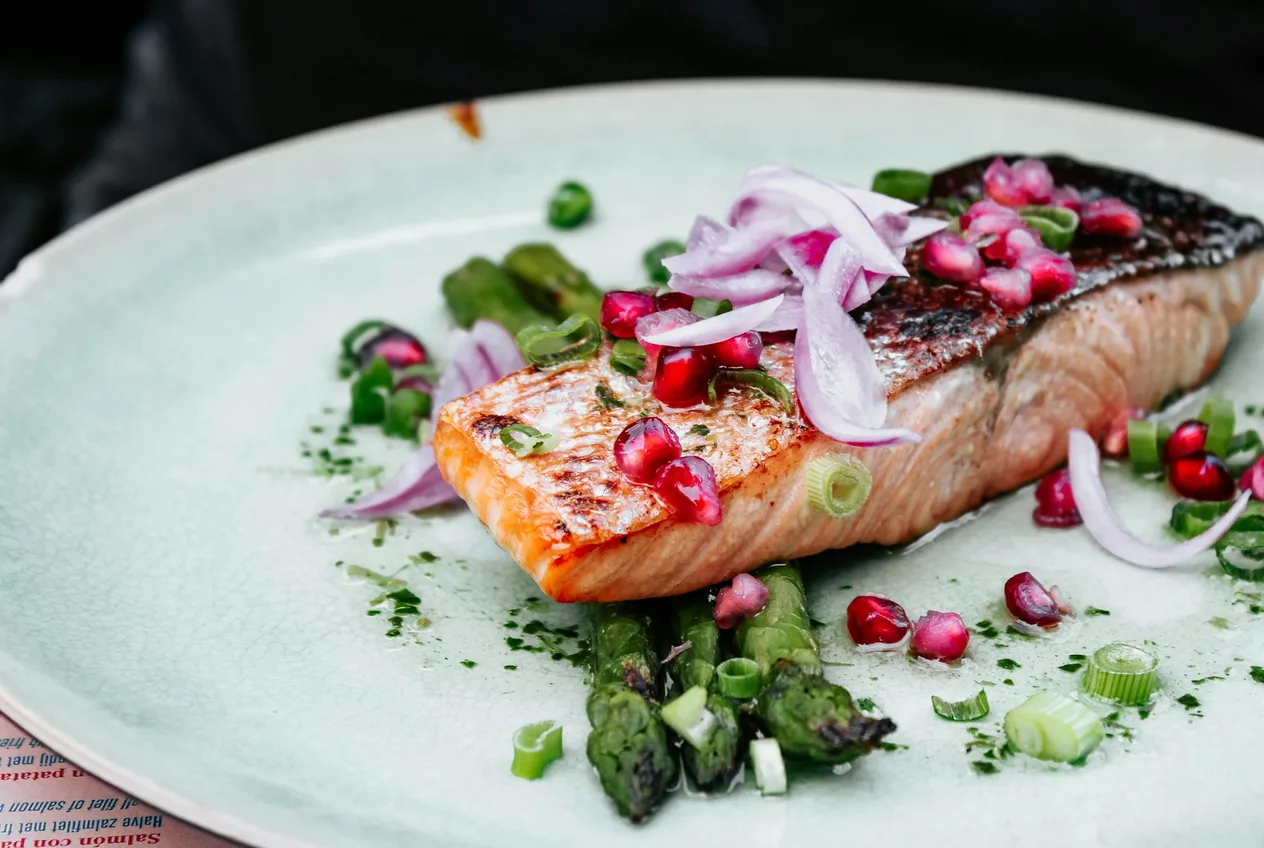
- Mediterranean diet.
- Abundant consumption of fruits and vegetables.
- Foods rich in fibre.
- Legumes.
- Nuts.
- Whole grains.
- Regular physical activity.
- Sleeping adequately.
- Reducing stress.
- Avoiding smoking.
- Avoiding the unnecessary use of antibiotics.
There is no single «diet for the microbiota».
What matters is maintaining a varied diet rich in plant foods.
Do probiotics work?
Some probiotics have shown promising results in certain diseases.
However:
- The effects depend on the strain used.
- Not all probiotics are the same.
- Not all patients respond the same.
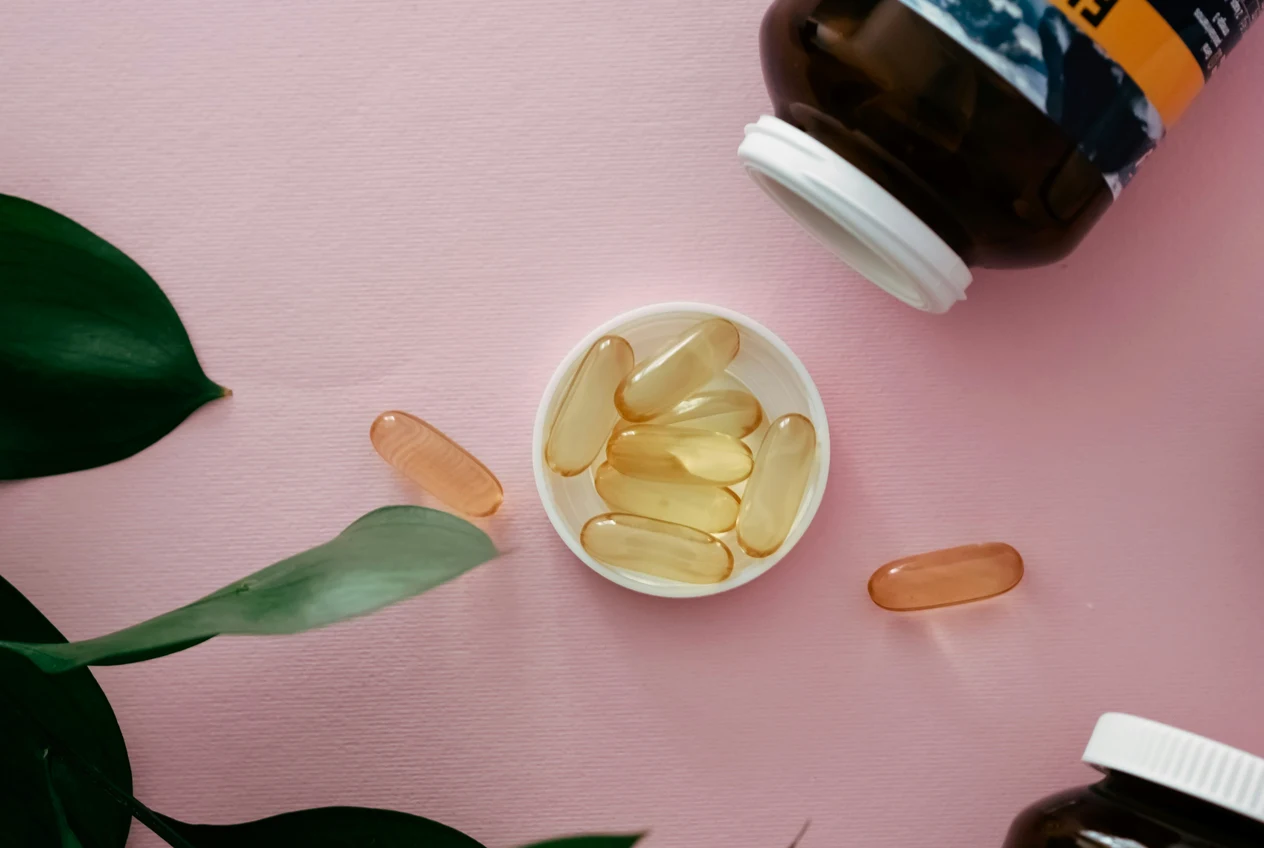
Currently a universal probiotic cannot be recommended to improve the skin.
And prebiotics?
Prebiotics are fibres that serve as food for the beneficial bacteria.
Their consumption through a diet rich in vegetables constitutes one of the best strategies to maintain a healthy microbiota.
Can a skin disease be cured by treating only the gut?
No.
Although the gut-skin axis is a biological reality, no skin disease should be approached exclusively by means of treatments directed at the microbiota.
The treatment must always be adapted to the diagnosis and combine the necessary measures in each patient.
Myths and facts
- Myth: All skin diseases originate in the gut. Fact: The microbiota can influence, but skin diseases are multifactorial.
- Myth: A microbiota analysis identifies the cause of any skin problem. Fact: Currently these studies have very limited clinical indications.
- Myth: We all need probiotics. Fact: Most people obtain greater benefits through a healthy diet.
- Myth: Probiotics cure acne. Fact: Some strains could be useful as a complement, but the evidence is still limited.
- Myth: Diet does not influence the microbiota. Fact: Diet is one of the main factors that determine its composition.
The essential points to remember
- The gut microbiota plays an important role in the regulation of the immune system.
- There is a demonstrated communication between the gut and the skin, known as the gut-skin axis.
- Skin diseases are multifactorial and the microbiota is only one of the factors involved.
- The Mediterranean diet and a healthy lifestyle constitute the best tools to take care of the microbiota.
- There is no universal probiotic or microbiota analysis indicated for all patients.
- The treatment of skin diseases must always be individualised and based on scientific evidence.
Frequently asked questions
What is the gut-skin axis?
It is the communication between the gut microbiota, the immune system and the skin.
Does the microbiota influence acne?
Yes, it probably participates as one of the multiple factors involved.
Do probiotics improve rosacea?
Some research is promising, but there are not yet general recommendations.
Should I have a microbiota study?
In most patients with skin diseases it is not routinely indicated.
What is the best diet to take care of the microbiota?
A Mediterranean diet rich in fibre, fruits, vegetables and little-processed foods.
Do antibiotics affect the microbiota?
Yes. That is why they should only be used when indicated.
Does stress influence the microbiota?
Yes. There is a close relation between the nervous system and the gut microbiota.
Can the microbiota influence atopic dermatitis?
Probably yes, although it is not the only cause of the disease.
Are prebiotics better than probiotics?
They are neither better nor worse; they perform different functions and many people obtain enough prebiotics through diet.
Can my skin improve if I improve my gut health?
In some patients it can contribute to a more favourable evolution, always within an integral treatment.
Need personalised guidance?
This guide is for information only and does not replace a medical consultation. For an assessment tailored to your case, you may request a consultation.
Request a consultationTopics