Diet and rosacea
Foods that can trigger the flares
Diet can influence rosacea in some people. Identifying individual triggers such as alcohol, spiciness or very hot drinks and following a balanced diet can help to control the flares together with medical treatment.
Can diet influence rosacea?
Yes. In many people with rosacea, certain foods or drinks can trigger or aggravate the episodes of redness (flushing), the sensation of heat or the inflammatory flares.
However, there is no diet that cures rosacea nor do all patients react the same way.
Therefore, the objective is not to eliminate foods indiscriminately, but to identify those that can act as triggers in each person.
What is rosacea?
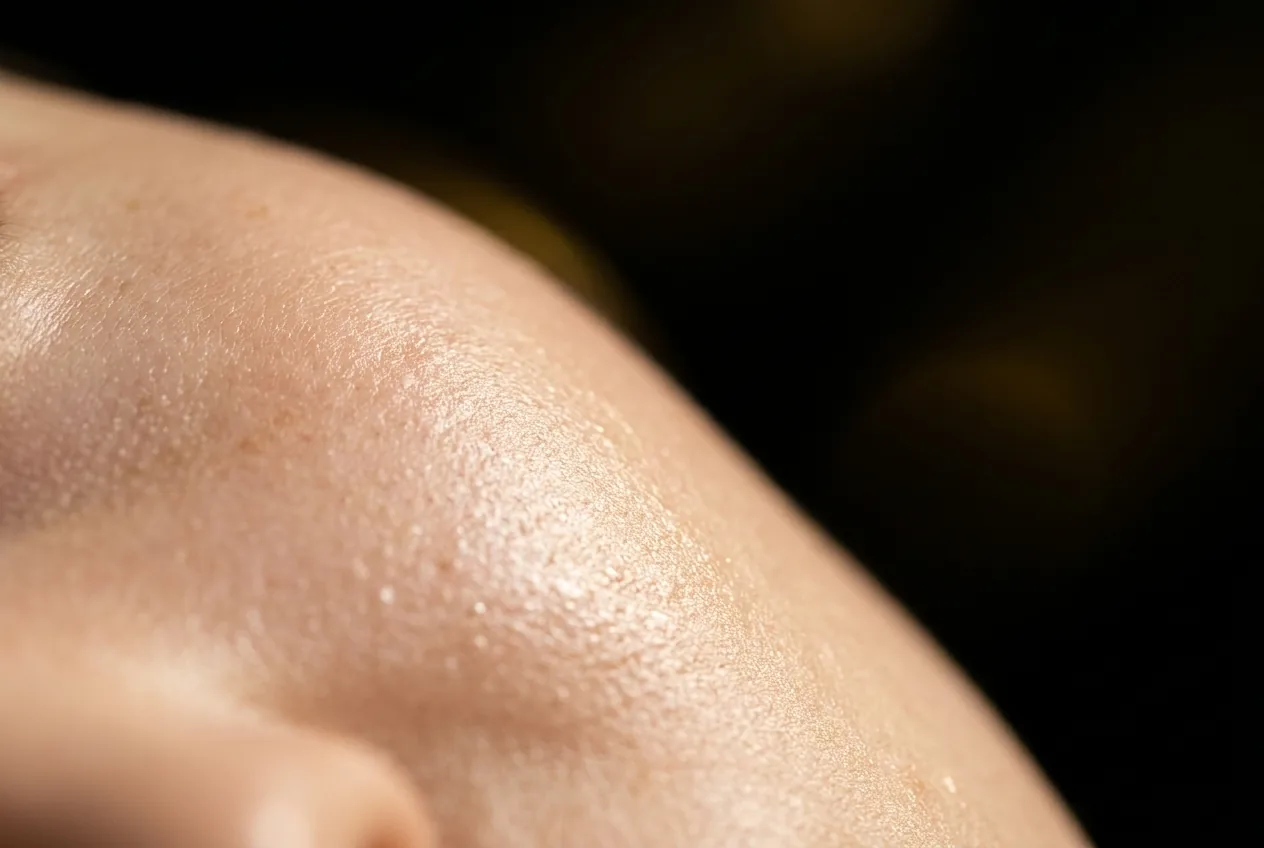
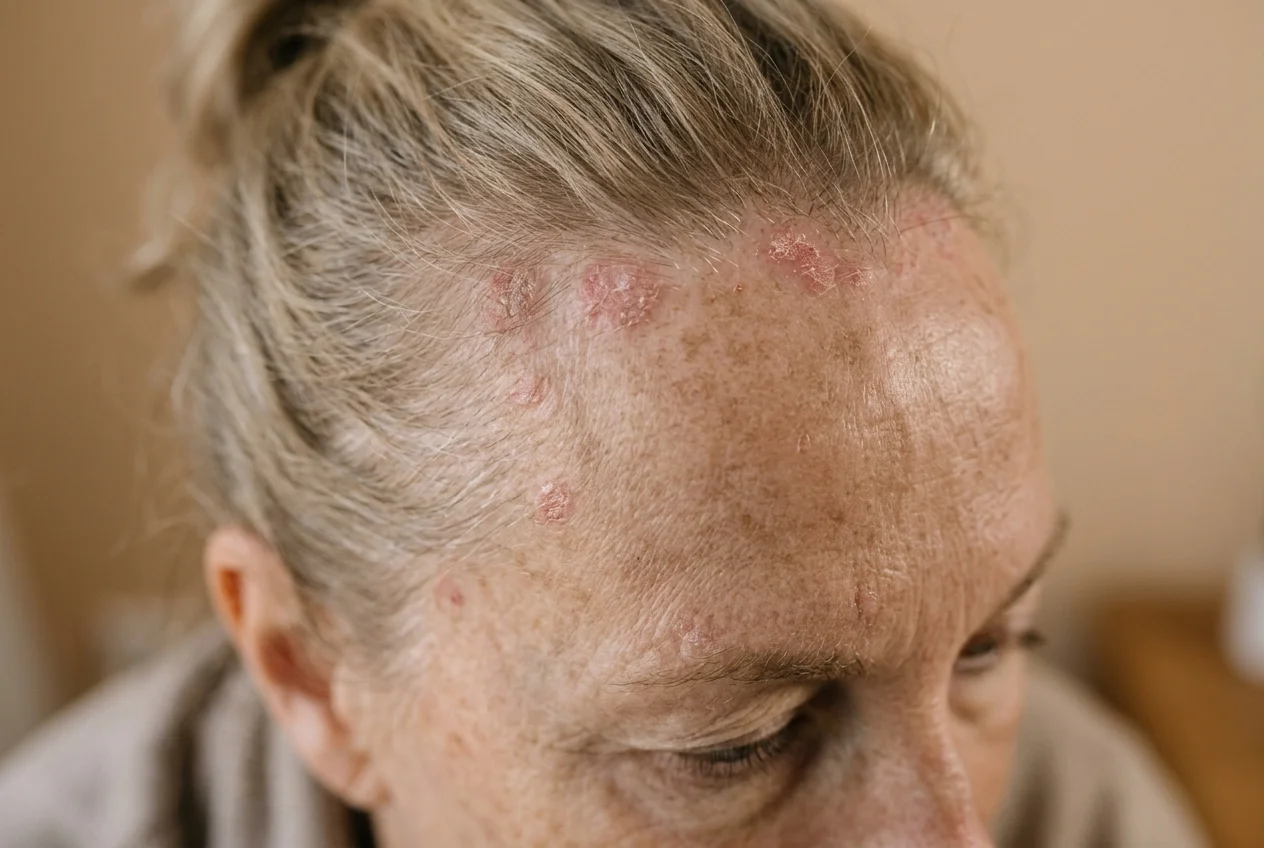
Rosacea is a chronic inflammatory disease of the skin that mainly affects the centre of the face.
It can manifest through:
- Persistent redness.
- Episodes of intense flushing.
- Visible blood vessels.
- Papules and pustules.
- Sensation of burning or stinging.
- Greater skin sensitivity.
Its evolution usually alternates periods of improvement and flares.
Why do some foods trigger a flare?
Many dietary triggers favour the dilation of the blood vessels of the skin or stimulate certain inflammatory pathways.
In predisposed people this can translate into:
- Greater redness.
- Sensation of heat.
- Worsening of the symptoms.
- Appearance of new flares.
The intensity of this response varies considerably between patients.
Which foods can act as triggers?
The most frequent are:
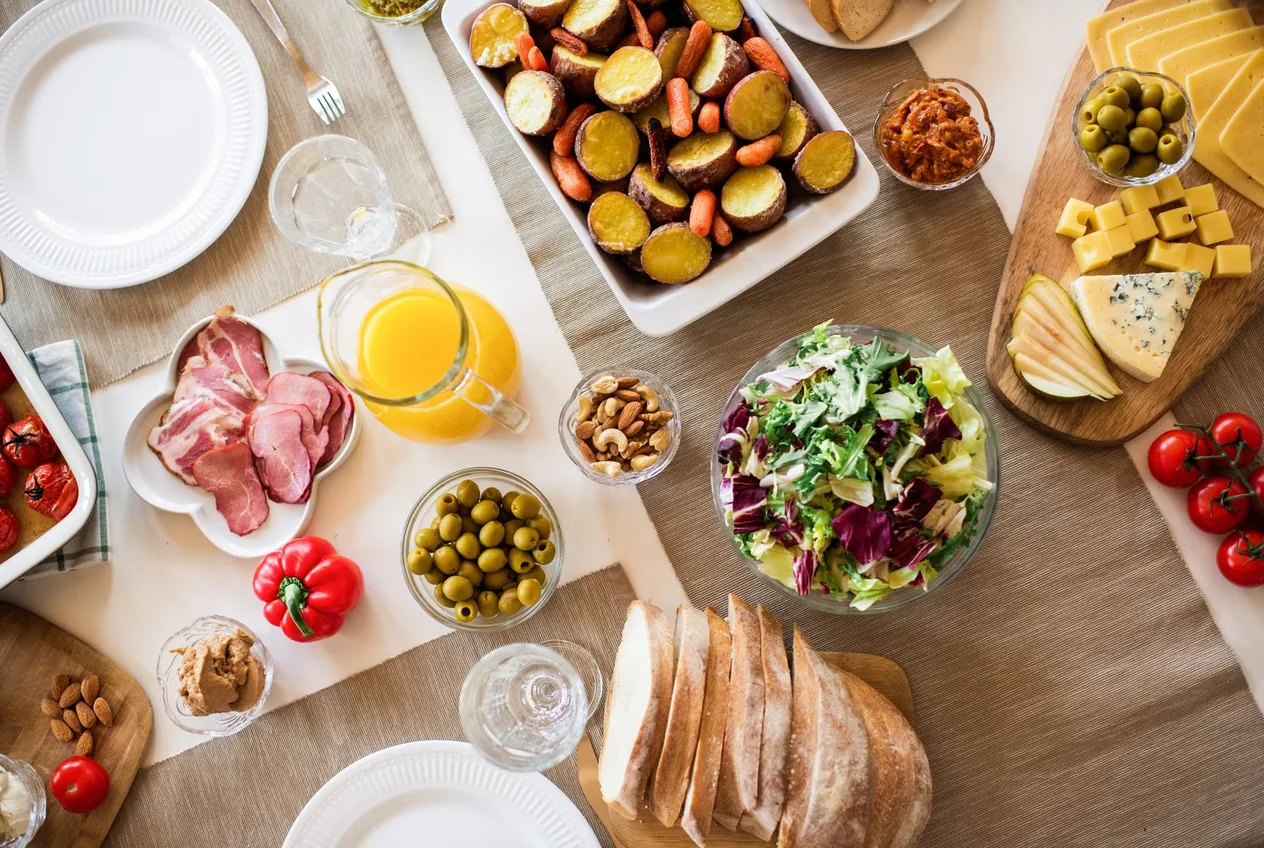
Alcoholic drinks. Especially red wine, spirits and some fermented drinks. Not all people react the same way.
Very hot drinks. Coffee, infusions or any drink consumed at very high temperatures can favour flushing. Frequently the temperature has more influence than the drink itself.
Very spicy foods. Spiciness is one of the best-known triggers of rosacea. It can provoke an intense vasodilation in sensitive patients.
Very hot foods. Meals served at very high temperatures can also favour facial redness.
Are there other possible triggers?
Some patients identify a relation with:
- Chocolate.
- Cinnamon.
- Tomato.
- Citrus fruits.
- Vinegar.
- Certain cured cheeses.
However, the scientific evidence is limited and these associations do not appear in all patients.
Is it necessary to eliminate all these foods?
No.
The current recommendation consists of identifying the individual triggers.
Eliminating foods without reason can make the diet unnecessarily restrictive and difficult to maintain.
Can the Mediterranean diet help?
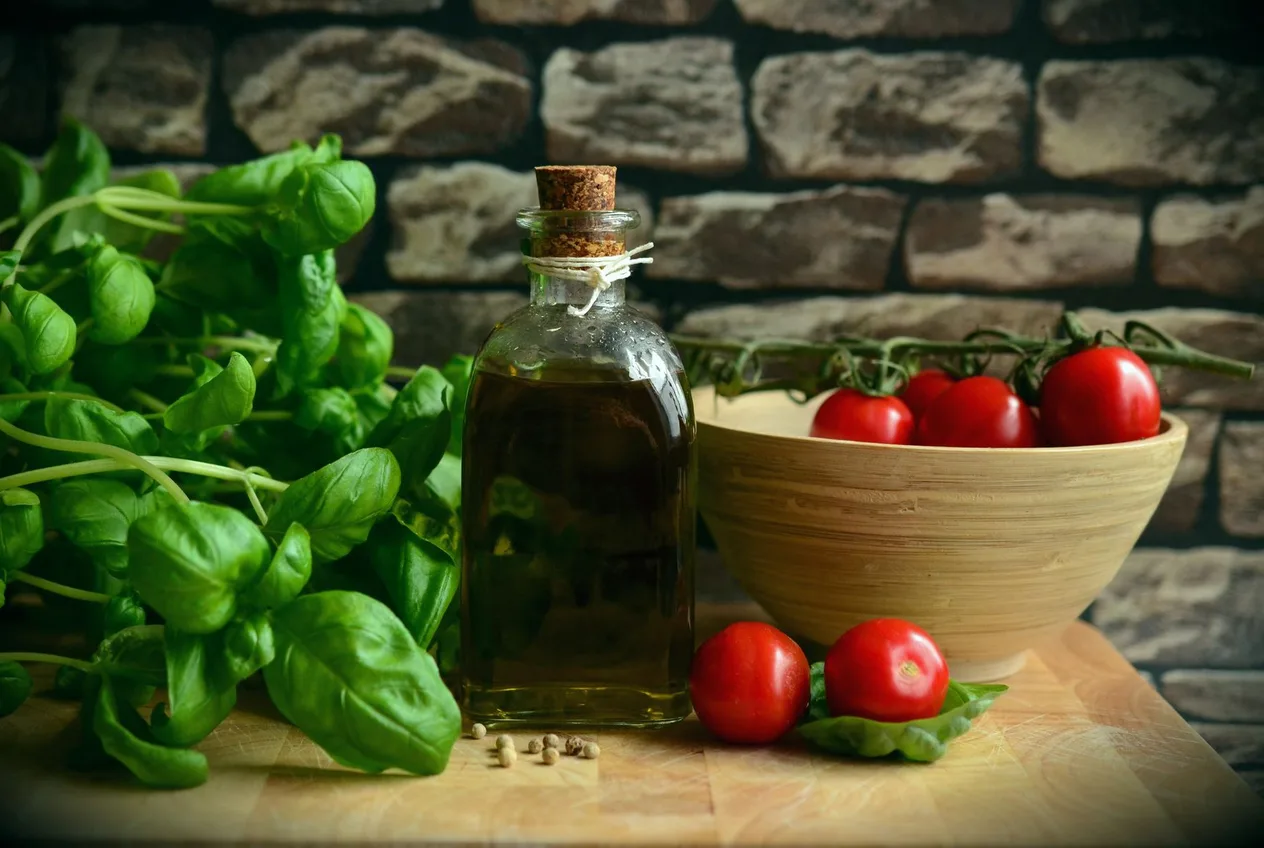
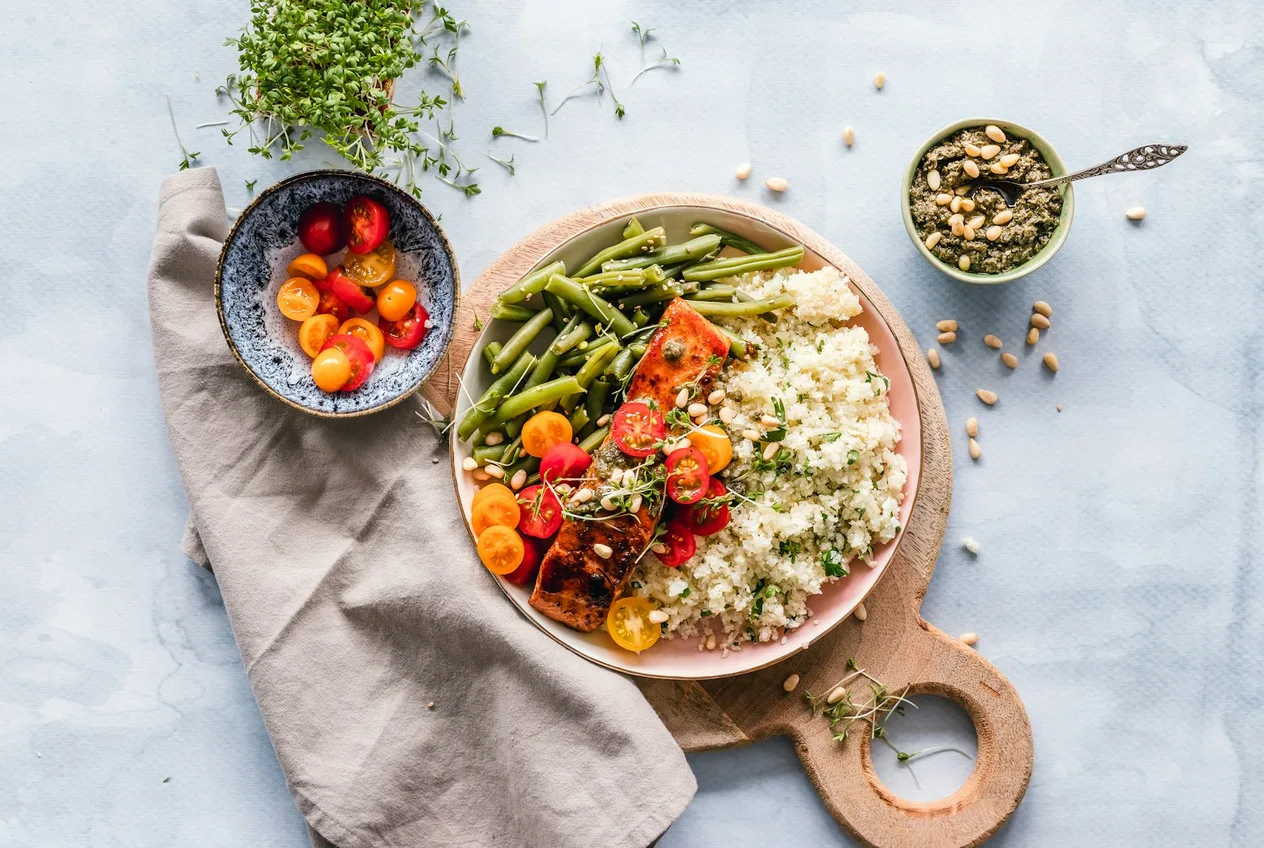
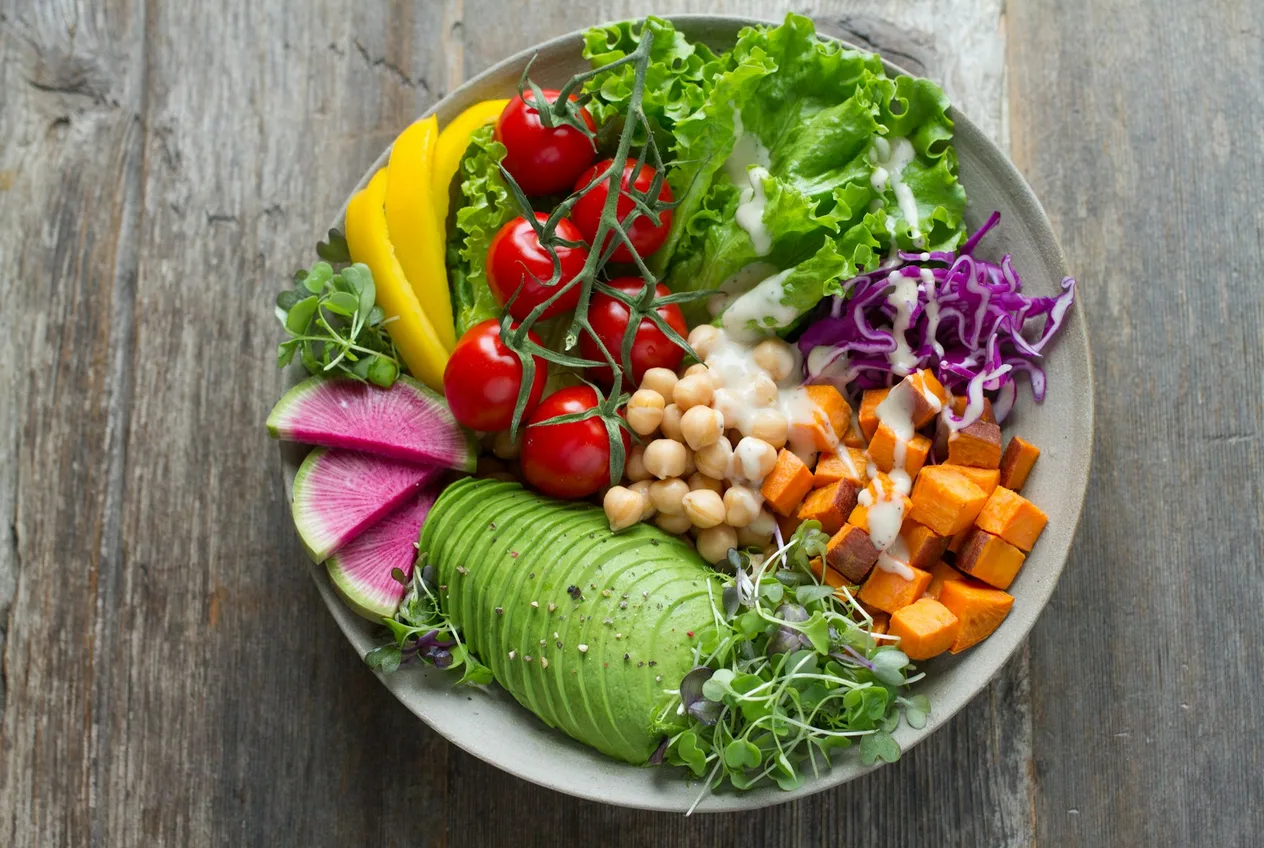
Yes. Although it does not cure rosacea, the Mediterranean diet favours a healthy nutritional pattern, rich in:
- Vegetables.
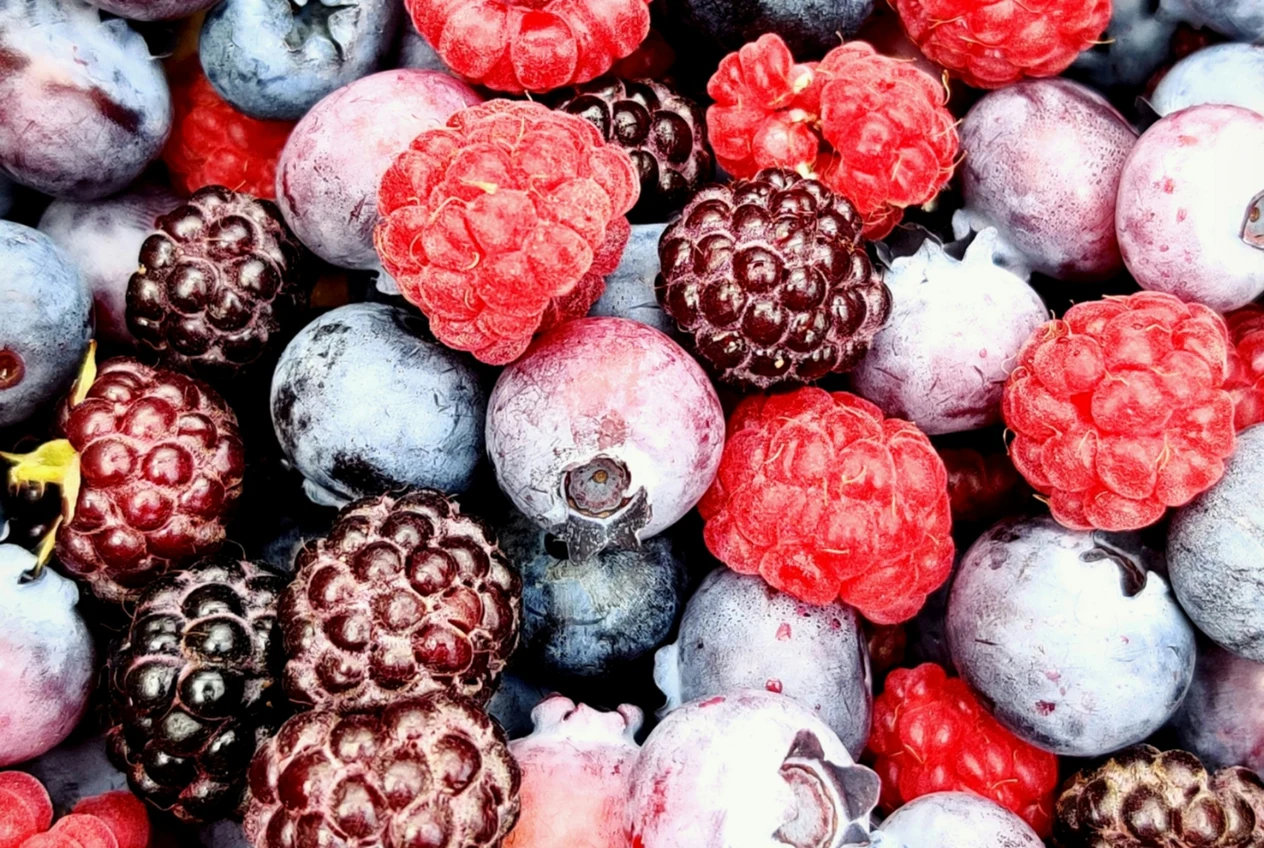
- Fruits.
- Legumes.
- Extra virgin olive oil.
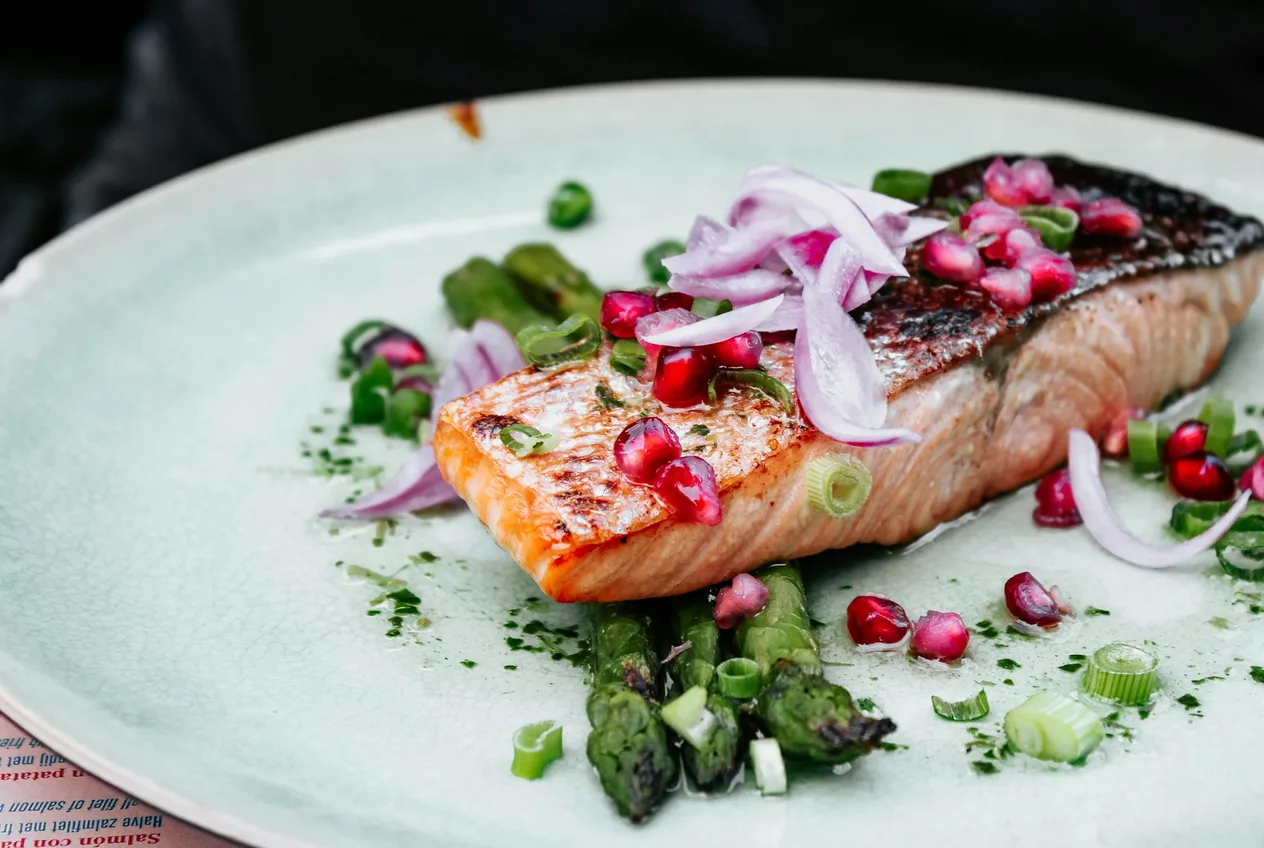
- Fish.
- Natural nuts.
This type of diet can contribute to decreasing the general inflammation of the organism.
What role does the intestinal microbiota play?
In recent years the possible relation between the intestinal microbiota and rosacea has been researched.
Although some studies suggest a connection between the two, there is still not enough evidence to recommend a specific nutritional strategy based on the microbiota for all patients.
Can probiotics help?
Research continues to advance.
Some studies show promising results, but currently there are no universal recommendations to use probiotics in all patients with rosacea.
Which habits can be beneficial?
Many people improve when they:
- Identify their personal triggers.
- Maintain a balanced diet.
- Avoid excessively hot meals.
- Reduce alcohol consumption if they observe a relation.
- Maintain good hydration.
- Control stress.
Does diet replace medical treatment?
No.
Diet constitutes a complement to the treatment.
The control of rosacea usually also requires:
- Specific skin care.
- Daily photoprotection.
- Topical treatments when they are indicated.
- Oral medication in some patients.
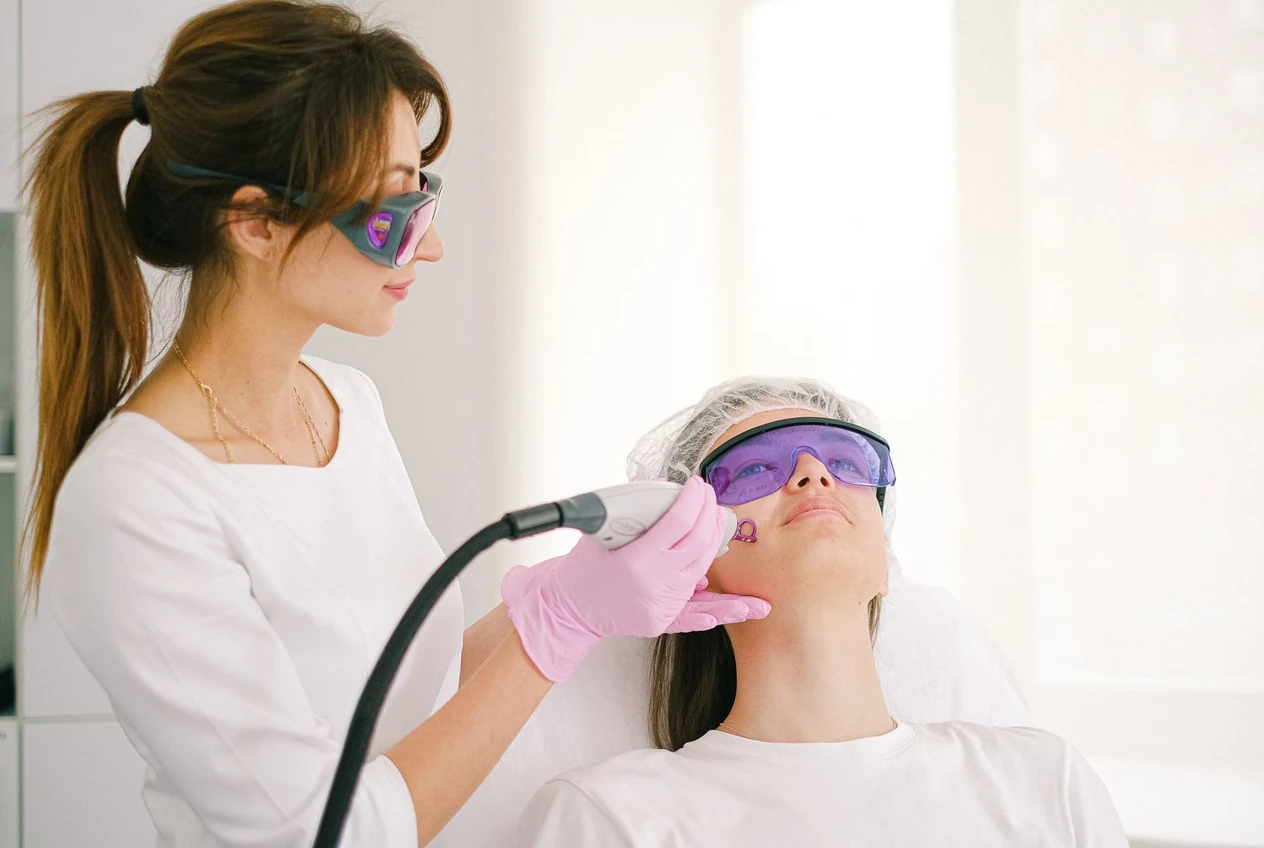
- Technologies such as IPL or certain lasers to treat the vascular component, when appropriate.
Myths and facts
- Myth: All patients with rosacea should stop coffee. Fact: In many cases the problem is the temperature of the drink and not the coffee itself.
- Myth: Wine always worsens rosacea. Fact: It can be a frequent trigger, but it does not affect all people equally.
- Myth: There is a diet that cures rosacea. Fact: Currently there is no diet capable of curing the disease.
- Myth: All spicy foods are forbidden. Fact: They should only be avoided when they trigger symptoms in that specific patient.
- Myth: Eliminating many foods always improves rosacea. Fact: Unnecessary restrictions can be harmful and do not provide demonstrated benefits.
The essential points to remember
- Diet can influence rosacea, but each patient has different triggers.
- Alcohol, spiciness and very hot drinks are the most frequent triggers.
- There is no diet capable of curing rosacea.
- The Mediterranean diet constitutes a healthy and advisable dietary pattern.
- Identifying the individual triggers is more useful than eliminating numerous foods without reason.
- Diet complements, but does not replace, the medical treatment of rosacea.
Frequently asked questions
Should I stop coffee?
Not necessarily. Some people tolerate coffee perfectly if it is not too hot.
Does alcohol always produce flares?
Not always, although it is one of the most frequent triggers.
Does spiciness worsen rosacea?
In many people yes, but it does not occur in all patients.
Is it useful to keep a food diary?
Yes. It can help to identify the personal triggers.
Are probiotics advisable?
There is still not enough evidence to recommend them systematically.
Should I eliminate tomato or citrus fruits?
Only if you observe a clear and repeated relation between their consumption and the flares.
Can the Mediterranean diet help?
Yes. It is one of the healthiest dietary patterns and can favour a less inflammatory environment.
Does diet replace medical skin treatment?
No. Both are complementary strategies.
Is hydration important?
Yes. Maintaining adequate hydration is part of a healthy lifestyle.
Who can guide me on my diet?
The doctor specialised in skin health and, when necessary, a nutritionist can help you to identify the triggers and design a personalised plan.
Need personalised guidance?
This guide is for information only and does not replace a medical consultation. For an assessment tailored to your case, you may request a consultation.
Request a consultationTopics