Brittle nails (onychoschizia and onychorrhexis)
Fragile nails that break: causes and treatment
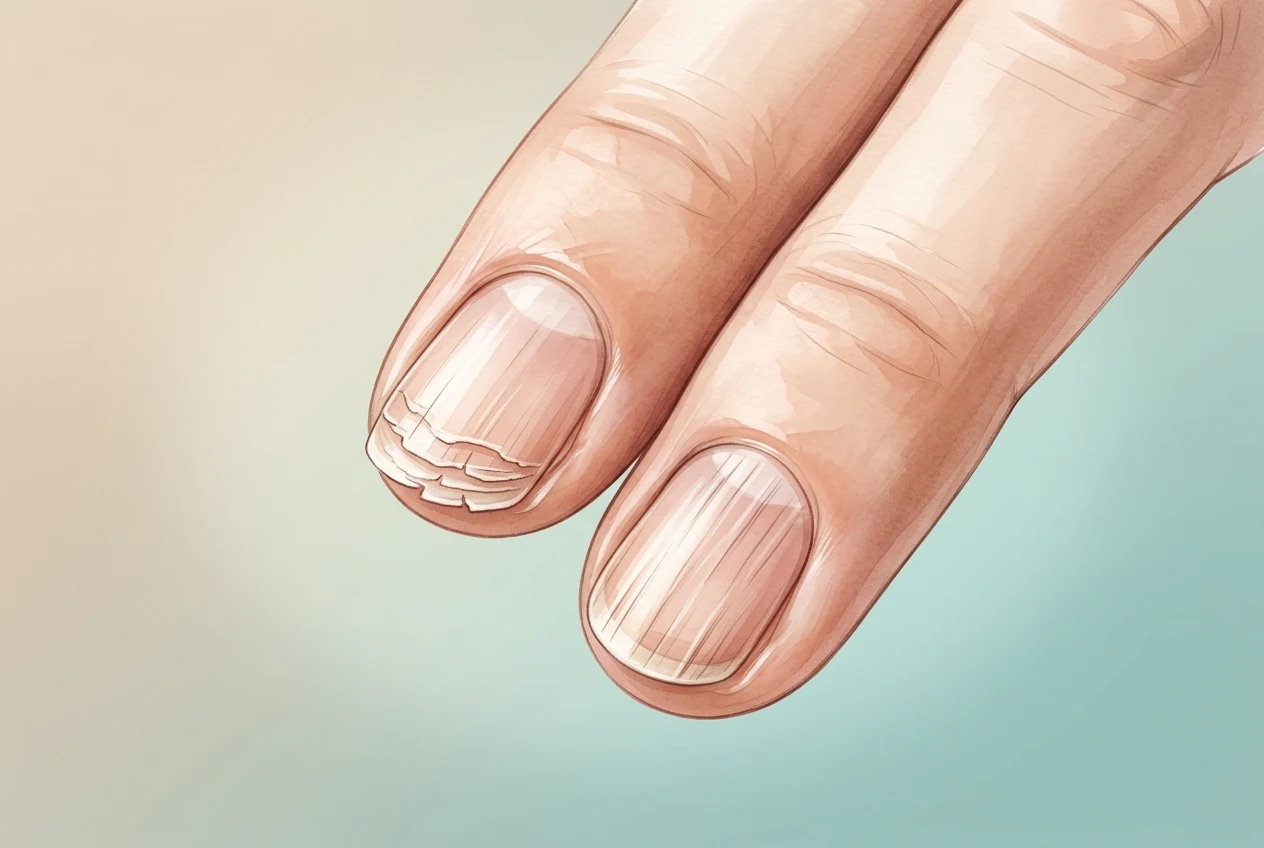
Brittle nails are a frequent alteration that causes breakage, flaking and fragility. Learn their causes, how they are diagnosed and which are the best treatments and care to recover healthy nails.
What are brittle nails?
Brittle nails are a very frequent problem in which the nails lose part of their resistance and become fragile, breaking, flaking or cracking easily. Although on many occasions it is a purely cosmetic problem, on others it can be the first sign of a skin disease or a general medical problem.
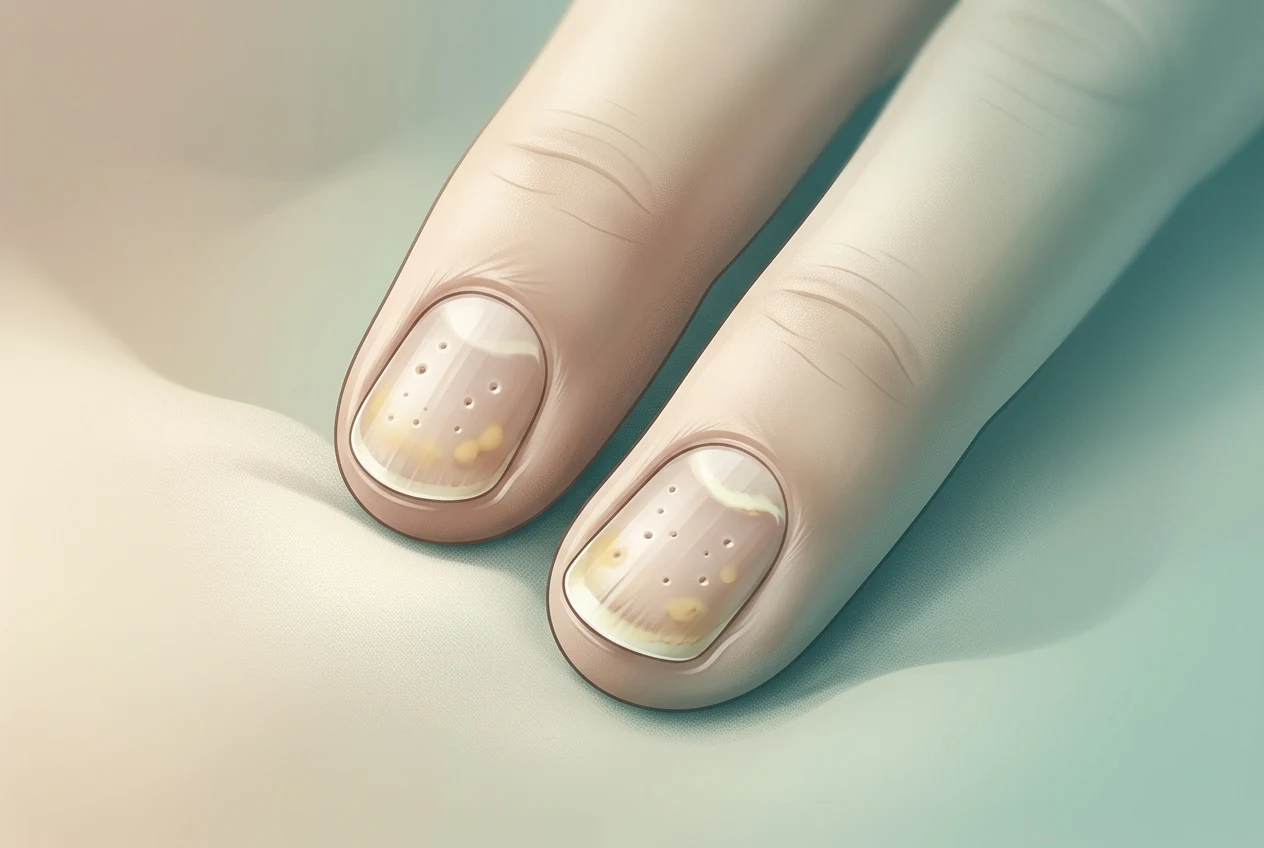
There are two main forms. Onychoschizia is the separation of the layers of the nail, which flakes in laminae, especially at the free edge. Onychorrhexis is the appearance of longitudinal grooves and fissures that run along the nail from the base to the tip. Both can coexist in the same person.
Why do they appear?
The causes are very varied.
Aging. Over the years, the nails lose part of their hydration and elasticity, so the fragility increases progressively.
Repeated contact with water and chemical products. It is one of the most frequent causes. The repeated contact with water, soaps, detergents, cleaning products and solvents favors the dehydration of the nail.
Repeated trauma. Very frequent manicures, the aggressive removal of semi-permanent polish, gel or acrylic nails, the continued use of acetone and repeated microtrauma can also influence.
Nutritional deficiencies. In some patients they can be associated with a deficiency of iron, zinc, proteins or B-group vitamins. These situations are less frequent than usually believed.
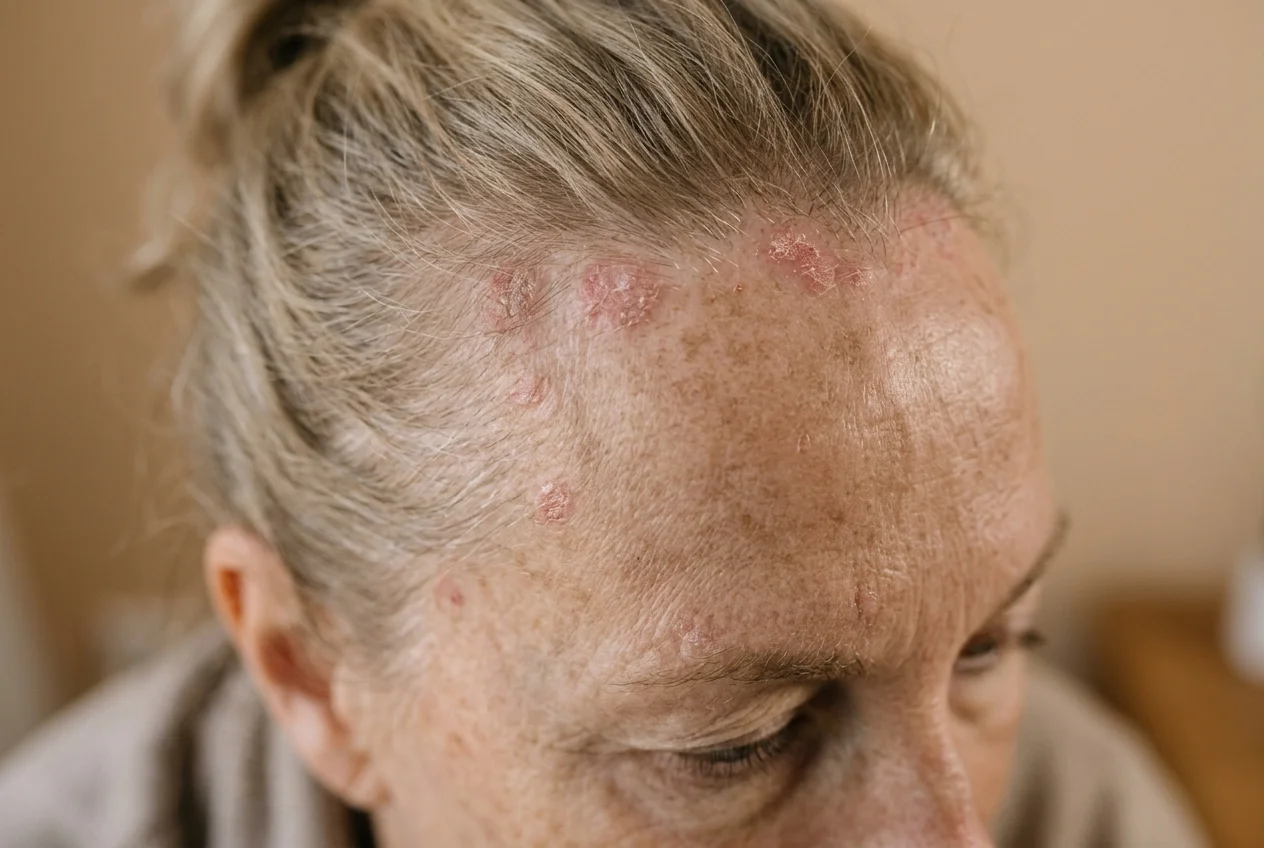
Diseases. Brittle nails can also appear in patients with psoriasis, atopic dermatitis, lichen planus, thyroid alterations, systemic diseases and some fungal infections.
What are the symptoms?
The most usual symptoms are nails that break easily, flaking in layers, longitudinal cracks, irregular edges, difficulty in growing the nails and a feeling of thin and weak nails. They generally do not produce pain, except when the fissures reach deeper layers.
How is the diagnosis made?
The diagnosis begins with a detailed clinical history. The doctor will assess the time of evolution, the profession, manicure habits, contact with water or chemical products, usual medication and associated diseases. Afterwards, they will perform an examination of the nails and the skin.
When there are diagnostic doubts, blood tests, a microbiological study if a fungal infection is suspected or other specific tests according to each case may be requested.
What treatments exist?
Treatment depends on the cause.
Protection of the nails. It is the most important measure. It is recommended to use gloves for household tasks, avoid prolonged contact with water and reduce the use of chemical products.
Hydration. The daily application of moisturizing products helps to improve the elasticity of the nail. Creams containing urea, glycerin, lactic acid or ceramides are especially useful. Specific oils for nails and cuticles can also be used.
Treat the underlying disease. When there is a responsible disease, it should be treated specifically, as in psoriasis, lichen planus, onychomycosis or thyroid alterations.
Correct nutritional deficiencies. Only when they are demonstrated through a medical evaluation. Taking supplements systematically is not recommended.
What can you do in your daily life?
Keep the nails short while they recover, file the edges gently, avoid using the nails as a tool, use gloves during household tasks, moisturize nails and cuticles daily, limit the use of acetone-based nail polish removers and space out aggressive manicures.
When should you consult the doctor?
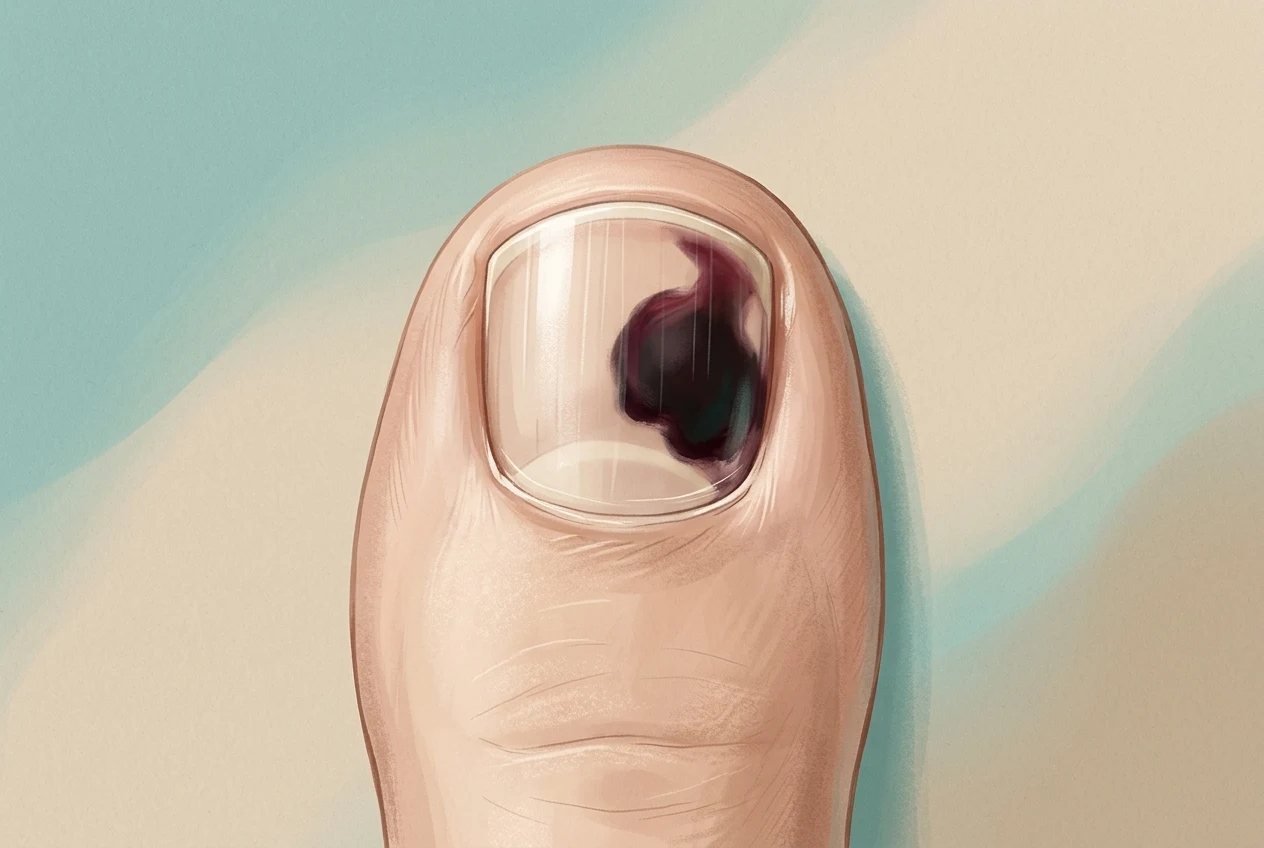
You should consult if the nails break persistently, if only one nail is affected, if color changes appear, if the nail detaches from the finger, if there is pain, if inflammation appears around the nail or if the alterations also affect the hair or the skin.
Myths and facts
- Myth: Brittle nails always mean a lack of calcium. Fact: No. Calcium deficiency is rarely the cause.
- Myth: Gelatin strengthens the nails. Fact: There is no solid scientific evidence demonstrating this effect.
- Myth: Biotin strengthens all nails. Fact: It only seems to be useful in some selected patients. It is not a universal treatment.
- Myth: The nails need to "breathe". Fact: The nails are formed by keratin and do not breathe. However, it is advisable to take breaks between manicures to avoid repeated aggressions.
- Myth: Polish always damages the nails. Fact: The problem is usually more related to the aggressive removal of the polish than to the polish itself.
The essential points to remember
- Brittle nails are a very frequent and usually benign problem.
- The most common cause is the repeated aggression by water, chemical products and manicures.
- They can also be related to skin or systemic diseases.
- Treatment consists of protecting the nails, moisturizing them and correcting the cause when it exists.
- Supplements are only useful when there is a demonstrated deficiency.
- In the face of persistent changes or involvement of a single nail, it is advisable to consult a specialized doctor.
Frequently asked questions
Are brittle nails a disease?
Not always. In many people they are a consequence of aging or repeated aggressions.
Can they become strong again?
Yes. If the cause is eliminated and they are protected adequately, most improve progressively.
How long does a nail take to grow?
Fingernails grow approximately 2 to 3 millimeters a month and take between 4 and 6 months to renew completely. Toenails grow more slowly and can take between 12 and 18 months to renew.
Do I need vitamins?
Only when there is a demonstrated deficiency or a medical indication.
Can I paint my nails?
Yes. It is advisable to use quality products and avoid aggressive removals.
Do hardeners work?
Some can be useful as a complement, although they do not replace the treatment of the cause.
Does water worsen the nails?
The repeated exposure to water followed by drying favors dehydration and fragility.
Can it be due to fungi?
Yes. Some fungal infections can produce fragile and deformed nails.
Is it hereditary?
There is a certain family predisposition in some people.
Does it have a good prognosis?
Yes. In most cases they improve clearly when the cause is identified and corrected.
Need personalised guidance?
This guide is for information only and does not replace a medical consultation. For an assessment tailored to your case, you may request a consultation.
Request a consultationTopics