Trichotillomania
The urge to pull out hair: causes and treatment
Trichotillomania is a disorder characterized by the repetitive impulse to pull out the hair. Learn its causes, how it is diagnosed and the most effective psychological and medical treatments to favor recovery.
What is trichotillomania?
Trichotillomania is a disorder characterized by the repetitive and irresistible impulse to pull out one's own hair or the hair from different parts of the body. It is currently classified within the disorders related to obsessive-compulsive disorder and other related disorders, according to the main international classification systems.
It is not a primary skin problem, but a behavioral disorder that has an important repercussion on the hair and skin. It is a relatively frequent disease, especially in adolescents and young women, although it can appear at any age and also affects men.
It is important to understand that the person does not pull out their hair because they want to be left without hair, but because they experience an impulse that is difficult to control. With an early diagnosis and an adequate treatment, many people manage to improve significantly.
Why does it appear?
The exact cause is unknown. It is believed that several factors are involved: genetic predisposition, psychological factors, alterations in the brain circuits related to impulse control and environmental factors.
In some people the act of pulling out the hair produces a transitory sensation of relief or a decrease in anxiety. In others, the behavior appears automatically while they read, study, work, watch television or use their mobile phone.
Which areas can be affected?
The most frequent locations are the scalp, the eyebrows, the eyelashes, the beard, the pubis, the arms and the legs. Some people pull out the hair from a single area and others from several locations.
What are the symptoms?
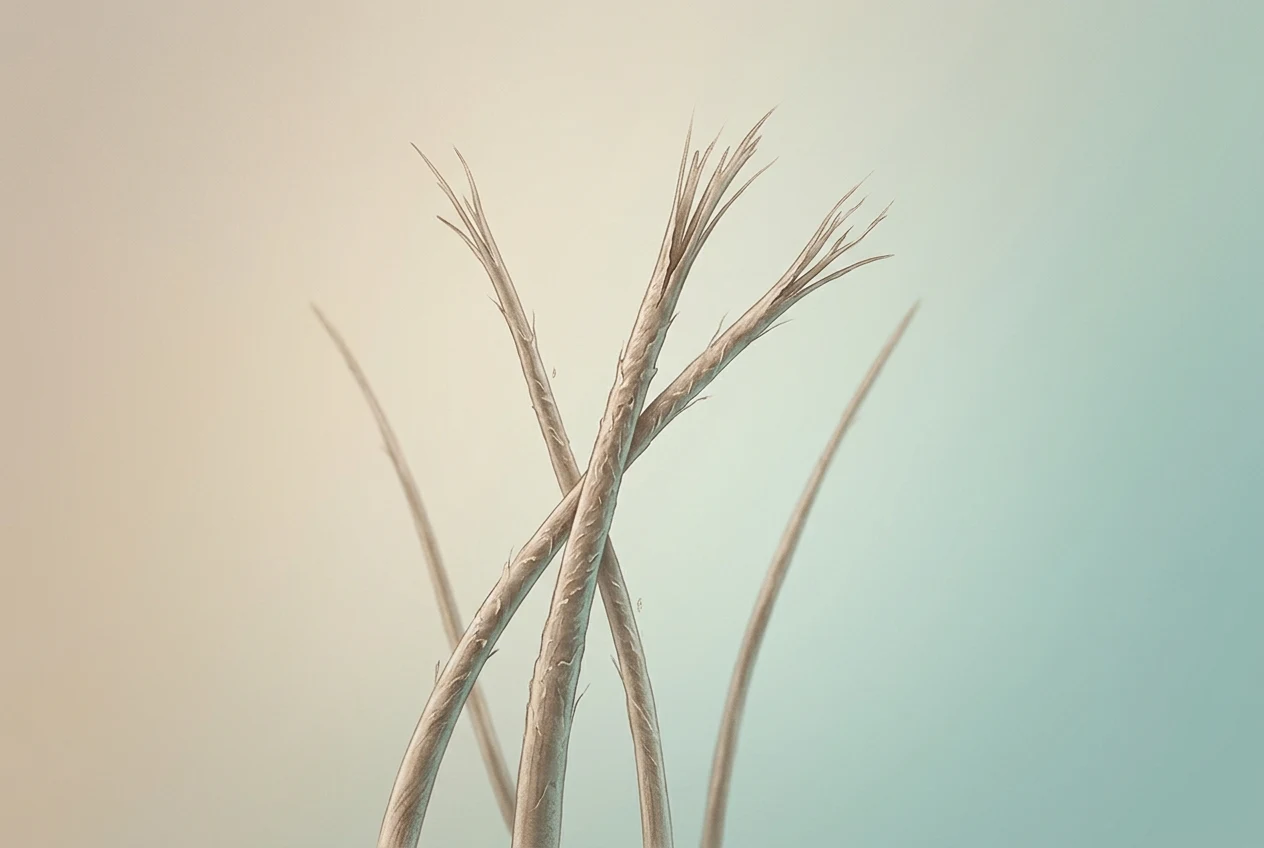
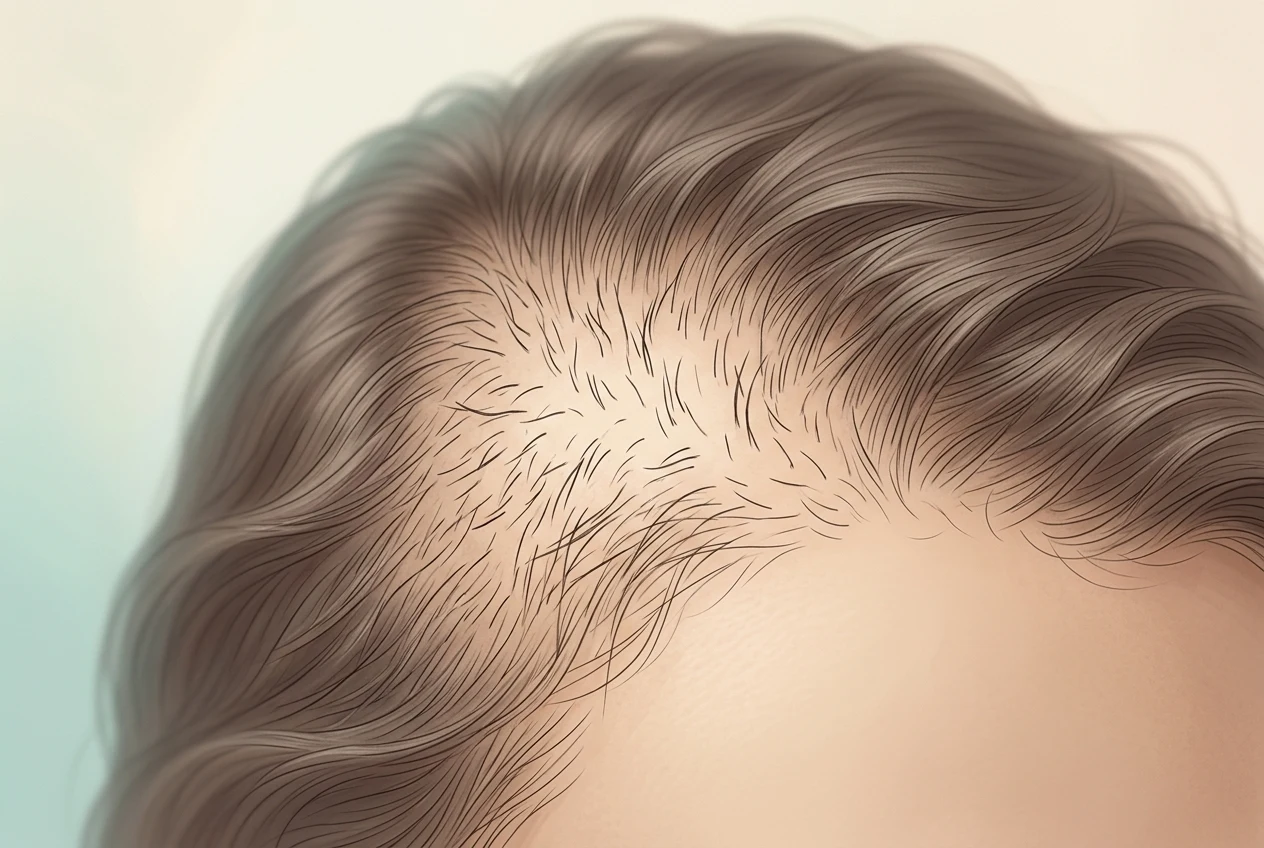
Patients usually present areas with irregular hair loss, hairs of different lengths, broken hairs, decreased density and repeated episodes of pulling.
Many people try to hide the lesions through changes of hairstyle, caps, hats or eyebrow makeup. Some patients are fully aware of the behavior, while others perform it in an almost automatic way.
Can it produce complications?
Yes. The main complications are permanent hair loss when the damage is very prolonged, skin irritation, infrequent local infections, psychological impact, decreased self-esteem and social isolation.
In a small percentage of patients there is also trichophagia, that is, the habit of ingesting the pulled-out hair. In these cases a trichobezoar (accumulation of hair in the stomach) can form, an infrequent but potentially serious complication that may require surgical treatment.
How is the diagnosis made?
The diagnosis is based on the clinical history, the physical examination and trichoscopy. Trichoscopy usually shows hairs broken at different heights, black dots, flame hairs, coiled hairs and different signs characteristic of repeated pulling.
It may sometimes be necessary to differentiate trichotillomania from alopecia areata, scalp ringworm, traction alopecia and scarring alopecias.
What treatments exist?
Treatment is usually multidisciplinary.
Psychological therapy. Cognitive-behavioral therapy, especially Habit Reversal Training, constitutes the first-choice treatment. It helps to identify the triggers, to recognize the impulse before pulling out the hair and to replace the behavior with alternative responses.
Psychiatric treatment. When there is anxiety, depression, obsessive-compulsive disorder or other associated disorders, an evaluation by a psychiatrist may be necessary. In some patients specific medications can be used.
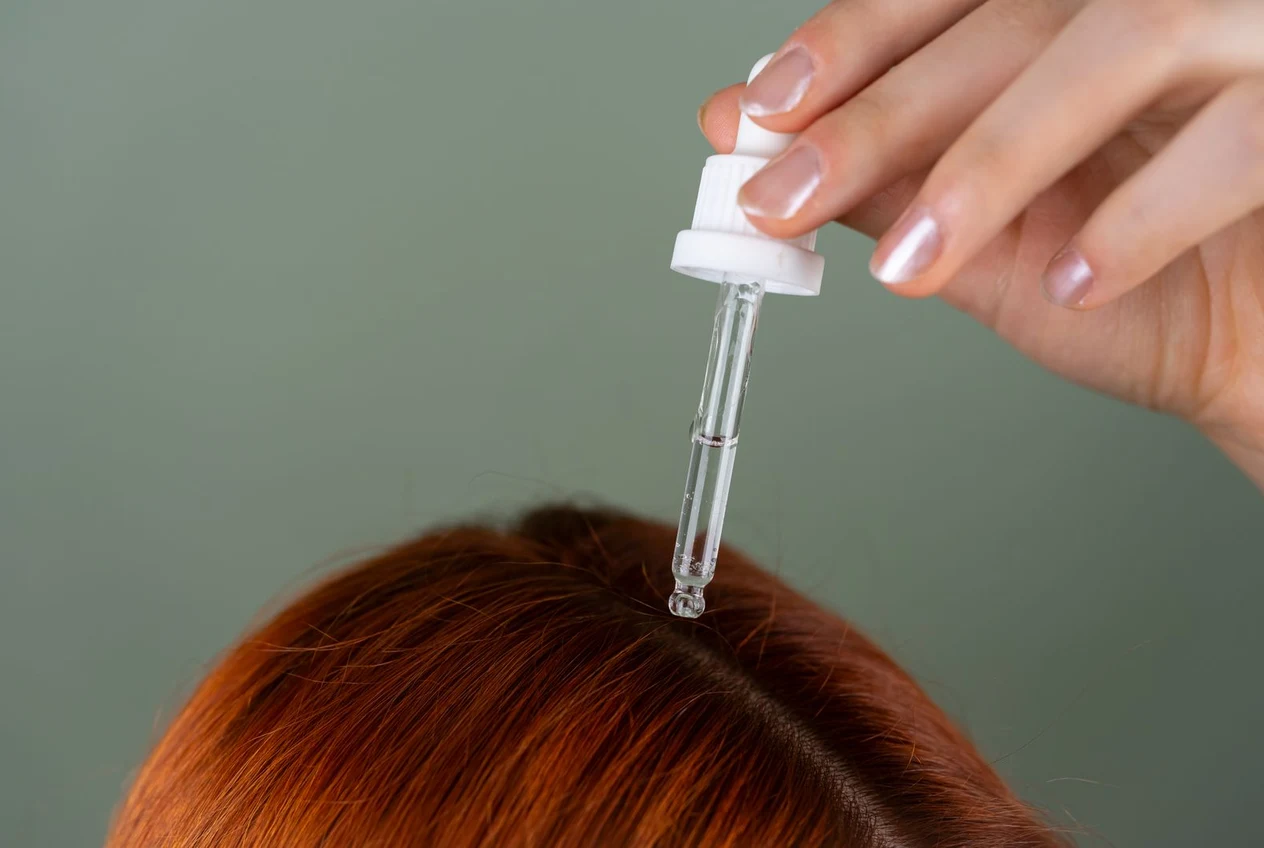
Medical treatment of the hair and skin. The doctor monitors the evolution of the hair and treats the possible skin complications. In some cases minoxidil and other treatments can be added to favor the regrowth of the hair when the pulling is controlled.
Will the hair grow back?
In most cases, yes. If the follicle has not suffered permanent damage, the hair usually grows back once the pulling disappears. When the behavior is maintained for many years, an irreversible destruction of some follicles and a localized scarring alopecia can occur.
What can you do in your daily life?
Learn to identify the situations that trigger the impulse, keep your nails short, use the strategies recommended by your therapist, do not blame yourself or feel ashamed of the disease, seek family support when possible and attend the medical and psychological check-ups regularly.
When should you consult?
You should consult if you observe irregular areas without hair, if you cannot control the impulse to pull out your hair, if the disease affects your daily life, if you present significant anxiety or sadness, if you ingest the pulled-out hair or if signs of infection appear on the skin. An early intervention significantly improves the prognosis.
Myths and facts
- Myth: Trichotillomania is a simple mania. Fact: No. It is a recognized disorder that requires understanding and treatment.
- Myth: The person can stop pulling out their hair if they really want to. Fact: The impulse is usually very difficult to control without specialized help.
- Myth: It is a contagious disease. Fact: No. It cannot be transmitted between people.
- Myth: It is always caused by serious psychological problems. Fact: Not necessarily. Each patient presents different circumstances.
- Myth: The hair will never grow back. Fact: In most cases the growth recovers when the pulling ceases and the follicle remains intact.
The essential points to remember
- Trichotillomania is an impulse-control disorder that causes the repeated pulling of the hair.
- It is not a contagious disease nor a simple habit.
- The diagnosis is based on the clinical history, the examination and trichoscopy.
- Cognitive-behavioral therapy is the first-choice treatment.
- In most cases the hair grows back when the pulling is controlled.
- A joint approach between skin medicine, psychology and psychiatry offers the best results.
Frequently asked questions
Is there a cure?
Many people manage to completely control the disease through specialized psychological treatment, although some may present relapses.
Is it frequent?
It is more frequent than people think and often remains hidden out of shame.
Does it affect only children?
No. It can appear in children, adolescents and adults.
Do I need medication?
Not always. Treatment depends on each case and cognitive-behavioral therapy is usually the first option.
Can the doctor help me?
Yes. The doctor confirms the diagnosis, monitors the recovery of the hair and coordinates the treatment with other specialists when necessary.
Will my hair grow back?
Yes, in most patients, as long as the follicle has not suffered irreversible damage.
Is it normal not to realize that I am pulling out my hair?
Yes. Some people perform the behavior in an automatic and unconscious way.
Does anxiety worsen the disease?
Yes. It can increase the frequency of the episodes.
What happens if I also eat the hair?
You should discuss it with your doctor, as trichophagia can produce a trichobezoar, a complication that requires medical evaluation.
Does it have a good prognosis?
Yes. With an early diagnosis, specialized therapy and adequate follow-up, many people manage to control the disorder and recover the growth of the hair.
Need personalised guidance?
This guide is for information only and does not replace a medical consultation. For an assessment tailored to your case, you may request a consultation.
Request a consultationTopics