Keloids
Causes, symptoms and treatments to control their growth

Keloids are raised scars that grow beyond the original wound and present a high tendency to reappear. Learn about their causes, symptoms and the available medical treatments, such as corticosteroid injections, silicone or laser, to improve their appearance and control their growth.
What are keloids?
Keloids are abnormal scars that grow excessively during the skin repair process.
Unlike hypertrophic scars, keloids exceed the limits of the original wound and can continue growing for months or even years.
They are benign lesions, but they can cause significant discomfort, such as itching, pain, tightness or sensitivity, in addition to an aesthetic concern.
Why do they appear?
Keloids are produced by an exaggerated healing response, with an excessive accumulation of collagen and other components of the scar tissue.
There is no single cause. Several factors are involved:
- Genetic predisposition.
- Type of skin.
- Age.
- Location of the lesion.
- Tension on the wound.
- Prolonged inflammation.
- Repeated traumas.
Who is at greater risk?
Keloids are more frequent in:
- Young people.
- People with a personal or family history.
- Medium and high phototypes.
- Patients who have already developed other keloids.
- Body areas subjected to tension.
They can appear after small wounds, surgeries, piercings, acne, burns, vaccines or traumas.
Where do they appear most frequently?
The most usual areas are:
- Chest.
- Shoulders.
- Upper part of the back.
- Neck.
- Jaw.
- Earlobes.
- Sternum area.
They are less frequent on the eyelids, palms and soles.
What do they look like?
Keloids usually present as raised, firm, shiny lesions, of a pink, reddish, brown or darker colour than the skin, with edges that extend beyond the original wound.
They can increase in size slowly and acquire an irregular shape.
What symptoms do they produce?
In addition to the visible growth, they can cause itching, pain, burning, hypersensitivity, tightness, discomfort on friction and functional limitation in certain areas.
Some keloids are completely asymptomatic.
What is the difference between a keloid and a hypertrophic scar?
Keloid. It extends beyond the original wound, can continue growing for years, has a higher risk of recurrence, presents a more marked genetic component and rarely improves spontaneously.
Hypertrophic scar. It remains within the limits of the wound, can decrease over time, usually responds better to treatment and has a lower tendency to reappear.
How is it diagnosed?
The diagnosis is usually clinical. During the consultation, the shape, the size, the colour, the location, the speed of growth, the symptoms, the history of trauma or surgery and the personal or family history of keloids are assessed.
In atypical cases it may be necessary to perform a biopsy to rule out other lesions.
What treatments exist?
The treatment must be individualised and, frequently, combine several techniques.
Corticosteroid injections. They are one of the first-choice treatments. They help reduce the thickness, decrease the itching and pain, soften the lesion and slow the growth. Several sessions are usually required.
Silicone. Silicone sheets or gels can help improve the thickness, the colour, the itching and the tightness. They are especially useful as a complement and in prevention.
Cryotherapy. Controlled cold can reduce the volume of some keloids, especially small ones. It can produce pigmentation changes, above all on dark skin.
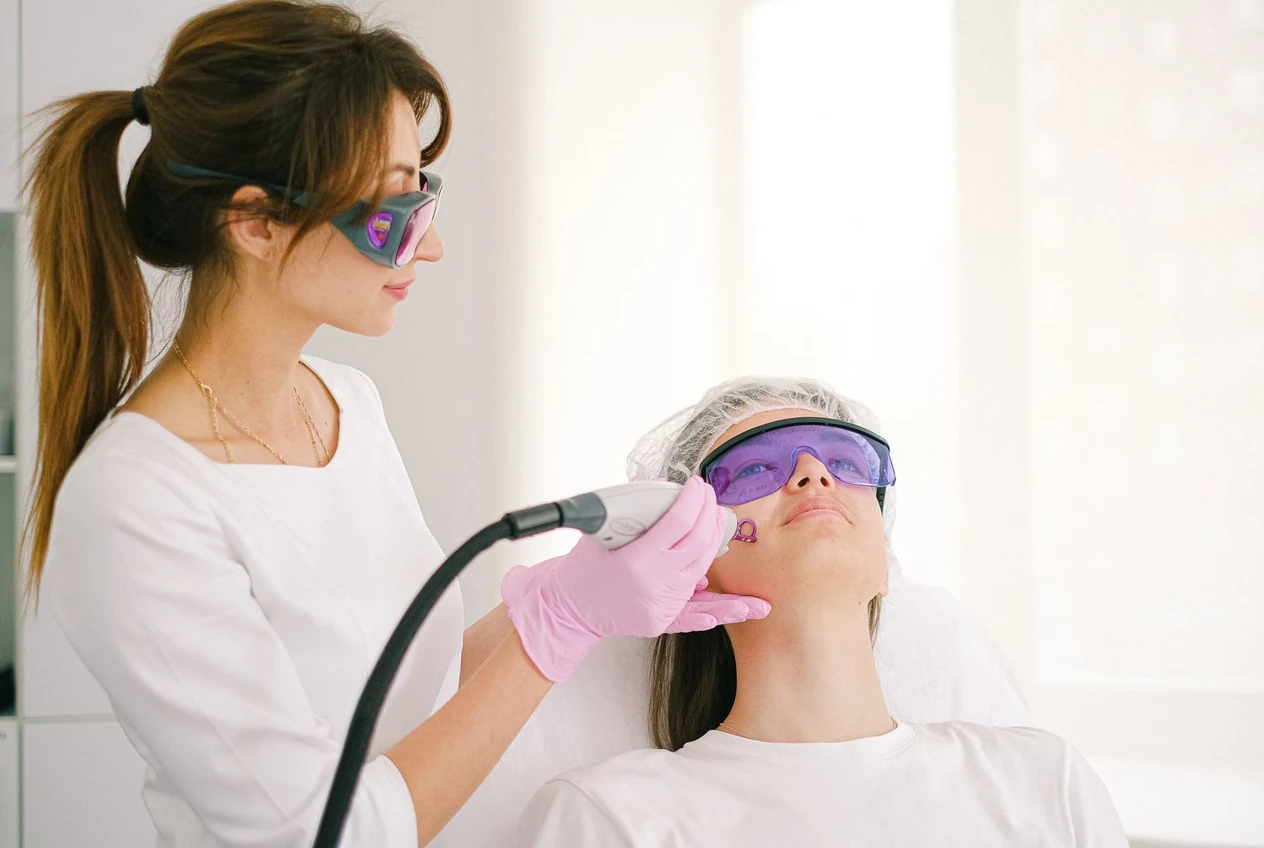
Vascular laser. It can improve the redness, the itching, the vascularisation and the superficial texture. It is usually used combined with other treatments.
Fractional laser. It can improve the texture and facilitate the penetration of medicines in certain cases.
Combined injections. In some patients, combinations of corticosteroids with other medicines are used to improve the response and decrease recurrences.
Surgery. Isolated surgical excision is usually not sufficient, since it presents a high risk of recurrence. When it is performed, it must be combined with complementary treatments, such as injections, silicone, pressure or other therapies.
Radiotherapy. In selected and recurrent cases, post-surgical radiotherapy may be considered. Its indication must be carefully evaluated by specialists.
What results can be expected?
The objectives of the treatment are to slow the growth, reduce the volume, improve the colour, decrease the itching and pain, improve mobility when there is limitation and achieve a flatter and less visible scar.
It is important to know that keloids are difficult to treat and can reappear.
Can they be prevented?
Prevention is fundamental in predisposed people. It is recommended to avoid unnecessary piercings, avoid non-essential surgeries in high-risk areas, treat wounds early, reduce the tension on the scar, use silicone when indicated and consult at the first signs of thickening.
When to consult?
It is advisable to consult when the scar exceeds the original wound, continues growing, produces pain or itching, appears after a piercing, surgery or trauma, you have already had other keloids or there are doubts about the diagnosis.
Myths and facts
- Myth: Keloids are a type of cancer. Fact: No. They are benign lesions produced by excessive healing.
- Myth: All keloids disappear on their own. Fact: No. Most persist and some continue growing.
- Myth: Surgery eliminates them definitively. Fact: Isolated surgery has a high risk of recurrence and must be combined with other therapies.
- Myth: They only appear after large wounds. Fact: They can also appear after small lesions, acne, vaccines or piercings.
- Myth: Creams can eliminate a large keloid. Fact: Topical products can help as a complement, but established keloids usually require medical treatments.
The essential points to remember
- Keloids grow beyond the limits of the original wound.
- They are benign lesions, but they can produce pain, itching and aesthetic discomfort.
- There is an important genetic predisposition.
- They have a high tendency to reappear.
- The combination of treatments is usually more effective than an isolated technique.
- Prevention is especially important in people with a history of keloids.
Frequently asked questions
Are keloids hereditary?
There is an important genetic predisposition.
Can they appear years after a wound?
Yes. Some begin to grow months after the trauma.
Are they painful?
They can be, although others only produce itching or mild discomfort.
Can they return after treatment?
Yes. Recurrence is frequent, especially if a single technique is used.
What is the best treatment?
There is no single ideal treatment. The combination of several techniques usually offers better results.
Can they be removed?
Yes, but surgery must be accompanied by preventive measures to reduce the risk of recurrence.
Can piercings cause keloids?
Yes, especially on the earlobe and the ear cartilage.
Does silicone work?
It can help, above all on recent lesions and as a complement to other treatments.
Can keloids limit movement?
Yes, when they are large or located over a joint.
When should treatment be started?
The sooner the abnormal growth is identified, the greater the chances of controlling it.
Need personalised guidance?
This guide is for information only and does not replace a medical consultation. For an assessment tailored to your case, you may request a consultation.
Request a consultation