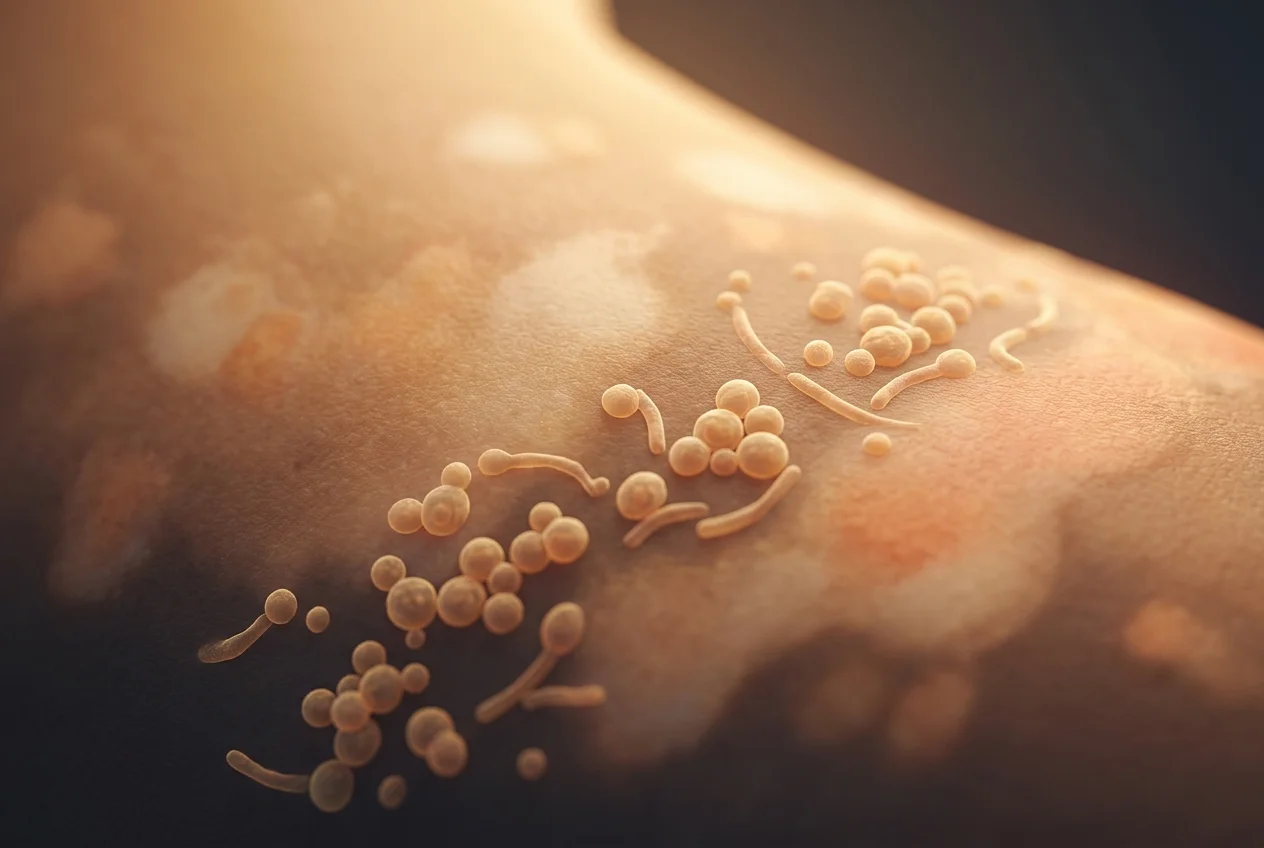
Hypertrophic scars
Causes, differences with keloids and treatments to improve their appearance

Hypertrophic scars are raised scars that remain within the original wound. Learn about their causes, how to differentiate them from keloids and the most effective treatments, such as silicone, corticosteroid injections or laser, to improve their thickness, texture and appearance.
What are hypertrophic scars?
Hypertrophic scars are scars that become thicker, raised and firmer than normal during the healing process.
Unlike keloids, hypertrophic scars remain within the limits of the original wound and, over time, many of them improve spontaneously.
They do not represent a health risk, although they can produce aesthetic discomfort, itching, pain or limit movement when they are located over a joint.
Why do they appear?
During normal healing, the body produces collagen to repair the skin.
In hypertrophic scars there is an excessive production of collagen for a certain time, which causes the scar to rise.
A single cause is not known, but several factors are involved.
What factors increase the risk?
Hypertrophic scars are more frequent when there are:
- Deep wounds.
- Burns.
- Surgeries with tension on the skin.
- Significant traumas.
- Wound infection.
- Slow healing.
- Young people.
- Areas subjected to continuous movement.
Where do they appear most frequently?
The most usual locations are:
- Shoulders.
- Back.
- Chest.
- Neck.
- Abdomen.
- Knees.
- Elbows.
- Surgical areas.
Over the joints they can partially hinder mobility.
What is the difference from a keloid?
It is important to distinguish both lesions.
Hypertrophic scar. It remains within the original wound, can improve over the years, responds better to treatment and has a lower tendency to reappear.
Keloid. It grows beyond the limits of the wound, can continue growing for years, presents a higher risk of recurrence and has an important genetic component.
What symptoms do they produce?
In addition to the visible relief, some people present itching, sensitivity, pain, redness, stiffness and a sensation of tightness.
On other occasions they only represent an aesthetic problem.
How are they diagnosed?
The diagnosis is clinical. During the examination, the doctor will assess the size, the thickness, the colour, the time of evolution, the location, the symptoms and the history of abnormal healing.
Complementary tests are generally not necessary.
What treatments exist?
The treatment depends on the age, the size and the symptoms of the scar.
Silicone sheets or gel. They constitute one of the first-choice treatments. They help decrease the thickness, reduce the redness, improve the texture and decrease the itching. They are usually used for several months.
Corticosteroid injections. Intralesional injections make it possible to progressively reduce the volume, the hardness, the itching and the pain. Several sessions are frequently necessary.
Vascular laser. It can improve the redness and some associated symptoms.
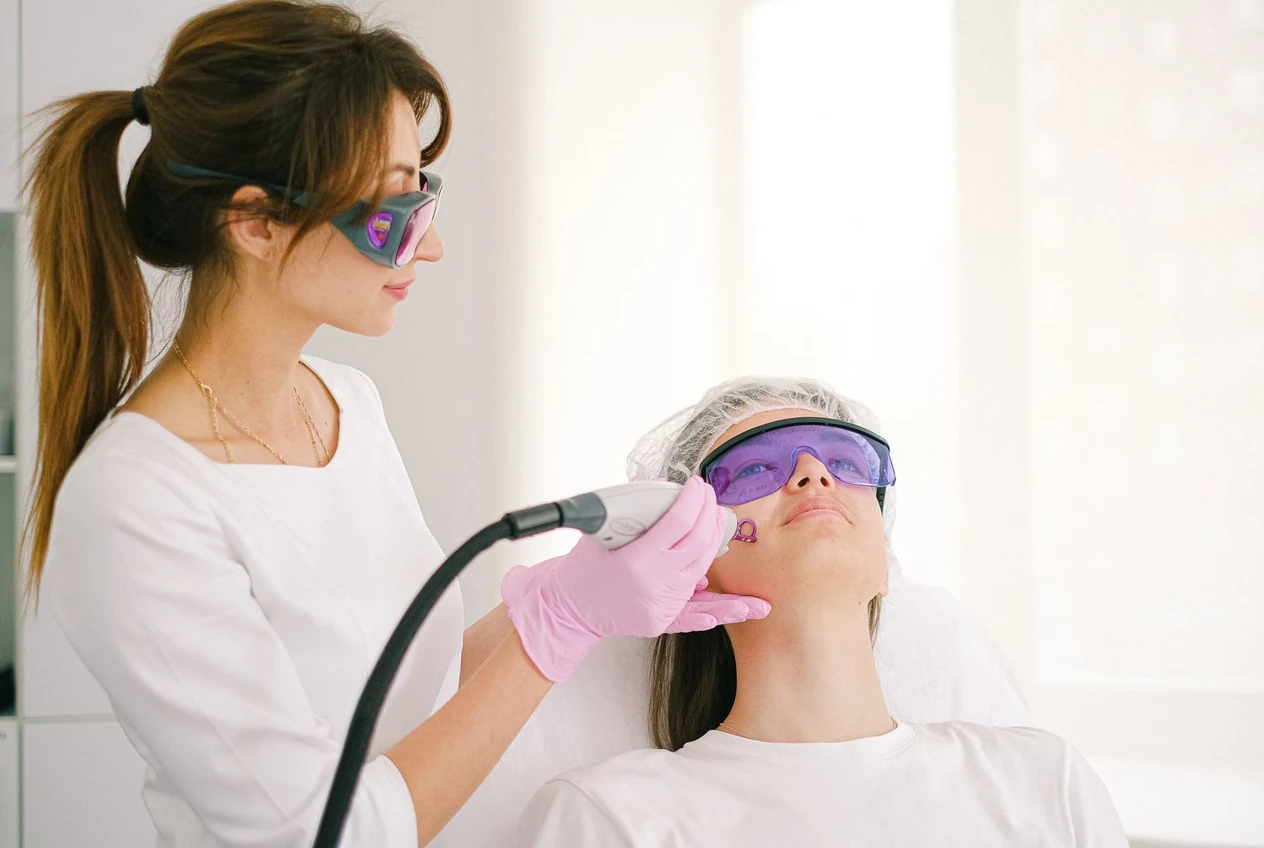
Fractional laser. It favours collagen remodelling and can improve the thickness, the elasticity, the texture and the overall appearance of the scar.
Pressotherapy and compression therapy. Especially useful in some extensive scars, above all after burns.
Surgery. In certain cases it may be necessary. However, when there is a high risk of recurrence, it is usually combined with other treatments to decrease the possibility of the scar growing again.
What results can be expected?
With the appropriate treatment, a decrease in thickness, a lesser relief, a better colour, greater elasticity, a decrease in itching and pain and a better aesthetic appearance are usually achieved.
The improvement is usually progressive.
Can they be prevented?
Yes, especially in people with a history of hypertrophic scarring. The preventive measures include the adequate closure of the wound, avoiding excessive tension on the scar, treating infections early, using silicone when indicated and protecting the scar from the sun through photoprotection.
When to consult?
It is advisable to consult when the scar increases in thickness, produces intense pain or itching, limits movement, continues growing several months after the injury or there are doubts about whether it is a keloid.
Myths and facts
- Myth: All raised scars are keloids. Fact: No. Most correspond to hypertrophic scars.
- Myth: Hypertrophic scars never improve. Fact: Many decrease in thickness over time, even without treatment.
- Myth: Creams completely eliminate these scars. Fact: Treatments help improve them, but rarely make them disappear completely.
- Myth: Surgery is always the best option. Fact: In many cases medical treatments are sufficient and, when operating, it is usually necessary to associate other therapies to reduce the risk of recurrence.
- Myth: Exposing the scar to the sun helps it disappear. Fact: Sun exposure can favour permanent changes of colour. It is advisable to use sun protection during the healing process.
The essential points to remember
- Hypertrophic scars remain within the limits of the original wound.
- They are produced by a temporary excess of collagen during healing.
- They must be differentiated from keloids, since their evolution and treatment are different.
- Silicone and corticosteroid injections constitute first-line treatments.
- Early treatment usually offers better results.
- Sun protection and medical follow-up favour higher-quality healing.
Frequently asked questions
Do hypertrophic scars disappear on their own?
Many improve progressively over one or two years, although some require treatment.
What is the most effective treatment?
It depends on each case. Silicone and corticosteroid injections are two of the options with the greatest scientific support.
Are they hereditary?
There is a certain individual predisposition, although much lower than in keloids.
Can they reappear after treatment?
Yes, although the risk of recurrence is lower than that of keloids.
Can the laser help?
Yes. Some types of laser improve the colour, the texture and the thickness of the scar.
Do recent scars respond better?
Yes. Early treatment usually offers better results.
Is it normal for them to itch?
Yes. Itching is a frequent symptom during the healing phase.
Can they limit movement?
Yes. When they are located over a joint they can cause stiffness and partially limit mobility.
How long does a scar take to mature?
Usually between 12 and 18 months, although it can vary according to each person.
When should I consult?
If the scar continues growing, produces significant discomfort or you have doubts about its evolution.
Need personalised guidance?
This guide is for information only and does not replace a medical consultation. For an assessment tailored to your case, you may request a consultation.
Request a consultation