Stretch marks
Causes, prevention and treatments to improve their appearance
Stretch marks are small scars produced by the rapid stretching of the skin. Discover why they appear, how to prevent them and what medical treatments, such as microneedling and fractional lasers, help improve their appearance safely and naturally.
What are stretch marks?
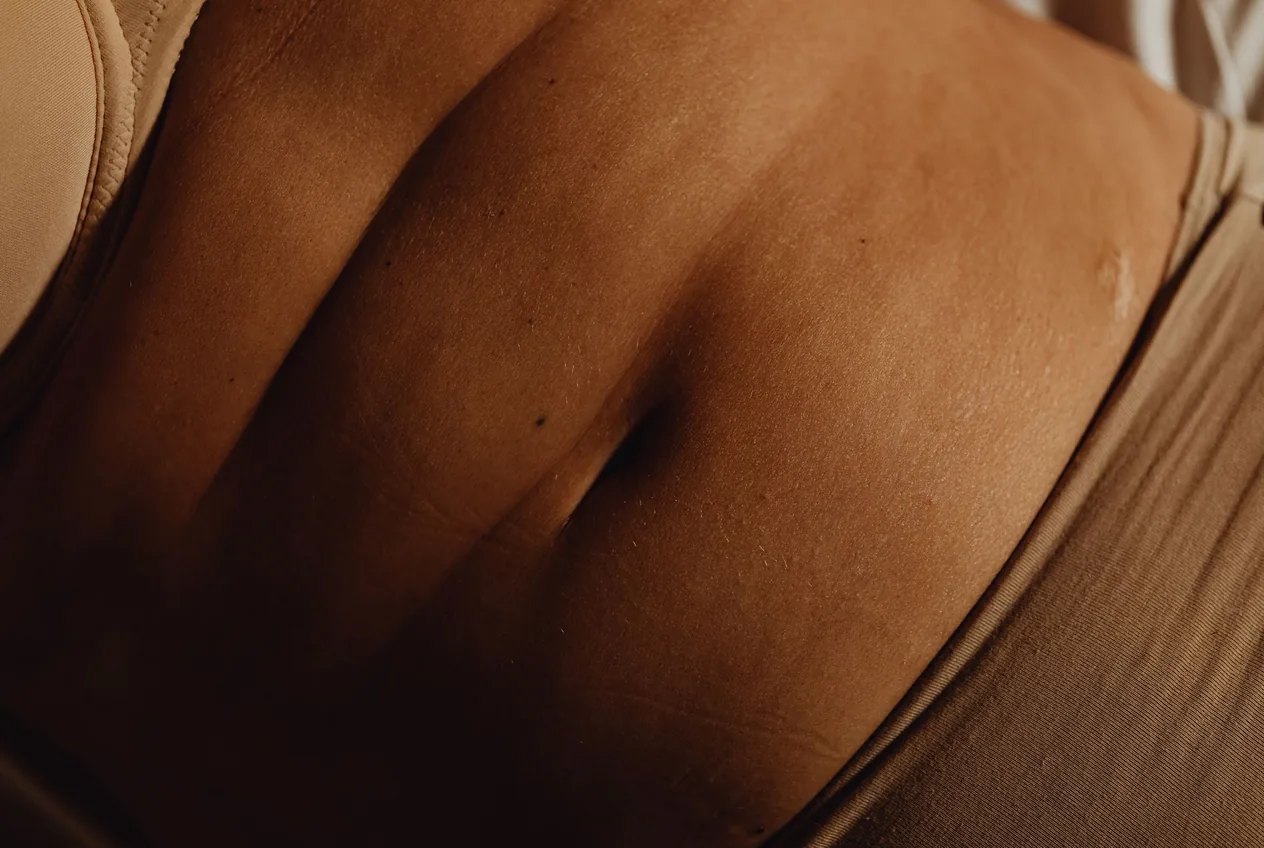
Stretch marks are small scars that appear when the skin stretches rapidly and the collagen and elastin fibres of the dermis partially break.
They are a very frequent and completely benign alteration. They can affect both women and men and appear at any stage of life.
Although they do not represent a health problem, many people consult because of the aesthetic impact they produce.
There are currently treatments that make it possible to improve their appearance, although it is not possible to eliminate them completely.
Why do they appear?
Stretch marks develop when the skin stretches faster than it can adapt. The most frequent factors are:
- Rapid growth during adolescence.
- Pregnancy.
- Significant weight gain.
- Rapid weight loss.
- Intense development of the musculature.
- Prolonged treatments with corticosteroids.
- Some endocrine diseases, such as Cushing's syndrome.
- Genetic predisposition.
Not all people develop stretch marks under the same circumstances, since there is an important hereditary component.
How do they evolve?
Stretch marks change in appearance over time.
Red stretch marks (striae rubrae). They correspond to the initial phase. They are characterised by a red or purplish colour, slight relief and a better response to treatments.
White stretch marks (striae albae). With the passage of months or years, the stretch marks become white or pearly, thinner and slightly depressed. They represent an already established scar and are more difficult to treat.
Where do they appear most frequently?
The most usual locations are:
- Abdomen.
- Hips.
- Thighs.
- Buttocks.
- Chest.
- Arms.
- Lumbar area.
In men they are also frequent on the shoulders and back after a significant increase in muscle mass.
Who is at greater risk?
The risk increases in people with a family history, rapid weight changes, pregnancy, puberty, treatments with corticosteroids or accelerated growth.
How are they diagnosed?
The diagnosis is clinical. During the consultation, the age, the colour, the location, the width, the depth, the quality of the skin and the possible triggering causes are assessed.
In some cases additional studies may be requested if a hormonal disease is suspected.
What treatments exist?
The treatment depends on the type of stretch mark and its age. Recent stretch marks respond better than old ones.
Topical retinoids. In certain people they can favour the production of collagen in recent stretch marks. They must not be used during pregnancy.
Microneedling. The microneedles stimulate the formation of new collagen and progressively improve the texture, the width and the appearance of the stretch marks. It is one of the most used treatments.
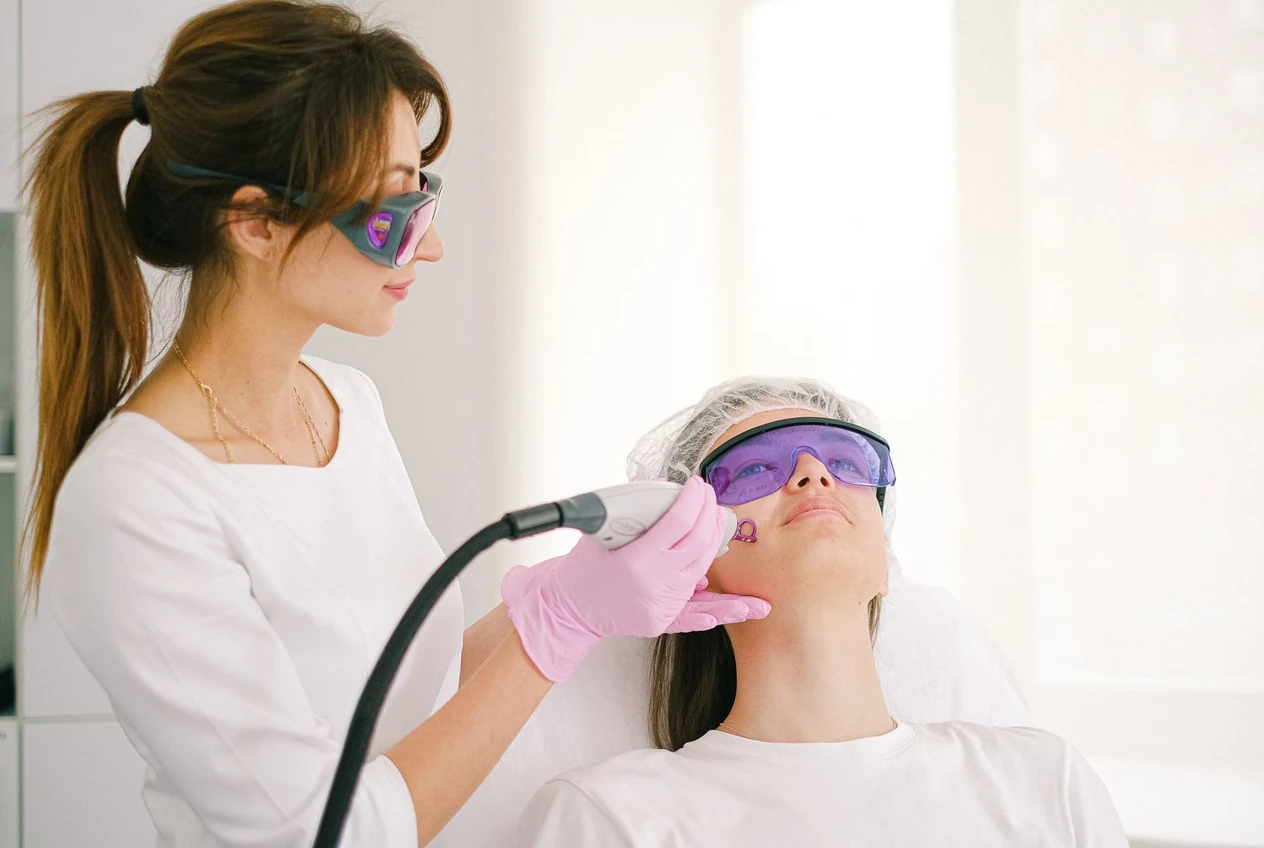
Fractional lasers. Fractional lasers, such as CO₂ or some non-ablative lasers, stimulate collagen remodelling and improve the appearance of stretch marks. Several sessions are usually required.
Microneedling radiofrequency. It can stimulate the production of collagen and improve the quality of the skin in selected patients.
Biostimulation. Collagen biostimulators can complement other treatments by favouring tissue regeneration.
PRP (Platelet-Rich Plasma). In some cases it can be used as a complementary treatment to favour skin repair.
What results can be expected?
The objective of the treatment is to reduce visibility, improve texture, reduce width, match the colour with the surrounding skin and achieve more uniform skin.
The improvement is usually progressive and depends on the type of stretch mark.
Can they be prevented?
Not always. However, some measures can reduce the risk: maintaining a stable weight, avoiding abrupt weight gains and losses, maintaining good skin hydration, following a balanced diet, adequately controlling hormonal diseases and using corticosteroids only under medical supervision.
During pregnancy, preventive measures may be recommended, although none guarantees to completely avoid stretch marks.
When to consult?
It is advisable to consult when the stretch marks appear very rapidly, are very extensive, are accompanied by other hormonal symptoms, you want to improve their appearance or you have doubts about the most appropriate treatment.
Myths and facts
- Myth: Creams eliminate stretch marks. Fact: Creams can improve hydration and, in some cases, recent stretch marks, but they do not eliminate established stretch marks.
- Myth: Stretch marks appear only during pregnancy. Fact: They are also frequent during adolescence, rapid growth and significant weight changes.
- Myth: Drinking a lot of water prevents stretch marks. Fact: Maintaining good hydration is healthy, but it does not by itself prevent the appearance of stretch marks.
- Myth: Stretch marks disappear over time. Fact: Over the years they usually become less visible, but they remain as permanent scars.
- Myth: Only women have stretch marks. Fact: Men can also develop them, especially during growth or the increase in muscle mass.
The essential points to remember
- Stretch marks are small scars produced by the rapid stretching of the skin.
- Red stretch marks respond better to treatment than white ones.
- They cannot be eliminated completely, but they can improve significantly.
- Microneedling and fractional lasers are among the most effective treatments.
- Maintaining a stable weight can help reduce the risk of appearance.
- Early treatment offers better results.
Frequently asked questions
Are stretch marks a disease?
No. They are a benign alteration of the skin.
Do red stretch marks have a better treatment?
Yes. Recent stretch marks usually respond better than white ones.
Can they disappear completely?
No. The objective is to improve their appearance, not to eliminate them completely.
Does the laser work?
Yes. It is one of the treatments with the best results when it is correctly indicated.
How many sessions are usually needed?
It depends on the number, the depth and the age of the stretch marks. Several sessions are usually necessary.
Can stretch marks reappear?
Those already treated do not reappear, but new stretch marks can develop if the triggering factors persist.
Does pregnancy always produce stretch marks?
No. Many women do not develop any.
Does physical exercise produce stretch marks?
Only when there is a very rapid increase in muscle mass or significant changes in body volume.
Is the treatment painful?
Most procedures are performed with topical anaesthesia to reduce discomfort.
When is it best to start the treatment?
As soon as possible, especially when the stretch marks are still red.
Need personalised guidance?
This guide is for information only and does not replace a medical consultation. For an assessment tailored to your case, you may request a consultation.
Request a consultation