6 min read
Nutrition and longevity: eating to live longer and better
By Clínica Valorian
How nutrition influences longevity, which foods protect your cells, and why the Mediterranean diet adds years of healthy life.
Key points
- Nutrition directly influences cellular ageing through inflammation, glucose levels, and telomere protection.
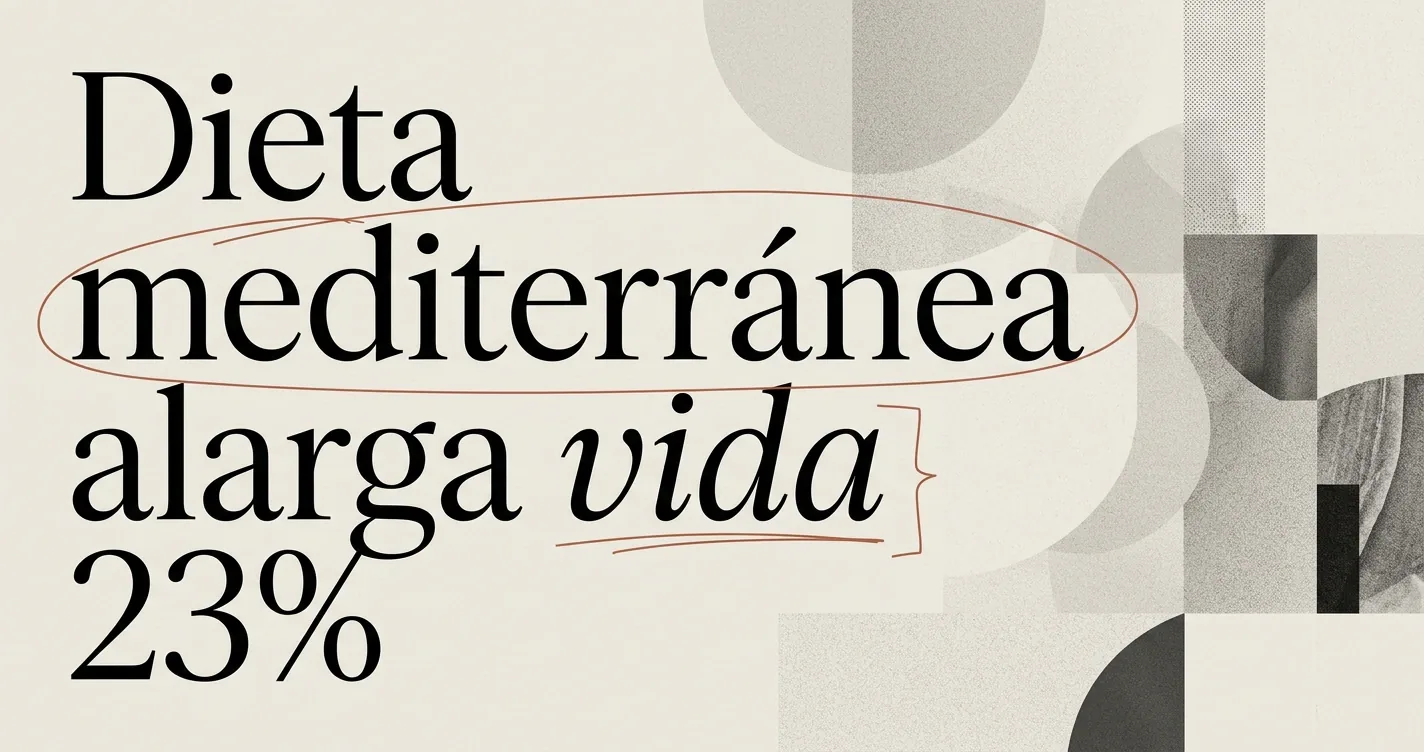
- The Mediterranean diet is associated with 23% lower premature mortality in women with high adherence, according to Harvard T.H. Chan.
- Women with a Mediterranean dietary pattern were 46% more likely to reach the age of 70 without chronic disease.
- The most harmful mistakes are excessive consumption of ultra-processed foods, added sugar, and alcohol — not the absence of any specific superfood.
- A sustainable plan is built around real food — vegetables, legumes, fish, and extra virgin olive oil — eaten on most days.
What you put on your plate every day is one of the factors that most influences how many years you live and, above all, how you live them. The relationship between diet and longevity does not depend on a miracle supplement, but on a sustained pattern that reduces inflammation, protects your cells and keeps your blood sugar and weight stable.
In practice, this looks very much like the Mediterranean diet that surrounds those of us living on the Costa del Sol: vegetables, legumes, fish, nuts and extra virgin olive oil. In this article you will see how food acts on cellular ageing, which foods add years of healthy life, which mistakes take them away, and how to build a plan you can maintain for decades.
Diet and longevity: how nutrition influences cellular ageing
Ageing is not just the passage of time on a calendar. At a biological level, your cells accumulate damage from chronic inflammation, oxidative stress and repeated blood sugar spikes. Diet regulates all three mechanisms every day, making each meal a small decision about the rate at which you age.
A useful marker for understanding this is telomeres — the protective ends of chromosomes that shorten with age and with cellular damage. In a study reported by the Harvard T.H. Chan School of Public Health involving 4,676 women, greater adherence to the Mediterranean diet was associated with longer telomeres, an indicator of reduced cellular ageing.
Low-grade inflammation is the other key player. A diet high in added sugars and ultra-processed foods keeps the body in a constant state of inflammation that wears down tissues and blood vessels. By contrast, vegetables, oily fish and olive oil provide antioxidants and anti-inflammatory fats that slow that deterioration. This area connects with a broader field — that of longevity medicine — which studies how to extend years of life in good health.
Foods associated with greater longevity and lower inflammation
There is no single superfood that extends life. What makes the difference is a combination of foods that, eaten on most days, reduce inflammation and provide nutritional density. These are the groups with the strongest evidence:
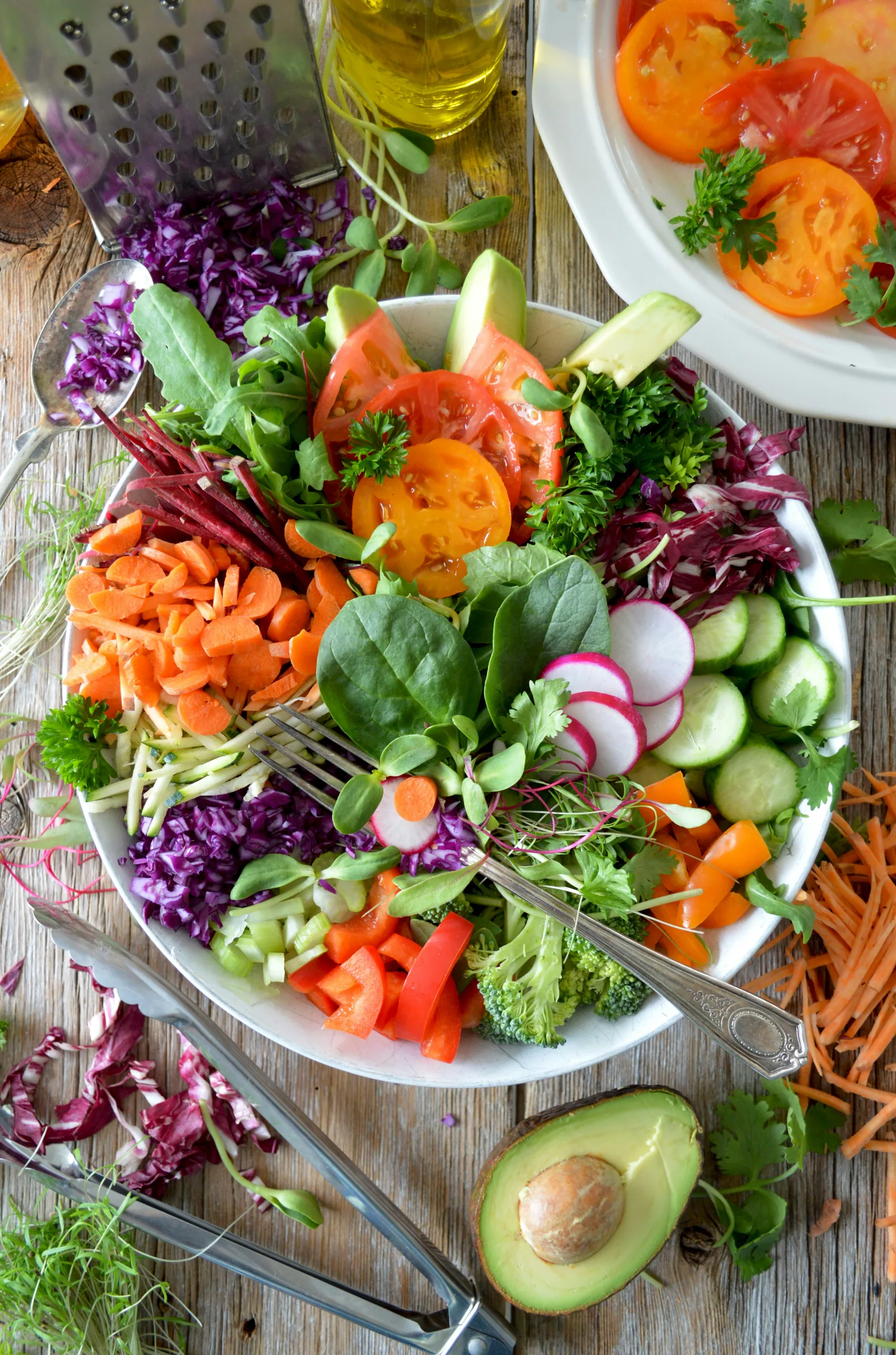
- Vegetables of all colours: the main source of fibre, vitamins and antioxidant polyphenols.
- Legumes: plant protein, fibre and satiety, with a very low impact on blood glucose.
- Oily fish (sardines, mackerel, anchovies): omega-3 with a direct anti-inflammatory effect.
- Unsalted, unroasted nuts: healthy fats associated with better cardiovascular health.
- Extra virgin olive oil: the central fat of the Mediterranean diet and the foundation of many of its benefits.
- Whole fruit: sugars accompanied by fibre and antioxidants, very different from free sugar.
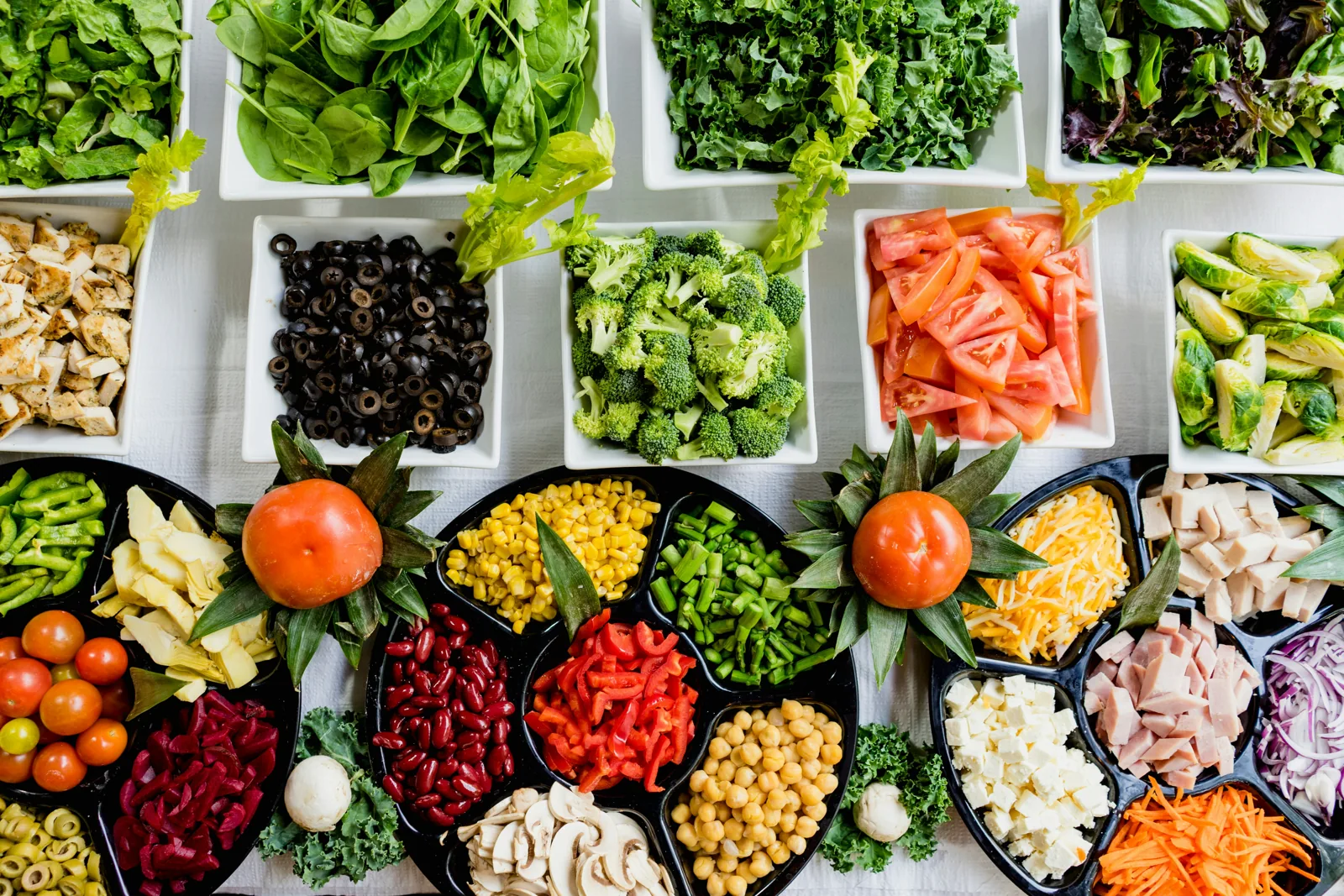
The power of these foods lies in their combination, not in consuming them in isolation. The complete Mediterranean pattern delivers more than any of its individual components, because its antioxidant and anti-inflammatory effects are cumulative. To that foundation it is worth adding a good base of micronutrients, including vitamin D, a deficiency of which is common even in sun-drenched areas such as the Costa del Sol.
The role of the Mediterranean diet on the Costa del Sol
Living in Marbella and its surroundings offers an advantage not everyone has: the Mediterranean diet is part of everyday life here. Fresh fish, seasonal vegetables and olive oil are close at hand, making it easy to build a protective dietary pattern without resorting to anything exotic or expensive.
The figures support the tradition. According to the Harvard T.H. Chan School of Public Health, women with the highest adherence to the Mediterranean diet had a 23% lower risk of premature mortality and a 24% lower risk of cardiovascular disease compared with those with the lowest adherence, in a meta-analysis of more than 22,000 participants followed for 12.5 years. In the Nurses' Health Study, women following a Mediterranean pattern were 46% more likely to reach the age of 70 or older without chronic disease.
This pattern is also visible on the outside. Skin ages with inflammation and oxidative damage, so what you eat complements dermatological care and aesthetic medicine treatments. Diet does not replace a treatment, but it does improve the foundation on which that treatment works.
Nutritional mistakes that accelerate ageing
Just as important as adding beneficial foods is reducing those that push in the opposite direction. Many people with a reasonable base of whole foods still age faster because of a few repeated habits. The most significant are:
- Excess ultra-processed foods: pastries, snacks, ready meals and sugary drinks load the body with sugar, salt and poor-quality fats.
- Free sugar every day: repeated blood glucose spikes promote inflammation and glycation, a process that damages collagen and the skin.
- Frequent alcohol consumption: although socially normalised, habitual intake is associated with cellular damage and several types of cancer.
- Too much processed meat: cold cuts and cured meats have an unfavourable inflammatory profile when consumed regularly.
- Eating without set times or digestive rest: continuous snacking keeps the body working without a break.
The key lies in frequency, not in absolutely forbidding foods. A single ultra-processed meal does not define your health, but the sum of small daily decisions over years does. Reducing these mistakes tends to have more impact than any new addition to your diet.
How to Build a Sustainable Eating Plan
The best plan is the one you can stick to when motivation fades. The evidence on longevity rewards adherence over the years, not strict diets lasting a few weeks. That is why it is worth designing something realistic, tailored to your routine, your tastes, and your lifestyle on the Costa del Sol.
A simple structure that works:
- Fill half your plate with vegetables at lunch and dinner, raw or cooked.
- Choose quality protein: legumes, fish, eggs and, in moderation, unprocessed meat.
- Use extra virgin olive oil as your main fat, both raw and for cooking.
- Reserve ultra-processed foods and alcohol for occasional moments, not for everyday use.
- Drink water as your default beverage and keep reasonable mealtimes.
Personalisation is key, because age, sex, hormonal status and blood test results change what each person needs. A preventive medical check-up makes it possible to adjust the plan to real data, from glucose levels to inflammation markers. If you want to take the step of turning these ideas into a plan tailored to your situation, at Clínica Valorian Dr. Florian A. Vallecillo Cabrera addresses nutrition within an evidence-based medicine and longevity framework. Request an assessment and start by measuring where you are today so you know what to change first.
Frequently asked questions
What is the relationship between nutrition and longevity?
What you eat regulates inflammation, glucose levels, and oxidative stress — three factors that set the pace of cellular ageing. A pattern based on real food is associated with less chronic disease and a longer healthy life expectancy.
Why is the Mediterranean diet considered good for living longer?
It combines an abundance of vegetables, legumes, fish, nuts, and extra virgin olive oil — a combination rich in antioxidants and healthy fats. Harvard studies link it to lower mortality and a greater likelihood of ageing without chronic disease.
Which foods accelerate ageing?
Ultra-processed foods, sugary drinks, cured meats and excess alcohol promote inflammation and cellular damage. Reducing how often you consume them has more impact than adding a single superfood to your diet.
Do you need to eat perfectly to notice the benefits?
No. Sustained adherence over the years matters more than occasional perfection. Improving most of your meals — not all of them — is already enough to shift your health in the right direction.