
6 min read
Melasma: causes and treatments for dark spots
By Clínica Valorian

Melasma causes dark spots on the face due to sun exposure and hormones. Discover its causes and the medical treatments that actually work.
Key points
- Melasma is a chronic hyperpigmentation condition that appears mainly on the face, affects women far more frequently, and worsens with sun exposure.
- Hormones and ultraviolet radiation are the two main triggers, which is why melasma is common during pregnancy and in sunny climates.
- Medical treatment combines depigmenting agents, chemical peels and, in selected cases, laser therapy — always guided by a doctor.
- Daily sun protection is the foundation of success: without it, any treatment will relapse.
- Melasma tends to recur, so long-term management matters just as much as the initial improvement.
Melasma consists of dark spots — brown or greyish in colour — that appear mainly on the face when sun exposure and hormones overstimulate melanin production. It is one of the most common causes of skin pigmentation, affects women far more frequently than men, and responds well to medical treatment when combined with strict photoprotection.
On the Costa del Sol we see melasma frequently, because intense solar radiation that persists for almost the entire year is one of its main drivers. Understanding why it appears helps us treat it more effectively and, above all, helps prevent it from returning.
What melasma is and why it is common in sunny climates
Melasma is an acquired, chronic form of hyperpigmentation that presents as symmetrical patches on sun-exposed areas — mainly the cheeks, forehead, upper lip and chin. It occurs when melanocytes, the cells that produce pigment, become overactive and deposit melanin unevenly.
Ultraviolet light is the most direct trigger. In very sunny regions such as southern Spain, year-round cumulative exposure keeps those melanocytes persistently activated, which is why melasma is more visible and harder to control than in cloudy climates. Visible light — the light we can see with the naked eye — also plays a role, something many patients are unaware of.
It is important to distinguish melasma from other types of skin pigmentation. The age spots typical of skin ageing, freckles, and the marks left by a blemish are all different conditions. That is why the first step is always an accurate diagnosis: treating melasma as though it were something else usually ends in frustration.
Within melasma itself there are variants. Depending on the depth of the pigment, we speak of epidermal melasma — more superficial and more responsive to treatment — and dermal or mixed melasma, where the pigment sits deeper and the prognosis is more challenging. This distinction is not mere medical jargon: it determines which treatments make sense and what expectations are realistic. That is why a professional assessment, often using Wood's lamp or dermoscopy, provides far better guidance than any remedy purchased on one's own.
Hormonal and solar factors that trigger it
There are two main triggers of melasma: hormones and the sun. Hormones explain why it predominantly affects women and why it appears so frequently during pregnancy — to the extent that this pattern is commonly known as the mask of pregnancy (American Academy of Dermatology). Oral contraceptives and hormone therapy can have the same effect.
Oestrogen and progesterone stimulate melanocytes, which become more reactive to light. When solar radiation from a climate like Marbella's is added to that hormonal environment, the result is patches that appear easily and are resistant to fading.
Other contributing factors include skin phototype, genetic components, and certain photosensitising cosmetics or medications. People with medium to dark skin tones are more prone to developing it, and in fact the treatment of melasma is one of the most common reasons for dermatology consultations in higher phototype skins. Heat also appears to play a role — something particularly relevant during long, warm summers.
Effective medical treatments: depigmenting agents, peels and laser
The treatment of melasma is medical and stepwise. It begins with topical depigmenting agents, progresses to chemical peels when needed, and reserves laser for very specific cases. There is no single shortcut: improvement comes from combining tools and monitoring each skin's response.
Depigmenting agents are the first line of treatment. Formulations containing active ingredients such as hydroquinone, azelaic acid, kojic acid, vitamin C or retinoids reduce pigment production. They are effective, but require medical guidance, because when used without supervision they can irritate the skin and, paradoxically, darken it further. If you opt for an over-the-counter product, it is advisable not to continue it for more than three to six months without a professional assessment.
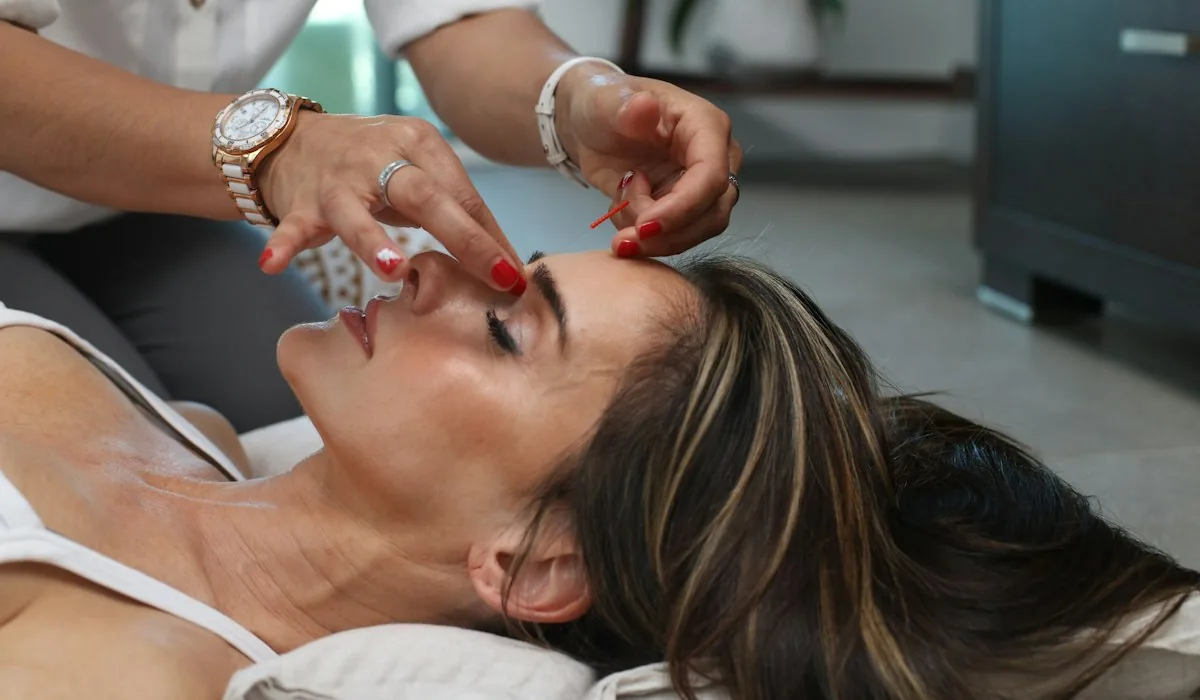
Superficial and medium-depth chemical peels help to renew the outer skin layer and enhance the effect of depigmenting agents. Laser and pulsed light can have their place, but they are a double-edged sword: when poorly indicated, they worsen pigmentation. For this reason, they must be assessed with caution as part of a comprehensive plan.
At Clínica Valorian we approach melasma with medical criteria and in a personalised way, adjusting depigmenting agents, peels and, where appropriate, technology — always under the supervision of Dr Florian A. Vallecillo Cabrera. Before starting, it is helpful to know when to see a doctor and what to expect from the consultation.
Why sun protection is the foundation of success
Without sun protection, no melasma treatment works in the long term. Ultraviolet radiation and visible light reactivate melanocytes day after day, so applying depigmenting agents without protecting yourself from the sun is like bailing out a boat with a leaky bucket.
The practical recommendation is a broad-spectrum sunscreen with a high factor, applied every morning and reapplied throughout the day when there is sun exposure. In the case of melasma, tinted filters or those containing iron oxide offer an added advantage, as they also block part of the visible light that clear sunscreens allow through. A hat, sunglasses and shade complete the protection.
Living on the Costa del Sol demands a special discipline when it comes to sun exposure. We have gathered the key points in our sun protection guide for the Costa del Sol, a habit that, when maintained consistently, makes the difference between fading dark spots and watching them return every summer.
How to prevent relapses and maintain long-term results
Melasma is a chronic condition that tends to recur, which is why maintaining results matters just as much as achieving them. The key lies in staying vigilant with photoprotection and following a maintenance routine tailored to each time of year.
Once the spots have faded, the doctor typically reduces the intensity of the active treatment and moves to a gentler maintenance regimen, reinforcing it during the sunniest months. Reviewing skincare habits, avoiding skin irritation, and assessing the role of hormones are all part of that long-term management.
It also helps to have realistic expectations. Melasma does not disappear overnight, and results are measured in months, not weeks. Any aggressive procedure that promises to erase it quickly tends to do more harm than good, because the inflammation it triggers can actually stimulate even more pigment production. Patience, combined with a medical plan and consistent sun protection, is the strategy that works best for skin prone to pigmentation.
Consistency is what separates a good result from a relapse. If you notice your spots are darkening again, the time to act is as soon as possible: request an assessment at Clínica Valorian to adjust your plan before the melasma becomes established once more.
Frequently asked questions
Can melasma be completely cured?
Melasma is a chronic condition that is managed rather than cured. With medical treatment and consistent sun protection, the spots can fade significantly, but they may return if care is abandoned or sun exposure increases.
Why did I develop melasma during pregnancy?
The hormonal changes of pregnancy stimulate melanin production. This is why melasma is sometimes called the mask of pregnancy. In many women it improves after childbirth, although in some cases it persists.
Does sunscreen help with melasma?
Yes, it is essential. Ultraviolet radiation and visible light reactivate pigmentation, so a broad-spectrum sunscreen applied daily is the foundation of any effective treatment.
Does laser remove melasma?
Laser treatment can help in selected cases, but it is not the first-line option and, when poorly indicated, it can worsen pigmentation. A doctor should assess it as part of a plan that includes depigmenting agents and photoprotection.